Phrurotimpus
phrurotimpus
Der Phrurotimpus ist eine kleine Spinne, die für ihre einzigartigen und farbenfrohen Muster bekannt ist. Sie spinnt gerne komplizierte Netze, die winzige Insekten als Nahrung fangen können!
Lebensraum: Gärten, Wälder und Graslandschaften
Der Phrurotimpus ist eine kleine, schnelle Spinne mit einem schlanken, oft gelblich-braunen Körper und relativ langen, zarten Beinen. Einige Arten imitieren Ameisen visuell, wodurch sie nicht wie typische netzbauende Spinnen aussehen.
Kategorie
InvertebrateSeltenheit
Common
Gefahr
0/5 · Keine bekannte Gefahr
Snaps
Mach den ersten Snap!
Anstatt klebrige Netze zu spinnen, jagen sie ihre Insektenmahlzeiten, indem sie ihnen nachlaufen und ihre Geschwindigkeit zur Schau stellen.
Viele Phrurotimpus-Spinnen geben vor, Ameisen zu sein, indem sie nur auf sechs Beinen laufen, um wie eine auszusehen!
Ihre Augen sind normalerweise in zwei Reihen angeordnet, was ihnen hilft, selbst die kleinste sich bewegende Beute zu entdecken.
Diese winzigen Jäger fertigen oft einen gemütlichen seidenen Schlafsack an, der unter Blättern oder Rinde versteckt ist.
Phrurotimpus kann mit überraschender Schnelligkeit sprinten, wodurch sie kleine Insekten am Boden aktiv jagen und fangen können.
Phrurotimpus erstellt kleine, seidene Säcke an versteckten Orten, die ihnen helfen, sicher zu ruhen, sich zu häuten oder ihre Eier zu bewachen.
Diese winzigen Raubtiere ernähren sich von kleinen Insekten und anderen Gliederfüßern und halten so die Populationen im Gleichgewicht.
Aphis gossypii
Ernährt sich von diesem häufigen Ernteschädling.
Formica fusca
Jagt kleinere Ameisen in ihrem Lebensraum.
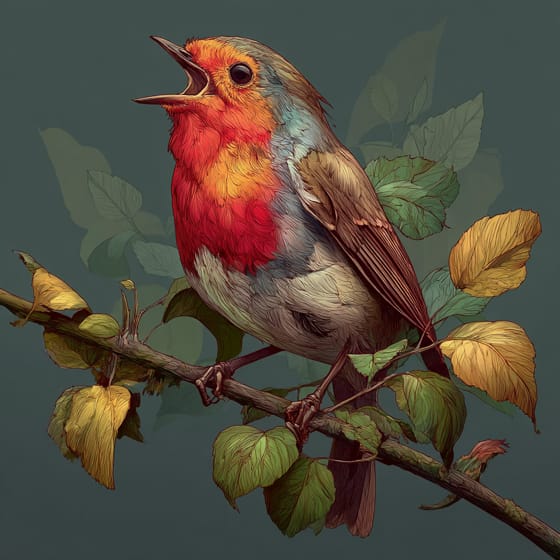
Turdus migratorius
Ein häufiger Vogelprädator von Spinnen.
Anoplius americanus
Zielt speziell auf Spinnen ab, um sie zu lähmen und Eier auf sie zu legen.
Einzelgänger leben den größten Teil ihres Lebens allein und interagieren mit Artgenossen nur zur Paarung oder zur Aufzucht der Jungen.
Baumbewohnende Tiere leben hauptsächlich in Bäumen und nutzen diese als Unterschlupf, Nahrungsquelle und zum Schutz vor Raubtieren.
Farbenfroh beschreibt Organismen oder Objekte, die eine große Vielfalt an leuchtenden und deutlich erkennbaren Farben aufweisen.
Dieses Merkmal kennzeichnet Organismen, deren Ernährung vollständig oder hauptsächlich aus tierischem Gewebe besteht.

Nachtaktive Tiere sind hauptsächlich in den Nachtstunden aktiv und ruhen oder schlafen normalerweise tagsüber.
Gefahr
0/5 · Keine bekannte Gefahr
Beobachten Sie Spinnen immer aus der Ferne und berühren Sie sie niemals.
Der einfachste Weg, Phrurotimpus zu bestimmen, ist die Verwendung der Naturführer-App Snappit.
2-5
5-10
Diese winzigen Raubtiere ernähren sich von kleinen Insekten und anderen Gliederfüßern und halten so die Populationen im Gleichgewicht.
Gärten, Wälder und Graslandschaften
Verfolgung
8
Zoome hinein, um Cluster aufzulösen und zu sehen, wo dieses Objekt fotografiert wurde.
Neueste Snaps erscheinen hier, wenn neue Beobachtungen hinzukommen.
Nimm die Entdeckung mit
Fotografiere deinen Fund mit Snappit, bestimme die Art und füge die Entdeckung deiner Sammlung hinzu.