





Sundheimer
Sundheimer
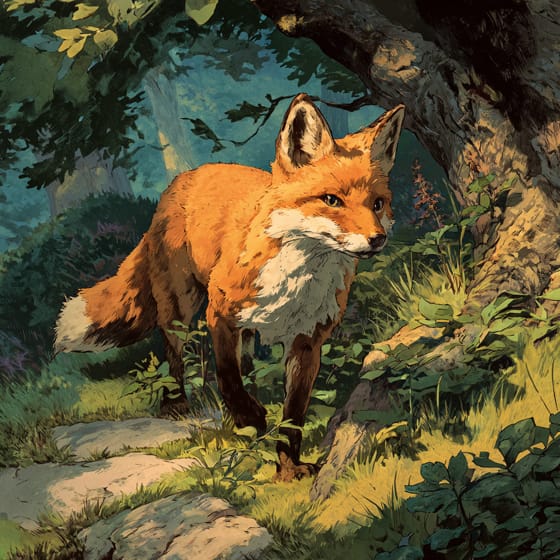
Der Sundheimer ist ein verspieltes Säugetier, das für seine leuchtenden Farben und neugierige Natur bekannt ist. Er liebt es, seine Umgebung zu erkunden und wird oft beim Herumhüpfen auf Nahrungssuche gesehen.
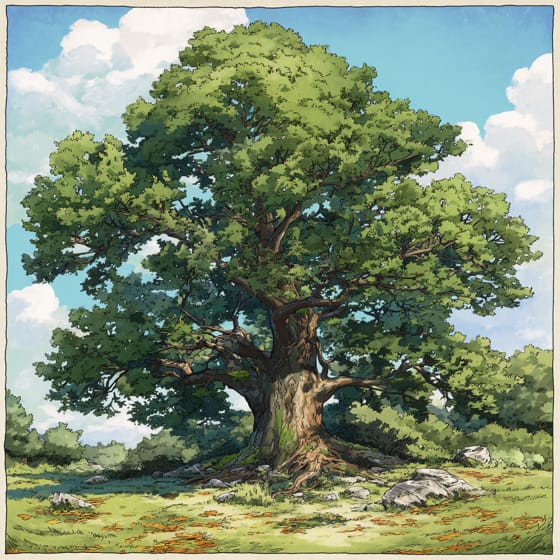
Lebensraum: Wälder
Der Sundheimer ist ein kleines Säugetier mit weichem, rötlich-braunem Fell, einem cremeweißen Bauch und großen, abgerundeten Ohren. Sein markantestes Merkmal ist ein langer, buschiger Schwanz mit schwarzer Spitze, der ihn optisch von gewöhnlichen Nagetieren unterscheidet.
Kategorie
SäugetiereSeltenheit
Common
Gefahr
1/5 · Sehr gering
Snaps
Mach den ersten Snap!
Eine Gruppe von Sundheimern wird 'Geschwätz' genannt, wegen ihrer ständigen Lautäußerungen!
Sundheimer-Zähne hören nie auf zu wachsen, daher müssen sie ständig kauen, um sie kurz zu halten.
Sundheimer kommunizieren mit komplexen Quietschen und Zwitschern, die je nach Situation variieren.
Sie bauen aufwendige Nester hoch in Bäumen oder unter der Erde, wie kleine Architekten.
Sundheimer können dank starker Krallen und eines Greifschwanzes, der ihnen hilft, Äste sicher zu greifen, schnell auf Bäume klettern.
Sundheimer haben große, nach vorne gerichtete Augen, die ihnen helfen, bei schwachem Licht Nahrung zu finden und nach Sonnenuntergang zu navigieren.
Sundheimer können ihr Territorium mit speziellen Duftdrüsen markieren, was ihnen hilft, wichtige Botschaften mit anderen Sundheimern zu kommunizieren.
Sundheimer können dank kräftiger Vordergliedmaßen ausgedehnte Bauten graben, die sichere Zufluchtsorte vor Raubtieren und rauem Wetter bieten.
Eine abwechslungsreiche Ernährung aus Pflanzen und Insekten hält den Sundheimer gesund und energiegeladen.
Pelzig beschreibt Tiere, die eine dichte Schicht aus weichen Haaren oder Fell besitzen.
Soziale Tiere leben in organisierten Gruppen und kooperieren, um ihr Überleben zu sichern, beispielsweise bei der Nahrungssuche, Verteidigung und Aufzucht der Jungen.
Farbenfroh beschreibt Organismen oder Objekte, die eine große Vielfalt an leuchtenden und deutlich erkennbaren Farben aufweisen.
Dieses Merkmal kennzeichnet Lebewesen, deren Ernährung vollständig oder hauptsächlich aus pflanzlichem Material besteht.

Waldlebensräume sind terrestrische Lebensräume, die von dichtem Baumbestand dominiert werden und eine große Vielfalt an Pflanzen- und Tierarten beherbergen.

Tagaktive Tiere sind hauptsächlich bei Tageslicht aktiv und ruhen oder schlafen in der Regel nachts.
Noch keine Alternativnamen vorhanden.
Gefahr
1/5 · Sehr gering
Beobachten Sie immer aus der Ferne und versuchen Sie nicht, Wildtiere wie Sundheimer zu berühren.
Der einfachste Weg, Sundheimer zu bestimmen, ist die Verwendung der Naturführer-App Snappit.
20-40 cm
0.5-2 kg
5-10 Jahre
20 km/h
Eine abwechslungsreiche Ernährung aus Pflanzen und Insekten hält den Sundheimer gesund und energiegeladen.
Wälder
Nahrungssuche
Zoome hinein, um Cluster aufzulösen und zu sehen, wo dieses Objekt fotografiert wurde.
Neueste Snaps erscheinen hier, wenn neue Beobachtungen hinzukommen.
Nimm die Entdeckung mit
Fotografiere deinen Fund mit Snappit, bestimme die Art und füge die Entdeckung deiner Sammlung hinzu.





.jpg&width=800)

.JPG&width=800)


.jpg&width=800)
