





Tadarida teniotis
Tadarida teniotis
Die Tadarida teniotis, auch bekannt als Europäische Freischwanzfledermaus, ist eine kleine Fledermaus, die gerne nachts fliegt. Sie hat lange Flügel und kann durch die Luft sausen, um Insekten zu fangen.
Lebensraum: Höhlen und Stadtgebiete
Die Tadarida teniotis ist eine große, graubraune Fledermaus mit einem kräftigen Körper und einem charakteristischen 'freien' Schwanz, der über ihre Schwanzflughaut hinausragt. Sie hat große, nach vorne gerichtete Ohren und eine faltige Oberlippe, was ihr ein einzigartiges Gesichtsaussehen verleiht.
Kategorie
SäugetiereSeltenheit
Common
Gefahr
1/5 · Sehr gering
Snaps
Mach den ersten Snap!
Ihr 'freier Schwanz' wirkt wie ein Ruder und hilft ihr, bei Höchstgeschwindigkeiten zu lenken!
Ihre riesigen Ohren helfen ihnen, Insektenbeute aus über einer Meile Entfernung zu hören!
Diese Fledermäuse können unglaublich hoch fliegen, manchmal sogar über Berge!
Sie haben faltige Lippen, die ihnen helfen, ihre speziellen Echoortungsrufe zu erzeugen!
Die Tadarida teniotis kann hoch über dem Boden jagen, dank ihrer kräftigen, schmalen Flügel, die ihr helfen, schnell und effizient zu fliegen.
Die Tadarida teniotis hat riesige, faltige Ohren, die ihr helfen, selbst im Dunkeln winzige Insektenbewegungen aus großer Entfernung zu erkennen.
Die Tadarida teniotis hat einen 'freien' Schwanz, der ihr hilft, schnell und präzise in der Luft zu manövrieren, während sie agile Insektenbeute jagt.
Diese schnelle Fledermaus ist ein Experte darin, fliegende Insekten wie Motten und Käfer hoch am Himmel zu fangen!
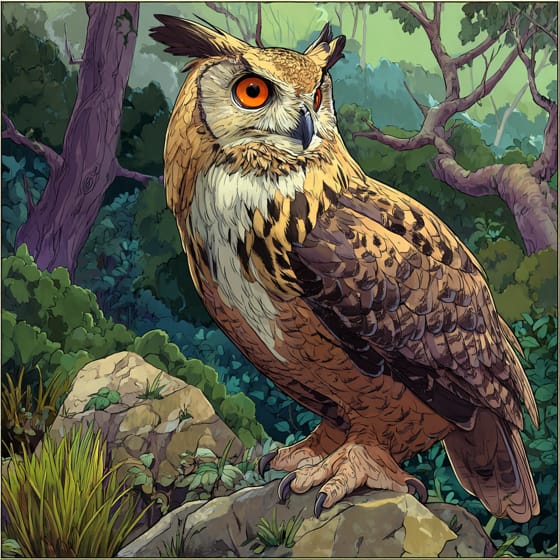
Bubo bubo
Eulen jagen bekanntlich Fledermäuse während ihrer nächtlichen Jagdausflüge.
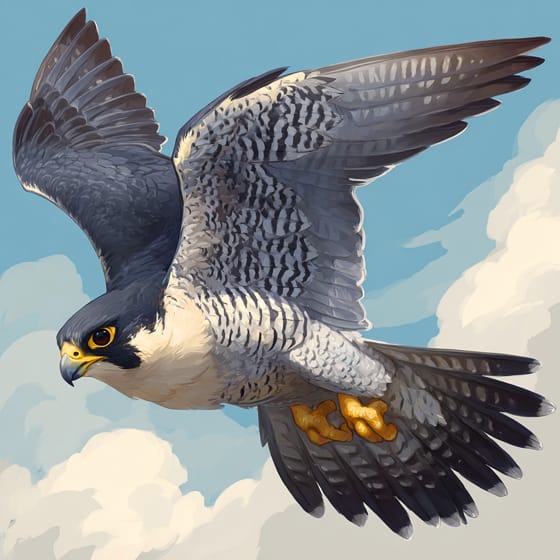
Falco peregrinus
Falken fangen manchmal Fledermäuse, besonders in der Dämmerung.
Noctua pronuba
Diese Fledermaus jagt effektiv große nachtaktive Motten als Beute.

Melolontha melolontha
Große Käfer sind ein wichtiger Bestandteil ihrer Luftinsektennahrung.
Pelzig beschreibt Tiere, die eine dichte Schicht aus weichen Haaren oder Fell besitzen.
Soziale Tiere leben in organisierten Gruppen und kooperieren, um ihr Überleben zu sichern, beispielsweise bei der Nahrungssuche, Verteidigung und Aufzucht der Jungen.
Luftbewohnende Tiere verbringen einen erheblichen Teil ihres Lebens in der Luft und nutzen den Flug für verschiedene Aktivitäten wie Jagd, Wanderungen oder Nestbau.
Höhlenbewohnend beschreibt Organismen, die speziell an das Leben in unterirdischen Höhlensystemen angepasst sind und aufgrund von Lichtmangel oft spezialisierte Merkmale aufweisen.

Dieses Merkmal kennzeichnet Organismen, deren Nahrung hauptsächlich aus Insekten und anderen kleinen Wirbellosen besteht.

Echoortung ist ein biologisches Sonar, das Tiere nutzen, um zu navigieren, zu jagen und zu kommunizieren, indem sie Schallwellen aussenden und die Echos interpretieren.

Dieses Merkmal kennzeichnet Lebewesen, die bei der Jagd, Flucht oder Fortbewegung eine außergewöhnliche Schnelligkeit aufweisen.

Dieses Lebensraummerkmal weist auf Arten hin, die in städtischen und vorstädtischen Umgebungen mit Menschen zusammenleben können und von Menschen geschaffene Strukturen sowie Grünflächen nutzen.

Nachtaktive Tiere sind hauptsächlich in den Nachtstunden aktiv und ruhen oder schlafen normalerweise tagsüber.
Gefahr
1/5 · Sehr gering
Fledermäuse sind normalerweise nicht gefährlich, aber es ist am besten, sie aus der Ferne zu beobachten und nicht zu berühren.
Der einfachste Weg, Tadarida teniotis zu bestimmen, ist die Verwendung der Naturführer-App Snappit.
13-15 cm
41-45 cm
0.017-0.05 kg
10-15 Jahre
100 km/h
Diese schnelle Fledermaus ist ein Experte darin, fliegende Insekten wie Motten und Käfer hoch am Himmel zu fangen!
Höhlen und Stadtgebiete
Zoome hinein, um Cluster aufzulösen und zu sehen, wo dieses Objekt fotografiert wurde.
Neueste Snaps erscheinen hier, wenn neue Beobachtungen hinzukommen.
Nimm die Entdeckung mit
Fotografiere deinen Fund mit Snappit, bestimme die Art und füge die Entdeckung deiner Sammlung hinzu.




.jpg&width=800)



.JPG&width=800)



.jpg&width=800)
