






American Rubyspot
Hetaerina americana
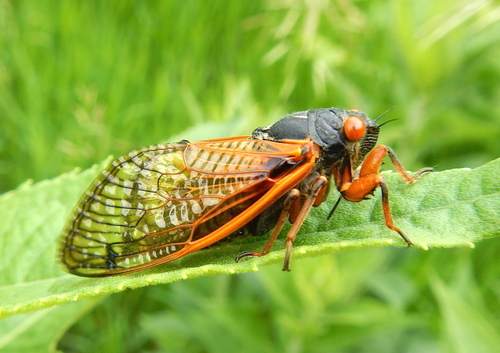
The American Rubyspot is a beautiful dragonfly with bright red spots on its wings. It loves to flutter around near water, showing off its colors to everyone who sees it.
Hábitat: Wetlands
The American Rubyspot is a slender damselfly, instantly recognized by the brilliant, ruby-red spots at the base of its clear wings, especially prominent in males. Its body is metallic green to bronze, contrasting with a pale underside, making it distinctive among other damselflies.
Categoría
InsectosRareza
Common
Peligro
1/5 · Muy bajo
Snaps
¡Sé la primera persona en hacer un snap!
Each of its giant eyes is made of thousands of tiny lenses!
Its babies live underwater for years before they become flying adults!
Males flash their amazing red wing spots to scare off other males!
They can grab prey right out of the air while flying super fast!
American Rubyspot can quickly dart and hover thanks to two pairs of independently controlled wings that help it chase flying insects.
American Rubyspot nymphs can breathe underwater using specialized gills at their tail, allowing them to hunt and grow safely.
American Rubyspot has dazzling ruby-red wing patches that help males attract mates and defend their territory from rivals.
Eats small flying insects, like mosquitoes and gnats.
Diferencias por edad: Nymphs eat aquatic invertebrates; adults eat flying insects.
Culex pipiens
Its nymphs and adults hunt this insect near water.
Micropterus salmoides
Adults and nymphs are a food source for this fish.
.jpg&width=800)
Tyrannus tyrannus
Flying adults are preyed upon by this aerial hunter.
Marcado con manchas o parches de un color diferente.
Los animales solitarios viven solos durante la mayor parte de su vida y solo interactúan con otros para aparearse o cuidar de sus crías.
Las criaturas aéreas pasan una parte importante de su vida en el aire, utilizando el vuelo para diversas actividades como la caza, la migración o la anidación.
Colorido describe a organismos u objetos que exhiben una amplia variedad de colores brillantes y distintivos.

Este rasgo identifica a los organismos cuya dieta consiste principalmente en insectos y otros pequeños invertebrados.

Este rasgo de hábitat identifica especies que se encuentran en humedales, que son áreas de tierra saturadas de agua, ya sea permanente o estacionalmente, e incluyen marismas, pantanos y ciénagas.

Los hábitats de agua dulce incluyen entornos acuáticos no salinos como ríos, lagos, estanques y humedales, vitales para numerosas especies.

Los animales diurnos están activos principalmente durante el día y suelen descansar o dormir por la noche.

Este rasgo identifica a los organismos que exhiben una rapidez excepcional en sus movimientos para cazar, escapar o desplazarse.

Describe organismos que transfieren polen, permitiendo la fertilización y reproducción de las plantas.
Todavía no hay alias listados.
Peligro
1/5 · Muy bajo
Be gentle and quiet around dragonflies so you don't scare them away.
50-70 mm
35-45 mm
20-60 días
15 km/h
Eats small flying insects, like mosquitoes and gnats.
Wetlands
Pursuit
6
Acércate para separar los grupos y explorar dónde se ha fotografiado este objeto.
Los snaps recientes aparecerán aquí a medida que se añadan nuevas observaciones.









.jpg&width=800)


