






Gray Hairstreak
Strymon melinus
The Gray Hairstreak is a small butterfly with beautiful gray wings and orange spots. They flutter around gardens and fields, bringing joy to everyone who sees them.
Hábitat: Urban areas
The Gray Hairstreak is a small butterfly, typically grayish-brown above with an often lighter underside. It has distinct orange-rimmed black spots and two tiny, delicate 'tails' on each hindwing that make it look unique.
Categoría
InsectosRareza
Common
Peligro
1/5 · Muy bajo
Snaps
¡Sé la primera persona en hacer un snap!
Did you know the Gray Hairstreak is one of the most common and widespread butterflies in North America? Wow!
Its caterpillars are incredibly adaptable, munching on over 50 different kinds of plants! Wow!
Some Gray Hairstreak caterpillars even have a sweet secretion that ants love, earning them protection! Wow!
These tiny butterflies often bask with wings closed, twitching their hindwings to make tails look like antennae! Wow!
Gray Hairstreak has delicate hindwing tails and false 'eye spots' that help them trick predators into attacking the wrong end.
Gray Hairstreak can fly quickly and erratically, helping them dart away from birds or other dangers.
Gray Hairstreak caterpillars are often green or brownish, blending perfectly with plants to hide from hungry predators.
Adults sip nectar from flowers, while caterpillars munch on leaves and seeds from many different plants.
Diferencias por edad: Larvae feed on plant leaves and seeds, while adults drink nectar from flowers.
Cyanocitta cristata
Adult butterflies are prey for birds

Argiope aurantia
Can get caught in spider webs

Asclepias syriaca
Visits flowers to drink nectar

Trifolium repens
Helps fertilize clover plants
Phaseolus vulgaris
Caterpillars feed on leaves and pods
Marcado con manchas o parches de un color diferente.
Los animales solitarios viven solos durante la mayor parte de su vida y solo interactúan con otros para aparearse o cuidar de sus crías.
El camuflaje describe a los organismos que poseen colores o patrones que les permiten mezclarse con su entorno.
Colorido describe a organismos u objetos que exhiben una amplia variedad de colores brillantes y distintivos.

Este rasgo caracteriza a los organismos cuya dieta consiste total o principalmente en material vegetal.

Describe plantas que son particularmente atractivas y beneficiosas para una amplia variedad de organismos polinizadores.

Los animales diurnos están activos principalmente durante el día y suelen descansar o dormir por la noche.

Esta característica de hábitat indica especies que pueden coexistir con los humanos en entornos urbanos y suburbanos, utilizando estructuras artificiales y espacios verdes.

Describe organismos que transfieren polen, permitiendo la fertilización y reproducción de las plantas.
Todavía no hay alias listados.
Peligro
1/5 · Muy bajo
Butterflies are gentle and safe to watch, but be careful not to touch them too much.
22-30 mm
10-14 mm
7-21 días
15 km/h
Adults sip nectar from flowers, while caterpillars munch on leaves and seeds from many different plants.
Urban areas
Foraging
6
Acércate para separar los grupos y explorar dónde se ha fotografiado este objeto.
Los snaps recientes aparecerán aquí a medida que se añadan nuevas observaciones.
.JPG)
Massachusetts, US
Puedes ver Virginia Bluebells y Great Golden Digger Wasp.
Ver guía →

Massachusetts, US
Puedes ver Grey Cross Spider, Common Milkweed y Rosas.
Ver guía →
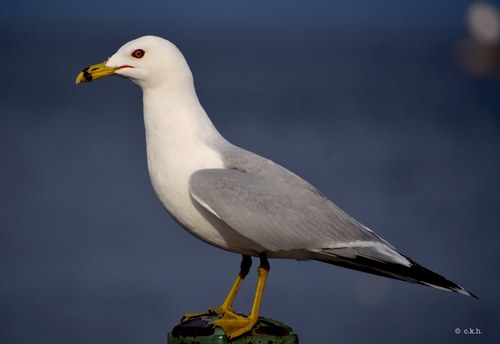
Washington, US
Puedes ver Gaviota De Delaware y Barnacla Canadiense.
Ver guía →
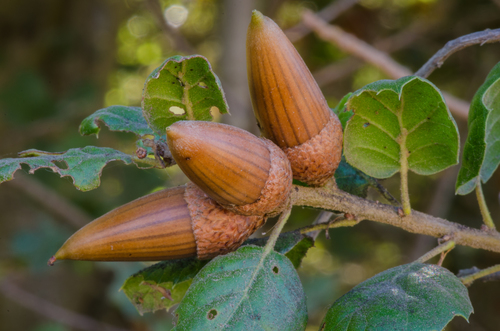
California, US
Puedes ver Coast Live Oak, Lesser Goldfinch y California Scrub-Jay.
Ver guía →
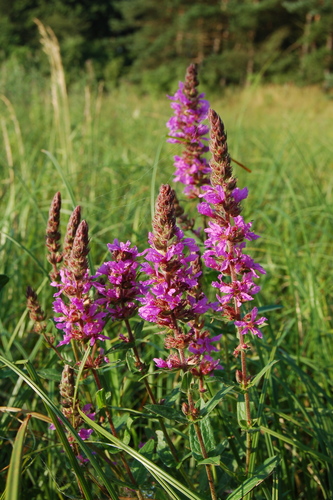
Virginia, US
Puedes ver Purple Loosestrife, Haircap Moss y Magnolias.
Ver guía →

Montana, US
Puedes ver Borrego Cimarrón y Curlleaf Mountain Mahogany.
Ver guía →












