
2_-California.jpg&width=800)





Pygmy Nuthatch
Sitta pygmaea
The Pygmy Nuthatch is a tiny bird that loves to climb trees and search for insects. With its cheerful chirps and cute appearance, it brings joy to the forests where it lives.
Hábitat: Forests
The Pygmy Nuthatch has a compact, plump body with a blue-gray back, a white belly, and a distinctive brown cap. It looks similar to other nuthatches but is smaller with a uniform brown head.
Categoría
AvesRareza
Common
Peligro
1/5 · Muy bajo
Snaps
¡Sé la primera persona en hacer un snap!
A single tree cavity can hold over 100 Pygmy Nuthatches huddling for warmth!
These tiny birds often use old woodpecker holes as their cozy homes and nurseries.
They can hammer seeds into tree bark with their bills, almost like tiny carpenters!
They sometimes stuff nesting holes with sticky tree resin to deter predators!
Pygmy Nuthatch can easily climb head-first down trees because of its strong feet and sharp claws, helping them find hidden insects.
Pygmy Nuthatches can huddle in large groups inside tree cavities that helps them stay warm during cold winter nights.
Pygmy Nuthatches can hide seeds and insects in bark crevices that helps them have food available for later.
They mainly eat insects found in tree bark and also enjoy seeds from conifers.
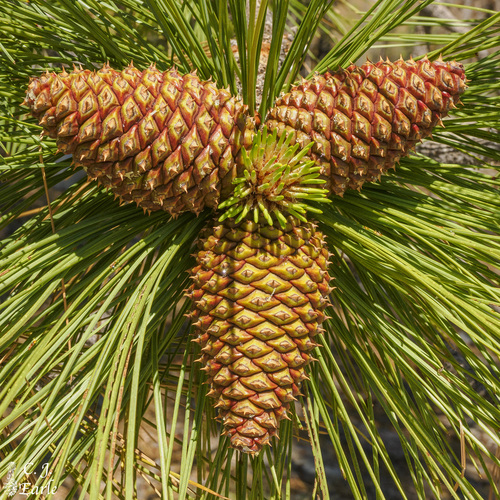
Pinus ponderosa
Provides cavities for nests and food.
Dendroctonus ponderosae
Feeds on these forest pests.
Accipiter cooperii
A common predator of small forest birds.

Megascops kennicottii
Can prey on nuthatches, especially young.
Describe a los animales, principalmente aves, que poseen una cubierta de plumas.
Los animales sociales viven en grupos organizados, cooperando para obtener beneficios de supervivencia como la búsqueda de alimento, la defensa y la cría de descendencia.
Los animales cantores producen vocalizaciones complejas, a menudo con el propósito de atraer parejas, defender el territorio o comunicarse dentro de su especie.
Los animales arborícolas viven principalmente en los árboles, utilizándolos como refugio, alimento y protección contra los depredadores.

Este rasgo identifica a los organismos cuya dieta consiste principalmente en insectos y otros pequeños invertebrados.

Los hábitats boscosos son entornos terrestres dominados por una densa cubierta arbórea, que sustentan una gran diversidad de vida animal y vegetal.

Los animales diurnos están activos principalmente durante el día y suelen descansar o dormir por la noche.

Relativo a especies que son significativamente más pequeñas que lo típico o promedio de su tipo.
Todavía no hay alias listados.
Peligro
1/5 · Muy bajo
Enjoy watching birds from a distance and don't try to touch them.
8.5-11 cm
16-18 cm
0.007-0.012 kg
2-5 años
40 km/h
They mainly eat insects found in tree bark and also enjoy seeds from conifers.
Forests
Foraging
Acércate para separar los grupos y explorar dónde se ha fotografiado este objeto.
Los snaps recientes aparecerán aquí a medida que se añadan nuevas observaciones.









%2C_Kruger_National_Park%2C_South_Africa_(14988496302).jpg&width=800)



