






western sycamore
Platanus racemosa
The western sycamore is a tall tree with big, broad leaves and unique, peeling bark. It grows near rivers and provides shade for animals and people alike.
Hábitat: Wetlands
The western sycamore has striking camouflage bark, a mottled mix of white, green, and brown, that peels away in irregular patches. Its large, maple-like leaves have deep lobes, and its fruits hang in distinctive fuzzy, globe-shaped clusters. It often grows into a massive, spreading tree.
Categoría
PlantasRareza
Common
Peligro
1/5 · Muy bajo
Snaps
¡Sé la primera persona en hacer un snap!
Even when it's just a stump, a western sycamore can sprout many new trunks!
Its leaves can grow enormous, sometimes wider than your head!
The western sycamore’s bark sheds in big sheets, revealing ghostly white patches underneath!
These trees can live for hundreds of years, becoming giants of the forest!
Western sycamore has tough, deep roots that allow it to firmly anchor itself, helping it survive powerful floods.
Western sycamore's peeling bark creates a striking pattern, which helps it blend in with the dappled light in forests.
Western sycamore can disperse its fuzzy seed balls widely, allowing new trees to sprout easily in various spots.

Sciurus griseus
forages for fallen seeds and nuts.

Sialia mexicana
nests in its natural tree hollows.
Icterus cucullatus
builds hanging nests from its leaves.
Odocoileus hemionus
browses on its young leaves and twigs.
Las plantas caducifolias pierden periódicamente todas sus hojas, por lo general durante el otoño o las estaciones secas.
Las plantas tolerantes a la sombra están adaptadas para crecer y prosperar en áreas con bajos niveles de luz, requiriendo menos luz solar directa.
Los árboles de hoja ancha son angiospermas caracterizadas por hojas planas y anchas que típicamente se caen anualmente en climas templados.
Las plantas de crecimiento rápido exhiben tasas de crecimiento aceleradas, aumentando rápidamente de tamaño y biomasa en un corto período de tiempo.

Describe plantas que son particularmente atractivas y beneficiosas para una amplia variedad de organismos polinizadores.

Se refiere a la madera que ha sido preparada para su uso en la construcción y la carpintería.

Este rasgo de hábitat identifica especies que se encuentran en humedales, que son áreas de tierra saturadas de agua, ya sea permanente o estacionalmente, e incluyen marismas, pantanos y ciénagas.
Todavía no hay alias listados.
Peligro
1/5 · Muy bajo
Stay on paths and don't climb too high in trees without an adult.
1500-3000 cm
1000-2000 cm
Primavera
No
Ninguna
Perenne
Viento
Wetlands
Acércate para separar los grupos y explorar dónde se ha fotografiado este objeto.
Los snaps recientes aparecerán aquí a medida que se añadan nuevas observaciones.

California, US
Puedes ver Pato, American Coot y Barnacla Canadiense.
Ver guía →
California, US
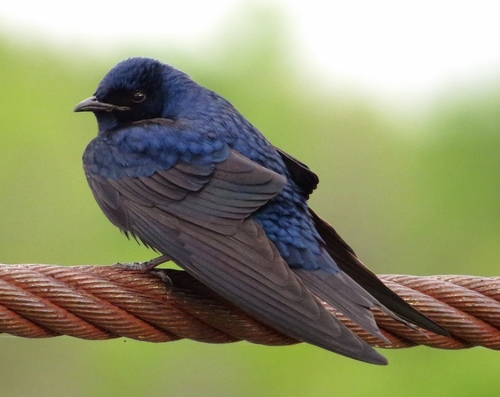
Puedes ver Purple Martin, Acorn Woodpecker y Junco Ojioscuro.
Ver guía →

California, US
Puedes ver California Wild Rose, California Wild Grape y Blue Elder.
Ver guía →

California, US
Puedes ver Valley Oak, Two-Horned Gall Wasp y árbol De La Seda.
Ver guía →















.jpg&width=800)
