
_female.JPG&width=800)





Yellow-bellied Sapsucker
Sphyrapicus varius
The Yellow-bellied Sapsucker is a special woodpecker with a bright yellow belly! They make holes in trees to drink the sweet sap inside. You can often hear their funny tapping sounds in the forest.
Hábitat: Forests
The Yellow-bellied Sapsucker has a distinctive black and white barred back, a bold white stripe on its folded wing, and a red cap. Males also feature a bright red throat, contrasting with the yellowish wash on its belly.
Categoría
AvesRareza
Common
Peligro
1/5 · Muy bajo
Snaps
¡Sé la primera persona en hacer un snap!
A sapsucker's drumming isn't just for food; it's a unique language used to attract mates and mark territory!
Look for trees with rows of small, square holes; that's a sign a Yellow-bellied Sapsucker has been dining there!
These birds drill "sap wells" that other animals, like hummingbirds and squirrels, visit for a sugary snack!
They don't just eat sap! Baby sapsuckers are fed insects, fruit, and even a little sap to help them grow.
Yellow-bellied Sapsucker can create neat rows of shallow holes in tree bark because it provides a steady flow of nutritious sap.
Yellow-bellied Sapsucker has a specialized brush-tipped tongue that helps it lap up tree sap efficiently from its sap wells.
Yellow-bellied Sapsucker can excavate new nest cavities annually that provide homes for other forest creatures.
Feeds mainly on tree sap, collected from its own drilled holes, supplemented with insects and fruits.
Diferencias por edad: Young birds are fed mostly insects and fruit, gradually switching to a sap-heavy diet.
Acer rubrum
Provides sap for food.

Archilochus colubris
Drinks sap from sapsucker wells.

Glaucomys sabrinus
Uses old sapsucker cavities for nests.
Falco sparverius
Hunted by this bird of prey.
Describe a los animales, principalmente aves, que poseen una cubierta de plumas.
Los animales sociales viven en grupos organizados, cooperando para obtener beneficios de supervivencia como la búsqueda de alimento, la defensa y la cría de descendencia.
Los animales cantores producen vocalizaciones complejas, a menudo con el propósito de atraer parejas, defender el territorio o comunicarse dentro de su especie.
Este rasgo caracteriza a los organismos cuya dieta consiste total o principalmente en material vegetal.

Los hábitats boscosos son entornos terrestres dominados por una densa cubierta arbórea, que sustentan una gran diversidad de vida animal y vegetal.

Los animales diurnos están activos principalmente durante el día y suelen descansar o dormir por la noche.

Describe una especie cuya presencia y papel tienen un efecto desproporcionadamente grande en su entorno.

Los animales migratorios emprenden movimientos estacionales de una región a otra, típicamente en respuesta a cambios en el clima o la disponibilidad de alimentos.
Todavía no hay alias listados.
Peligro
1/5 · Muy bajo
Enjoy watching birds from a distance and don't disturb their nests.
19-21 cm
34-40 cm
0.043-0.055 kg
4-7 años
55 km/h
Feeds mainly on tree sap, collected from its own drilled holes, supplemented with insects and fruits.
Forests
Foraging
Acércate para separar los grupos y explorar dónde se ha fotografiado este objeto.
Los snaps recientes aparecerán aquí a medida que se añadan nuevas observaciones.
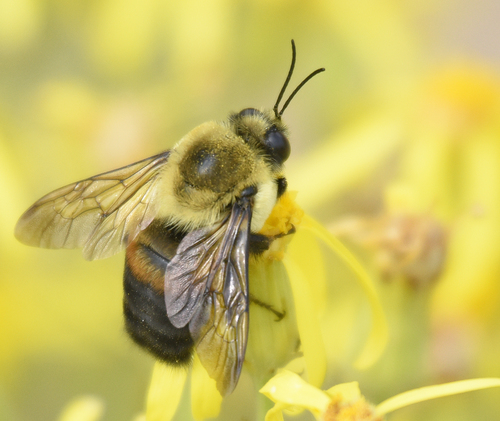
New York, US
Puedes ver Brown-Belted Bumble Bee y Ardilla Gris Oriental.
Ver guía →
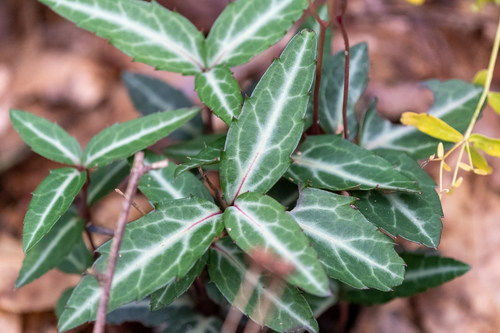
Virginia, US
Puedes ver Striped Wintergreen, Christmas Fern y Autumn Olive.
Ver guía →
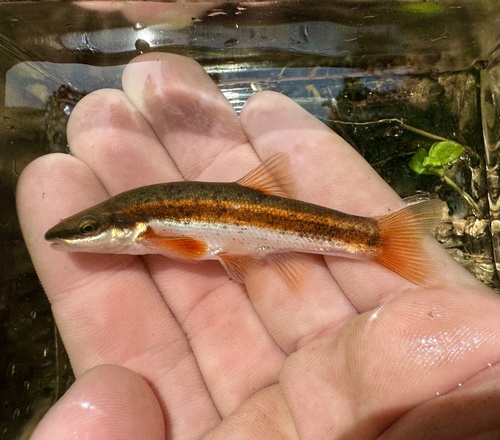
Virginia, US
Puedes ver Eastern Blacknose Dace y Common Jewelweed.
Ver guía →
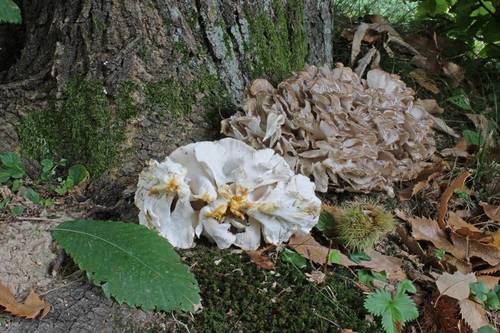
Virginia, US
Puedes ver Gallina De Los Bosques, Roble Blanco y Harlequin Glorybower.
Ver guía →














_at_G%C3%B6teborgs_Naturhistoriska_Museum_8980.jpg&width=800)

