






Yellow-fronted Bumble Bee
Bombus flavifrons
The Yellow-fronted Bumble Bee is a fuzzy little insect with bright yellow markings on its face. They are important pollinators, helping flowers grow by spreading pollen as they buzz from bloom to bloom.
Hábitat: Grasslands
The Yellow-fronted Bumble Bee has a distinctive furry body with a bright yellow patch on its head and the front of its thorax. A black band separates its wings, followed by yellow and black stripes on its abdomen, often ending with a rusty or yellow tail.
Categoría
InsectosRareza
Common
Peligro
1/5 · Muy bajo
Snaps
¡Sé la primera persona en hacer un snap!
A queen bumble bee starts her entire colony all by herself in the spring!
Bumble bees visit thousands of flowers a day to collect nectar and pollen!
Their fuzzy bodies act like tiny warm coats, keeping them toasty in cool weather.
They can tell other bees about good flower patches using scent markers.
Yellow-fronted Bumble Bee can vibrate its flight muscles to 'buzz' certain flowers, shaking out hidden pollen that other bees can't reach.
Yellow-fronted Bumble Bee has special muscles it can shiver to warm its body, allowing it to forage in cooler weather than most bees.
Yellow-fronted Bumble Bee can extend its long, straw-like tongue (proboscis) to reach sweet nectar hidden deep inside complex flowers.
These fuzzy bees sip sweet nectar for energy and gather pollen for their growing babies.

Trifolium pratense
Helps this plant reproduce by carrying pollen.
Lupinus polyphyllus
An important pollinator for this colorful wildflower.
.jpg&width=800)
Tyrannus tyrannus
Sometimes caught and eaten by this agile bird.
Physocephala tibialis
Its larvae develop inside the bumble bee's body.
Peludo describe a los animales que poseen una cubierta densa de pelo o pelaje suave.
Los animales sociales viven en grupos organizados, cooperando para obtener beneficios de supervivencia como la búsqueda de alimento, la defensa y la cría de descendencia.
Este rasgo caracteriza a los organismos cuya dieta consiste total o principalmente en material vegetal.
Describe plantas que son particularmente atractivas y beneficiosas para una amplia variedad de organismos polinizadores.

Los hábitats de pastizales son biomas terrestres dominados por pastos y plantas herbáceas, que sustentan a una variedad de animales de pastoreo.

Los animales diurnos están activos principalmente durante el día y suelen descansar o dormir por la noche.

Describe una especie cuya presencia y papel tienen un efecto desproporcionadamente grande en su entorno.

Describe organismos que transfieren polen, permitiendo la fertilización y reproducción de las plantas.
Todavía no hay alias listados.
Peligro
1/5 · Muy bajo
Bumble bees are usually friendly, but it's best to stay calm and not swat at them.
18-40 mm
9-20 mm
14-42 días
15 km/h
These fuzzy bees sip sweet nectar for energy and gather pollen for their growing babies.
Grasslands
Foraging
6
Acércate para separar los grupos y explorar dónde se ha fotografiado este objeto.
Los snaps recientes aparecerán aquí a medida que se añadan nuevas observaciones.

British Columbia, CA
Puedes ver águila Calva, Ghost Pipe y Salmonberry.
Ver guía →

British Columbia, CA
Puedes ver Herb Robert, Western Redcedar y Thimbleberry.
Ver guía →

British Columbia, CA
Puedes ver Babosa Banana, Western Sword Fern y Red Huckleberry.
Ver guía →
British Columbia, CA
Puedes ver águila Calva, Harlequin Duck y Barrow's Goldeneye.
Ver guía →
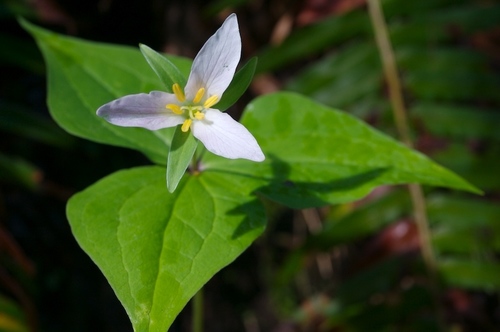
British Columbia, CA
Puedes ver Pacific Trillium, Vanilla Leaf y Japanese Knotweed.
Ver guía →

Washington, US
Puedes ver Oregon Oak, Pacific Madrone y Fairy-Slipper.
Ver guía →




.jpg&width=800)






%2C_Hartelholz%2C_M%C3%BAnich%2C_Alemania%2C_2020-06-21%2C_DD_46-56_FS.jpg&width=800)