





Blue Dasher
Pachydiplax longipennis
The Blue Dasher is a small dragonfly with bright blue colors. They love to perch on plants and are great fliers!
Habitat: Ponds and lakes
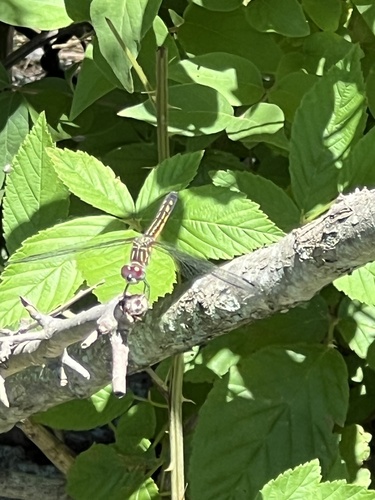
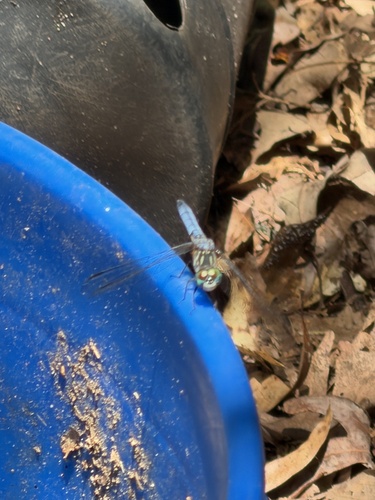
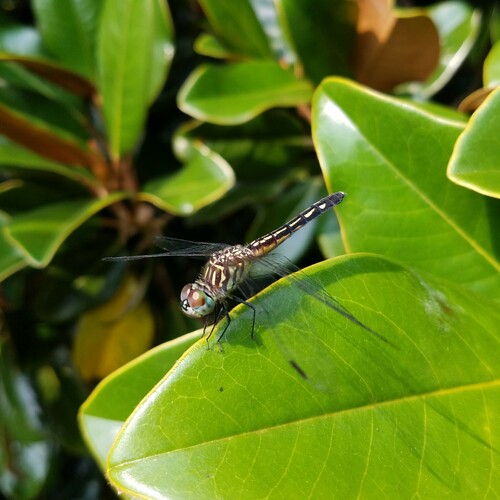
The Blue Dasher is a small to medium-sized dragonfly with a striking appearance. Males are powdery blue with a dark abdomen tip, while females and young males are yellowish-brown with a distinct dark stripe down their back. They often have clear wings with a dark spot near the tip.
Category
InsectsRarity
Common
Danger
2/5 · Low
Snaps
150
Adult Dashers eat hundreds of flying pests daily, including mosquitoes and flies!
Ancestors of the Blue Dasher were giant, flying insects with wingspans over two feet!
Blue Dasher babies live underwater for months, breathing through gills in their rear!
Dragonflies, like the Dasher, have wings that beat independently for amazing flight control!
Blue Dasher has huge compound eyes that help them spot tiny prey and predators from far away in almost every direction.
Blue Dasher can fly backwards, hover, and dart instantly because their four wings move independently, allowing for incredible aerial agility.
Blue Dasher larvae ambush underwater prey using an extendable, hinged jaw that shoots out to snatch unsuspecting insects.
They eat tiny flying insects like mosquitoes and flies to stay strong and healthy.
Age differences: Larvae are aquatic predators, eating small aquatic insects and tadpoles.
Culex pipiens
adults hunt this aerial prey
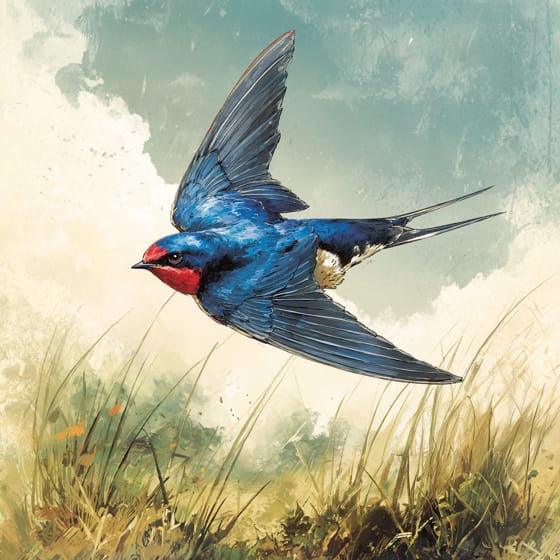
Hirundo rustica
adults are caught mid-flight
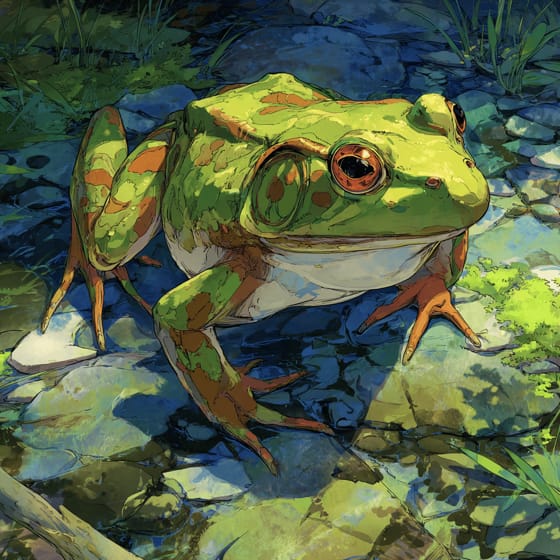
Lithobates catesbeianus
larvae and adults are prey
Lepomis macrochirus
naiads are hunted in water
Wildlife encompasses all undomesticated animal and plant life existing in their natural habitats.
Aerial creatures spend a significant portion of their lives airborne, utilizing flight for various activities such as hunting, migration, or nesting.
This trait identifies organisms whose diet includes both plant and animal matter.
Camouflaged describes organisms that possess coloring or patterns that allow them to blend into their environment.

This trait identifies organisms whose diet primarily consists of insects and other small invertebrates.

Diurnal animals are primarily active during daylight hours, typically resting or sleeping at night.

Freshwater habitats include non-saline aquatic environments such as rivers, lakes, ponds, and wetlands, vital for numerous species.

This trait identifies organisms that exhibit exceptional swiftness in movement for hunting, escape, or travel.
Danger
2/5 · Low
Do not touch or pick up. Some insects sting or bite. Ask an adult for help.
The easiest way to identify Blue Dasher is to use the Snappit nature identifier app.
60-75 mm
30-43 mm
30-90 days
30 km/h
They eat tiny flying insects like mosquitoes and flies to stay strong and healthy.
Ponds and lakes
Pursuit
Zoom in to split clusters and explore where this object has been snapped.
Jun 16, 2026
Chantilly ParkPhoto attribution
(c) Mark Richman, some rights reserved (CC BY)
License: CC BY 4.0 ↗
Image may be shown cropped inside the card frame.
Jun 5, 2026
Auburn University Historic DistrictPhoto attribution
(c) Djibo Zanzot, some rights reserved (CC BY-SA)
License: CC BY-SA 4.0 ↗
Image may be shown cropped inside the card frame.
Jul 18, 2023
Greensboro Commercial Historic DistrictPhoto attribution
(c) Leila Dasher, some rights reserved (CC BY)
License: CC BY 4.0 ↗
Image may be shown cropped inside the card frame.

Arkansas, US
You might spot Eastern Gray Squirrel and Asian Lady Beetle.
View guide →

Maryland, US
You might spot Crane-Fly Orchid, Fragile Forktail, and Ebony Jewelwing.
View guide →
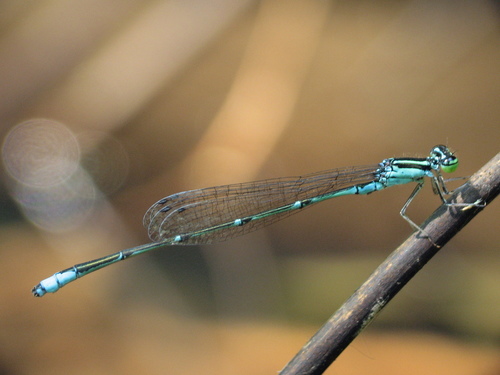
New York, US
You might spot Stream Bluet, Variable Dancer, and Eastern Pondhawk.
View guide →

US
You might spot Wharf Louse, Osprey, and Ruddy Turnstone.
View guide →
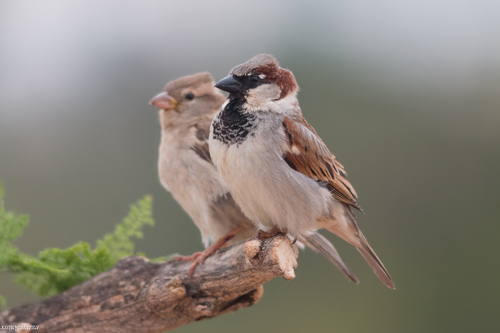
Pennsylvania, US
You might spot House Sparrow, Spotted Lanternfly, and American Robin.
View guide →

Virginia, US
You might spot Spotted Lanternfly and Northern Cardinal.
View guide →
Take the discovery with you
Snap it with Snappit to identify it, learn what makes it special, and add the discovery to your collection.









.jpg&width=800)




