





Blue Dasher

Nestled quietly along the Anacostia River, Kenilworth Park & Aquatic Gardens offers a breathtaking escape into a world of aquatic flora and diverse wildlife, a true hidden gem within Washington, D.
Nestled quietly along the Anacostia River, Kenilworth Park & Aquatic Gardens offers a breathtaking escape into a world of aquatic flora and diverse wildlife, a true hidden gem within Washington, D.C. This unique National Park Service site is renowned for its spectacular displays of exotic and native water lilies and lotuses, transforming its numerous ponds into vibrant canvases of color, especially during the summer months. It's a serene oasis where the gentle rustling of reeds and the calls of numerous bird species replace the city's hustle and bustle, providing a peaceful retreat for nature enthusiasts and a vital habitat for local creatures.
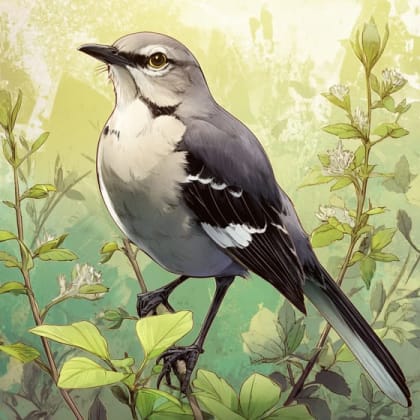
Beyond the cultivated aquatic gardens, the park also encompasses Kenilworth Marsh, the largest remaining tidal marsh in Washington, D.C., offering a glimpse into the region's natural history. Visitors can stroll along elevated boardwalks that weave through lush wetlands, observing a rich tapestry of life. Keep an eye out for various dragonflies like the Blue Dasher, Fragile Forktail, and Slaty Skimmer darting over the water, or spot a Painted Turtle basking on a log. The marsh is a haven for birds, including the majestic Great Blue Heron and elegant Great Egret, along with vocal Red-winged Blackbirds and Song Sparrows, and in the trees, the Northern Mockingbird.
Kenilworth Park & Aquatic Gardens is more than just a garden; it's an immersive experience that changes with the seasons, offering something new with every visit. Whether you're captivated by the ancient Sacred Lotus reaching skyward, the delicate beauty of pickerelweed and swamp rose mallow, or the chance to witness beavers at work and White-tailed Deer grazing, the park promises memorable moments. It’s a place where you can reconnect with nature, learn about the delicate balance of aquatic ecosystems, and find unexpected tranquility amidst the urban landscape. Turn your visit into a safari! Use the Snappit app to scan and log wildlife sightings here.
The origins of Kenilworth Aquatic Gardens trace back to the late 19th century with Civil War veteran Walter B. Shaw. In the 1880s, Shaw, feeling homesick, planted wild water lilies from his home state of Maine in an unused ice pond on land he purchased. What began as a hobby soon blossomed into a thriving commercial enterprise, W.B. Shaw Lily Ponds, by 1912, as he cultivated exotic water lilies and developed new varieties. Upon Shaw's death in 1921, his daughter, Helen Shaw Fowler, took over the prospering business, attracting numerous visitors and dignitaries. However, in the 1930s, the gardens faced a threat of destruction due to the U.S. Army Corps of Engineers' plans to dredge the Anacostia River. Helen fought to preserve her father's legacy, leading to the U.S. Congress purchasing the gardens for $15,000 in 1938. The National Park Service then acquired the property, renaming it Kenilworth and ensuring its preservation for the American people as the only National Park Service unit dedicated to cultivating and displaying water-loving plants.
Enjoy the vibrant blooms of Sacred Lotus and various water lilies (including Victoria water lilies in late summer).
Birdwatching: The park is home to over 250 species of birds, including Great Blue Heron, Great Egret, and Red-winged Blackbirds.
Wildlife viewing: Look for Painted Turtles, Pond Sliders, American Bullfrogs, Green Frogs, Common Raccoons, Muskrats, American Beavers, and White-tailed Deer.
Photography: Capture the stunning aquatic plants and diverse wildlife.
Ranger Programs: Inquire at the visitor center for guided tours and educational talks.
Lotus and Water Lily Festival: A popular annual event in mid-July with cultural performances, ranger talks, and live animal presentations.
Spring: Delicate cherry and dogwood blossoms, migratory birds, nesting geese and ducks.
Summer: Peak bloom for lotuses (late June-August) and water lilies (June-early July). Tropical lilies peak in July-August.
Fall: Aquatic plants and trees change color, beautiful lotus seed pods, returning migratory birds.
Winter: Peaceful walks, opportunities for winter birding, views of the Anacostia River.
Kenilworth Aquatic Gardens is designed to be accessible. It offers wheelchair accessibility, with ramps and room to navigate with mobility devices. Two wheelchairs are available for use and can be requested at the Visitor Center. The trails are mostly flat, though some areas closer to the marsh edges might become less accessible after heavy rain. Accessible parking is available.
The star attractions, featuring 45 ponds filled with hardy and tropical varieties, including ancient Sacred Lotus.
The last remaining tidal marsh of the Anacostia River in D.C., offering rich wildlife viewing.
An elevated path providing immersive views of the tidal marsh and its inhabitants.
A longer trail adjacent to the park for hiking and biking.
Each card links to a full Explore page with photos, traits, and fun facts.



























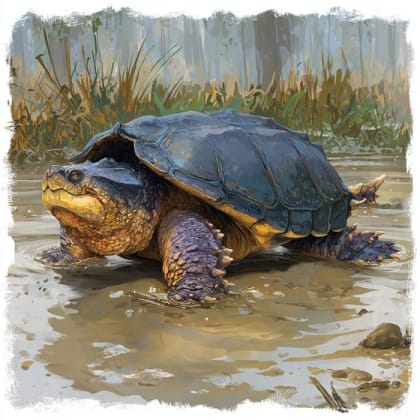


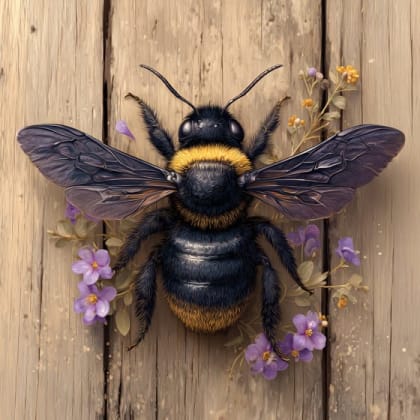










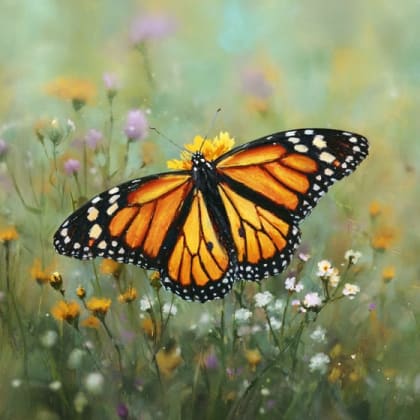
Start with the big picture, then zoom in to explore individual wildlife observations around this place.
Visit early
Arrive in the morning, especially during peak bloom season, to see the flowers fully open and to avoid crowds and the midday heat.
Bring water and snacks
There are no food concessions, apart from a small shop with bottled water, so it's wise to bring your own, especially on warm days.
Wear comfortable shoes
While many trails are accessible, some areas may be unpaved or muddy, particularly after rain.
Don't forget binoculars
With over 250 bird species and other wildlife, binoculars will enhance your viewing experience, particularly along the marsh boardwalk.
Check the calendar
Before visiting, check the park's website for current blooming conditions, ranger programs, and special events like the annual Lotus and Water Lily Festival.
Consider public transport
While parking is free, it can be limited during peak times. The park is accessible via Metro and then a walk, or by biking the Anacostia Riverwalk Trail.
Jun 19, 2026
Jun 17, 2026
Jun 16, 2026
Jun 16, 2026
Jun 16, 2026

Maryland, US
You might spot White-Tailed Deer and Eastern Gray Squirrel.
View guide →
.jpg)
District of Columbia, US
You might spot Eastern Gray Squirrel, Duck, and House Sparrow.
View guide →

Illinois, US
You might spot American Robin, Canada Goose, and House Sparrow.
View guide →

Virginia, US
You might spot Spotted Lanternfly and Northern Cardinal.
View guide →
Take the discovery with you
Identify the wildlife you spot, learn as you go, and keep a collection of the adventure.
.jpg&width=800)