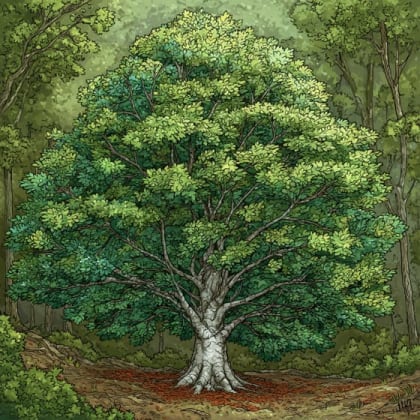


Eastern Hemlock

Nestled within Pennsylvania's picturesque New Lancaster Valley, Reeds Gap State Park offers a serene and captivating escape, inviting visitors to immerse themselves in a landscape rich with natural beauty.
Nestled within Pennsylvania's picturesque New Lancaster Valley, Reeds Gap State Park offers a serene and captivating escape, inviting visitors to immerse themselves in a landscape rich with natural beauty. This cherished park, spanning over 220 acres, is a true haven for nature enthusiasts, boasting lush forests dominated by towering Eastern hemlocks and Eastern white pines, meandering streams, and an abundance of diverse wildlife. It's a place where the air is fresh, the sounds are natural, and the opportunity for peaceful reflection or active adventure abounds, making it a truly special destination in the heart of Pennsylvania.
The park is a vibrant ecosystem, showcasing a remarkable array of flora and fauna. Hikers can explore trails winding through groves where partridgeberry carpets the forest floor and American beech trees stand tall. Keep an eye out for the striking cardinal flower near water sources or the delicate Ghost Pipe emerging from the leaf litter. Birdwatchers might spot a Tennessee Warbler, while observant visitors could encounter an Eastern Red-backed Salamander beneath a log or an Eastern Chipmunk darting through the underbrush. The park's diverse habitats, from mature woodlands to riparian areas, provide a home for a variety of species, ensuring there's always something new to discover.
Reeds Gap State Park is more than just a park; it's an experience that rejuvenates the spirit. Whether you're seeking a tranquil picnic by Honey Creek, a challenging hike through rugged terrain, or simply a quiet moment surrounded by nature, this park delivers. Its blend of accessible beauty, rich biodiversity, and opportunities for recreation makes it a memorable destination for families, solo adventurers, and anyone looking to reconnect with the natural world. From the vibrant hues of autumn foliage to the refreshing cool of its shaded trails, Reeds Gap leaves a lasting impression, drawing visitors back season after season. Turn your visit into a safari! Use the Snappit app to scan and log wildlife sightings here.
Reeds Gap State Park was established in the 1930s, primarily through the efforts of the Civilian Conservation Corps (CCC) during the Great Depression. The CCC played a crucial role in developing the park's infrastructure, including trails, roads, and facilities, transforming the natural landscape into a recreational area accessible to the public. This era of conservation laid the groundwork for the park visitors enjoy today, preserving the natural beauty of the New Lancaster Valley for future generations. The park's creation was part of a larger statewide effort to develop Pennsylvania's park system, providing much-needed employment during an economic crisis while simultaneously conserving valuable natural resources. Over the decades, Reeds Gap has continued to evolve, maintained and managed by the Pennsylvania Department of Conservation and Natural Resources (DCNR) to offer a variety of outdoor activities while upholding its commitment to environmental stewardship.
Hiking: Explore a variety of trails, from easy strolls along Honey Creek to more strenuous climbs offering scenic views. The Mid State Trail passes through the park.
Picnicking: Enjoy shaded picnic areas with tables and grills.
Fishing: Honey Creek and its tributaries are popular for trout fishing.
Camping: Primitive campsites are available for a rustic outdoor experience.
Wildlife Viewing: Look for Eastern Chipmunks, Eastern Red-backed Salamanders, and various bird species like the Tennessee Warbler.
Plant Identification: Discover plants such as partridgeberry, Eastern hemlock, American beech, and the unique Ghost Pipe.
Spring: Wildflowers bloom, and migratory birds return. Trails can be muddy.
Summer: Ideal for camping, fishing, and enjoying the cool forest. Insect repellent is recommended.
Fall: Spectacular fall foliage transforms the landscape. Cooler temperatures are perfect for hiking.
Winter: Offers opportunities for cross-country skiing and snowshoeing, weather permitting. Some facilities may close seasonally.
While much of the park is natural and rugged, there are typically accessible parking areas and restrooms near the main day-use areas. Visitors should check the official DCNR website for the most up-to-date information on specific trail accessibility.
Honey Creek, the challenging Mid State Trail section, the CCC-built facilities, and the diverse forest ecosystem.
Each card links to a full Explore page with photos, traits, and fun facts.
Start with the big picture, then zoom in to explore individual wildlife observations around this place.
Wear appropriate footwear
Trails can be rocky and uneven, so sturdy hiking boots are recommended.
Bring insect repellent
Especially during warmer months, ticks and mosquitoes can be present.
Pack water and snacks
While there are picnic areas, services within the park are limited.
Check trail conditions
Before heading out, especially after rain, check the DCNR website for any trail closures or advisories.
Practice Leave No Trace principles
Help preserve the park's beauty by packing out everything you pack in and staying on marked trails.
Carry a field guide
Enhance your experience by identifying the diverse plants (e.g., partridgeberry, Eastern hemlock) and animals you encounter.
Oct 26, 2025
Oct 26, 2025
Oct 26, 2025
Aug 31, 2025
Sep 9, 2024

Maryland, US
You might spot White-Tailed Deer and Eastern Gray Squirrel.
View guide →
.jpg)
District of Columbia, US
You might spot Eastern Gray Squirrel, Duck, and House Sparrow.
View guide →

Illinois, US
You might spot American Robin, Canada Goose, and House Sparrow.
View guide →

Virginia, US
You might spot Spotted Lanternfly and Northern Cardinal.
View guide →
Take the discovery with you
Identify the wildlife you spot, learn as you go, and keep a collection of the adventure.