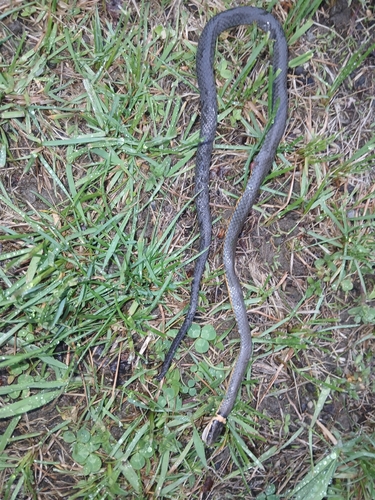
Ring-necked Snake
Diadophis punctatus
The Ring-necked Snake is small and has a beautiful yellow ring around its neck! They are shy and prefer to hide under rocks.
Habitat: Woodlands and grasslands
The Ring-necked Snake is a slender reptile, typically gray to black on its back. It has a distinctive bright yellow, orange, or reddish ring around its neck, which sharply contrasts with its dark body. The belly is usually a vibrant yellow or orange, making it visually unique.
Category
ReptilesRarity
Common
Danger
2/5 · Low
Snaps
55
Despite being snakes, they rarely bite humans and often coil up instead.
Ring-necked Snakes lay their small, white eggs in rotting wood or under rocks.
Their smooth scales feel surprisingly soft to the touch, not slimy at all!
These tiny snakes often play dead to trick predators into leaving them alone!
Ring-necked Snakes can coil their tail into a spiral to expose a bright orange belly, startling predators away.
Ring-necked Snakes have mild venom that helps them subdue small prey like salamanders and slugs effectively.
Ring-necked Snakes can use their forked tongue to 'taste' the air, helping them find hidden prey.
This small snake is a carnivore that enjoys dining on other small, soft-bodied creatures.
Plethodon cinereus
A primary food source in many habitats.
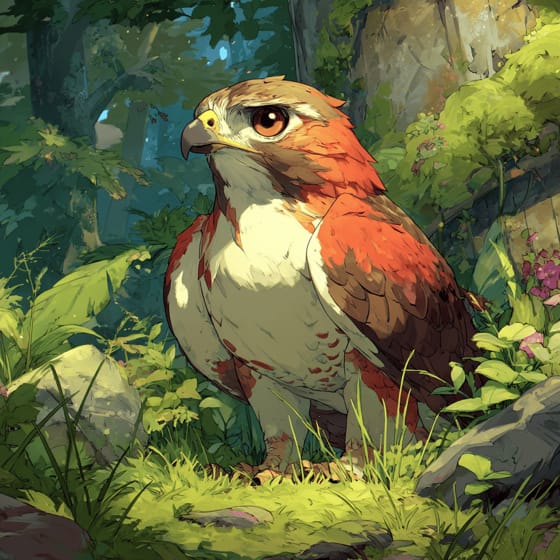
Buteo jamaicensis
A common aerial predator of these snakes.
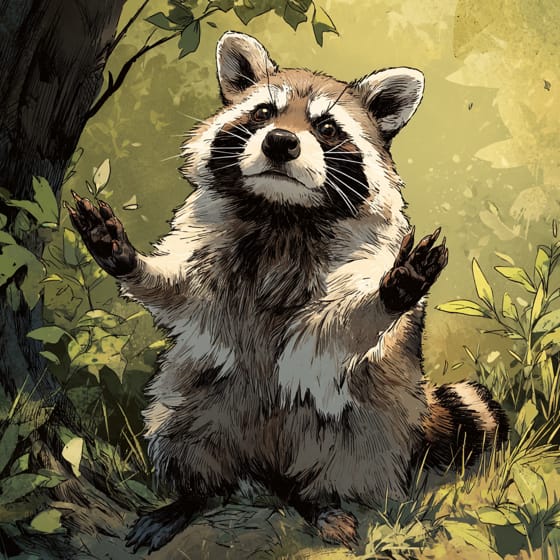
Procyon lotor
Opportunistic nocturnal predators that may eat them.
Wildlife encompasses all undomesticated animal and plant life existing in their natural habitats.
Solitary animals live alone for most of their lives, only interacting with others for mating or parental care.
Forest habitats are terrestrial environments dominated by dense tree cover, supporting a high diversity of plant and animal life.
This trait characterizes organisms with an exceptionally long lifespan compared to others of their kind.

This trait identifies organisms whose diet consists entirely or primarily of animal tissue.

Nocturnal animals are primarily active during the nighttime hours, typically resting or sleeping during the day.
Danger
2/5 · Low
Look but don’t touch. Keep a safe distance and wash hands after exploring.
The easiest way to identify Ring-necked Snake is to use the Snappit nature identifier app.
25-45 cm
0.005-0.015 kg
6-10 years
0.5 km/h
This small snake is a carnivore that enjoys dining on other small, soft-bodied creatures.
Woodlands and grasslands
Foraging
Zoom in to split clusters and explore where this object has been snapped.
May 6, 2026
Downtown Torrington Historic DistrictPhoto attribution
no rights reserved
License: CC0 1.0 ↗
Image may be shown cropped inside the card frame.

California, US
You might spot Sequoia, California Newt, and Pacific Dogwood.
View guide →

Pennsylvania, US
You might spot Mountain Laurel, Ghost Pipe, and Sweetfern.
View guide →

North Carolina, US
You might spot Northern Cardinal, Carolina Wren, and Tufted Titmouse.
View guide →

Alabama, US
You might spot Anole, Bee, and Bristle Thistle.
View guide →

US
You might spot Pink Lady's Slipper and Canada Mayflower.
View guide →

Michigan, US
You might spot Yellow Lady's Slipper and Ring-Billed Gull.
View guide →
Take the discovery with you
Snap it with Snappit to identify it, learn what makes it special, and add the discovery to your collection.