





Grass Snake
Natrix natrix
The Grass Snake is a slender snake that loves to live near water! They are often seen swimming gracefully.
Habitat: Wetlands and grassy areas
The Grass Snake is typically olive-green to brownish-grey with dark spots along its sides. It has a distinctive yellow or white collar behind its head, bordered by black, making it easy to identify. Its body is slender.
Category
ReptilesRarity
Common
Danger
2/5 · Low
Snaps
1
Baby grass snakes are only as long as your finger when they hatch!
Their eggs are often laid in warm compost piles or rotting leaves.
They can play dead by flipping over and pretending to be lifeless!
They have a gland that makes them smell bad to scare predators!
Grass Snake can play dead by flipping onto its back and staying still, which helps them avoid predators.
Grass Snake has glands that release a strong-smelling musk when threatened, helping them deter attackers.
Grass Snake can lay eggs in warm compost heaps or rotting vegetation, which helps them incubate naturally.
Grass snakes are carnivores that primarily hunt amphibians and fish in their watery habitats.
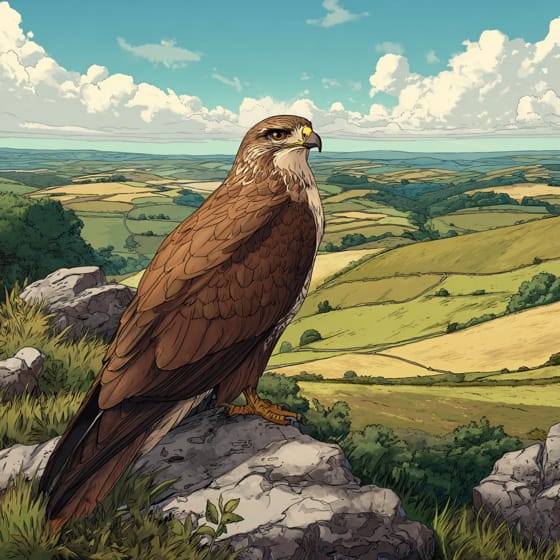
Buteo buteo
A common predator, especially for younger snakes.
Rana temporaria
A primary food source, caught near water.
Bufo bufo
Another common amphibian prey item for the snake.
Wildlife encompasses all undomesticated animal and plant life existing in their natural habitats.
Piscivorous organisms are animals that primarily subsist on a diet of fish.
This habitat trait identifies species found in wetlands, which are areas of land saturated with water, either permanently or seasonally, including marshes, swamps, and bogs.
Aquatic habitats encompass environments where organisms live predominantly in water, including oceans, rivers, lakes, and wetlands.

Nocturnal animals are primarily active during the nighttime hours, typically resting or sleeping during the day.
Danger
2/5 · Low
Look but don’t touch. Keep a safe distance and wash hands after exploring.
The easiest way to identify Grass Snake is to use the Snappit nature identifier app.
60-120 cm
0.1-0.3 kg
10-15 years
3 km/h
Grass snakes are carnivores that primarily hunt amphibians and fish in their watery habitats.
2 km/h
Wetlands and grassy areas
Zoom in to split clusters and explore where this object has been snapped.
Take the discovery with you
Snap it with Snappit to identify it, learn what makes it special, and add the discovery to your collection.
















