Banana Slug
Goldstream Provincial Park, a jewel just 16 km northwest of Victoria, British Columbia, invites visitors into a lush temperate rainforest teeming with life.
Goldstream Provincial Park, a jewel just 16 km northwest of Victoria, British Columbia, invites visitors into a lush temperate rainforest teeming with life. This captivating park is renowned for its towering old-growth trees, including 600-year-old Douglas firs and western red cedars, alongside arbutus and Garry oak. The Goldstream River, a central feature, hosts an awe-inspiring annual salmon run, making the park a dynamic natural spectacle.
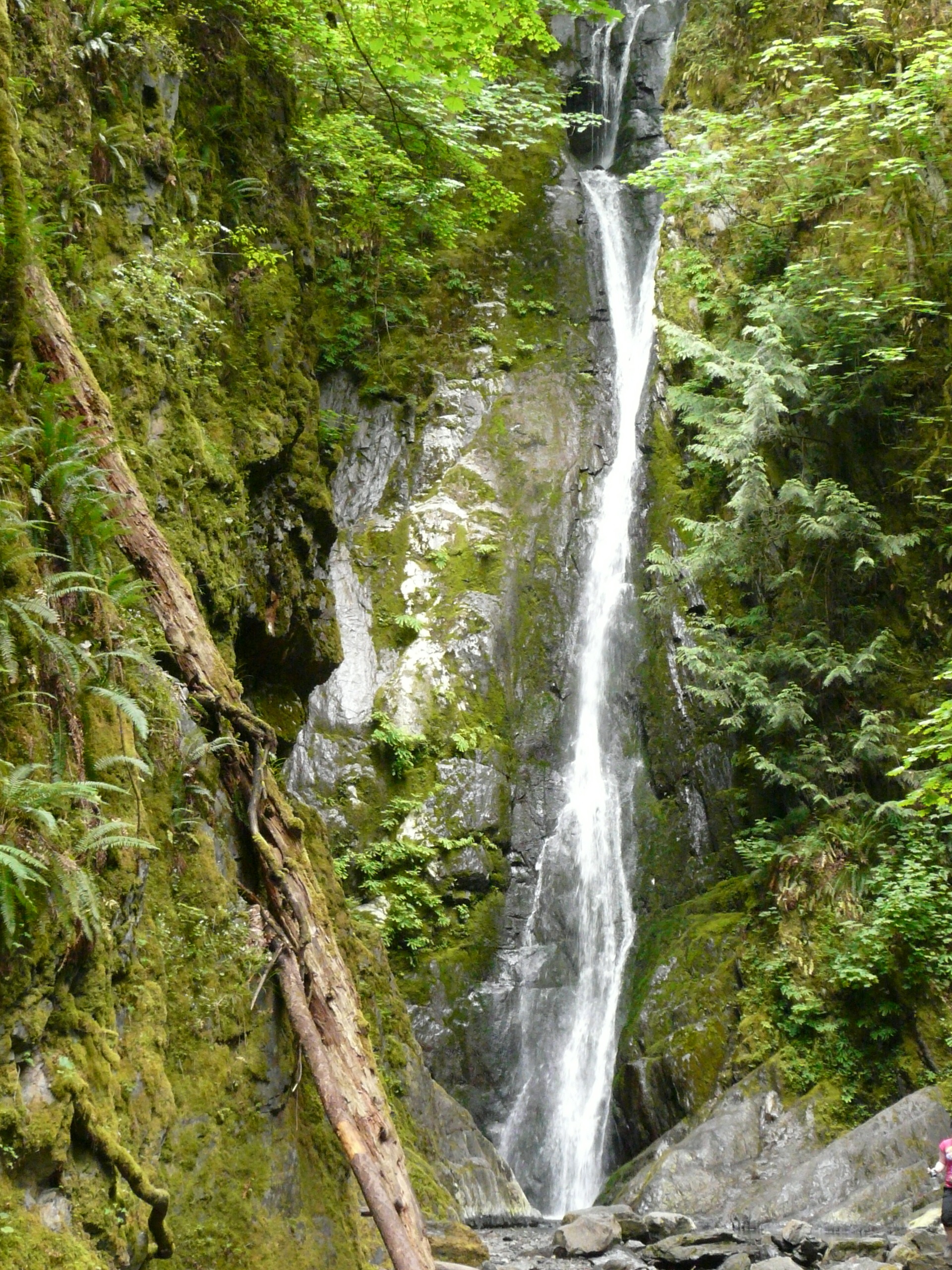
The park boasts diverse trails, from easy, wheelchair-accessible paths near the Visitor Centre to the challenging ascent of Mount Finlayson, one of Greater Victoria's highest points. Along these paths, you might spot various wildlife, including American Dippers near the river, Dark-eyed Juncos and American Robins in the undergrowth, and perhaps even a Mule Deer or American Black Bear. A major highlight is Goldstream's Niagara Falls, a stunning 47.5-meter cascade, and the Goldstream Falls near the campground. The Freeman King Visitor Centre, offering educational displays and programs, serves as an excellent starting point for exploration.
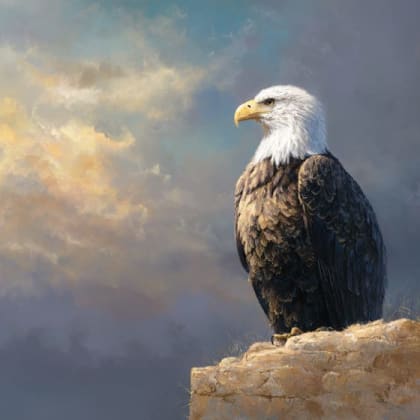
Visiting Goldstream Provincial Park offers a profound connection with nature, whether you're observing the dramatic salmon run and the Bald Eagles it attracts, exploring ancient forests, or enjoying a picnic by the river. Its ever-changing landscape ensures there's something new and exciting to discover each season. From the vibrant wildflowers in spring to the bustling wildlife activity in fall and winter, Goldstream promises memorable experiences for all who venture into its natural embrace. Be ready to snap and learn! Get the Snappit app to identify any nature species you find here.
Goldstream Provincial Park officially came into being in 1958, thanks to a land donation by the Greater Victoria Water Board. Additional lands were incorporated in 1994 and 1996 through the Commonwealth Nature Legacy and Crown Land additions, expanding the park to its current size of 477 hectares. The area has a rich history, with Goldstream River being considered traditional fishing grounds for local First Nations. In 1863, the region experienced a short but intense gold rush, and remnants of abandoned gold diggings can still be found along some of the park's hiking trails, giving the park its name. The Freeman King Visitor Centre, originally constructed in the 1950s for the Victoria Rod and Gun Club, was converted into an educational center in 1976.
Observe the salmon spawning in the Goldstream River.
Watch Bald Eagles and other birds from viewing platforms.
Hike various trails, from easy riverside walks to strenuous mountain ascents.
Visit Niagara Falls and Goldstream Falls.
Explore the educational displays at the Freeman King Visitor Centre.
Enjoy picnics in designated areas.
Camping (year-round, limited services in winter).
Swimming in sections of the Goldstream River near the campground.
Fall: Peak salmon run, vibrant foliage, high Bald Eagle activity. Expect crowds, especially on weekends.
Winter: Prime Bald Eagle viewing, fewer crowds, limited facilities for camping.
Spring: Wildflowers in bloom, returning birds, pleasant for hiking.
Summer: Popular for camping, longer daylight hours, potentially busy.
Conditions near Niagara Falls and trails can change after heavy rain; the tunnel under the highway may be inaccessible.
The Visitor Centre, picnic area, and the main park trail are accessible for strollers and mobility aids, with wide, packed-gravel paths and flat terrain. Some sections of shorter trails are also wheelchair-accessible.
Annual Salmon Run (late October-November)
Bald Eagle viewing (December-February)
Niagara Falls (47.5 meters high)
Goldstream Falls
Each card links to a full Explore page with photos, traits, and fun facts.
Start with the big picture, then zoom in to explore individual wildlife observations around this place.
Visit during the week or early morning during peak season: The park can get very busy, especially on weekends and during the fall salmon run. Arriving early can help avoid crowds and secure parking.
Bring binoculars and a camera
Essential for wildlife viewing, especially for Bald Eagles during the salmon run, which can be observed from viewing platforms or with remote cameras at the Nature House.
Dress in layers and wear appropriate footwear: Trails can be wet, muddy, and rocky, especially near waterfalls or after rain.
Keep pets on a leash and out of the water: This is crucial for their safety and to prevent disturbing wildlife, particularly salmon during their spawning season.
Stay on marked trails
This protects the fragile ecosystem and ensures your safety, especially on rugged trails like Mount Finlayson.
Check tide charts for Finlayson Arm if eagle watching: Eagles are most visible at low tide when spawned-out salmon are exposed.
Jan 18, 2026
Jan 18, 2026
Dec 24, 2025
Nov 29, 2025
Nov 28, 2025

Maryland, US
You might spot White-Tailed Deer and Eastern Gray Squirrel.
View guide →
.jpg)
District of Columbia, US
You might spot Eastern Gray Squirrel, Duck, and House Sparrow.
View guide →

Illinois, US
You might spot American Robin, Canada Goose, and House Sparrow.
View guide →

Virginia, US
You might spot Spotted Lanternfly and Northern Cardinal.
View guide →
Take the discovery with you
Identify the wildlife you spot, learn as you go, and keep a collection of the adventure.