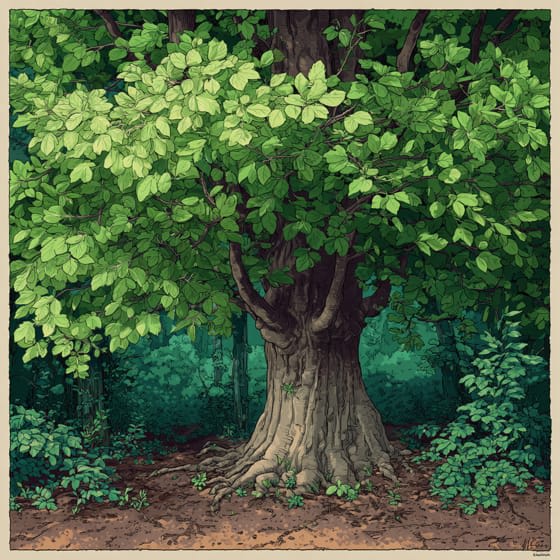





European Hornbeam
Carpinus betulus
The European Hornbeam is a strong tree with a smooth gray bark and lovely green leaves. It grows in a neat, tall shape.
Habitat: Deciduous forests and parks
The European Hornbeam has a distinctive fluted, grey trunk and finely toothed, oval green leaves that turn golden-yellow in autumn. Its unique hop-like, hanging clusters of winged seeds make it stand out, differing from the smooth bark and shiny leaves of a Beech tree.
Category
TreesRarity
Common
Danger
1/5 · Very low
Snaps
Be the first to snap!
Its winged seeds spin like tiny helicopters as they fall, helping them travel far!
Its wood is so strong, it was prized for making durable wagon wheels and tool handles!
People trim Hornbeams into incredible green hedges that can be taller than a house!
The tree's ribbed trunk looks like powerful muscles flexing just beneath its bark!
European Hornbeam has 'marcescence,' holding onto its brown leaves through winter, which can provide shelter for small creatures and protect buds from frost.
Its incredibly tough, fluted trunk allows it to withstand strong winds and heavy snow, acting like natural buttresses for stability.
European Hornbeam can be heavily pruned and shaped, allowing it to regenerate quickly and form dense hedges or living fences.
Sciurus vulgaris
Its nuts are a vital winter food source.
Fringilla coelebs
Feeds on its small winged seeds.
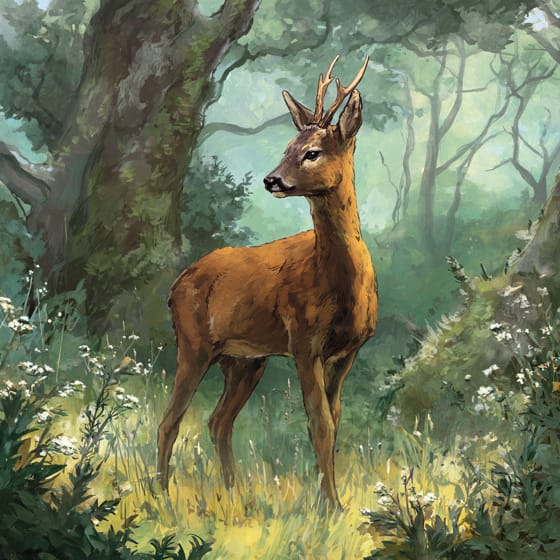
Capreolus capreolus
Deer browse its young shoots and leaves.
Russula cyanoxantha
Forms beneficial root connections.
Deciduous plants periodically shed all their leaves, typically during autumn or dry seasons.
Broadleaf trees are angiosperms characterized by flat, wide leaves that are typically shed annually in temperate climates.
Forest habitats are terrestrial environments dominated by dense tree cover, supporting a high diversity of plant and animal life.
Danger
1/5 · Very low
Do not pick or eat anything you find. Some plants and mushrooms can be harmful.
The easiest way to identify European Hornbeam is to use the Snappit nature identifier app.
15-25 m
8-15 m
No
50-80 cm
150-250 years
Deciduous forests and parks
Winged nutlets
Zoom in to split clusters and explore where this object has been snapped.
Recent snaps will appear here as new observations are added.
Take the discovery with you
Snap it with Snappit to identify it, learn what makes it special, and add the discovery to your collection.









