




Douglas Fir
Pseudotsuga menziesii
The Douglas Fir is a tall tree with soft, flat needles. It has a lovely smell that many people enjoy!
Habitat: Mountainous regions and forests
The Douglas Fir is a majestic evergreen tree with dark green, flat needles. Its thick, deeply furrowed bark is reddish-brown. Distinctive cones have three-pointed bracts that stick out like tiny mouse tails.
Category
TreesRarity
Common
Danger
1/5 · Very low
Snaps
16
If you crush its needles, they release a sweet, citrusy scent!
It's not a 'true fir'! Despite its name, Douglas Fir is in its own special tree group.
Its wood is famous for building, often making strong beams for big structures.
Some Douglas Firs have lived for over 1,300 years, standing tall since ancient times!
Douglas Fir has incredibly thick bark that protects its inner layers from forest fires, helping it survive.
Douglas Fir can grow over 300 feet tall, allowing it to reach sunlight above most other trees.
Douglas Fir has unique cones with little 'mouse tails' (bracts) that help seeds catch the wind and fly further.
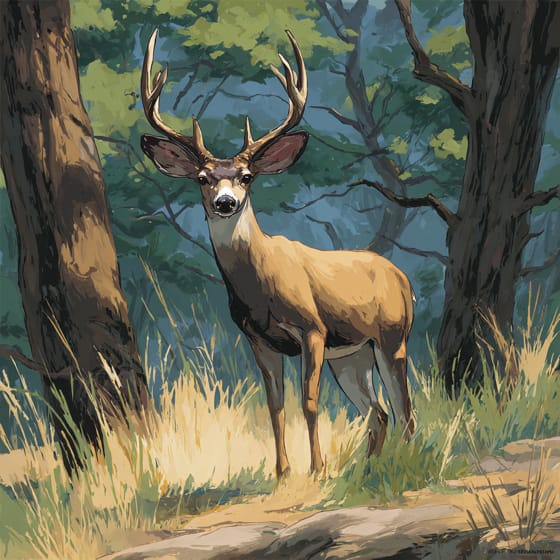
Odocoileus hemionus
Young trees and seedlings are browsed by deer.

Sciurus griseus
Squirrels gather and eat the nutritious seeds from the cones.
Strix occidentalis
Mature Douglas Firs provide crucial nesting sites for these owls.
Rhizopogon vinicolor
Fungi help the tree absorb nutrients from the soil.
Coniferous plants are typically evergreen, bearing needles or scales and reproductive cones.
Evergreen plants retain their foliage throughout the year, never shedding all their leaves at once.
Fragrant flowers emit a pleasant aroma, often to attract pollinators or for defense.
Timber refers to wood that has been prepared for use in building and carpentry.

This habitat trait identifies species found in mountainous regions, characterized by high elevation, steep slopes, and varying climate zones.

Forest habitats are terrestrial environments dominated by dense tree cover, supporting a high diversity of plant and animal life.
This habitat trait identifies species found in temperate rainforests, characterized by significant rainfall, mild temperatures, and dense evergreen or deciduous forests in coastal regions.
Danger
1/5 · Very low
Do not pick or eat anything you find. Some plants and mushrooms can be harmful.
The easiest way to identify Douglas Fir is to use the Snappit nature identifier app.
30-100 m
8-20 m
No
100-400 cm
200-1000 years
Mountainous regions and forests
Cone
Zoom in to split clusters and explore where this object has been snapped.

British Columbia, CA
You might spot Oregon Grape, Shinyleaf Meadowsweet, and Bush Penstemon.
View guide →
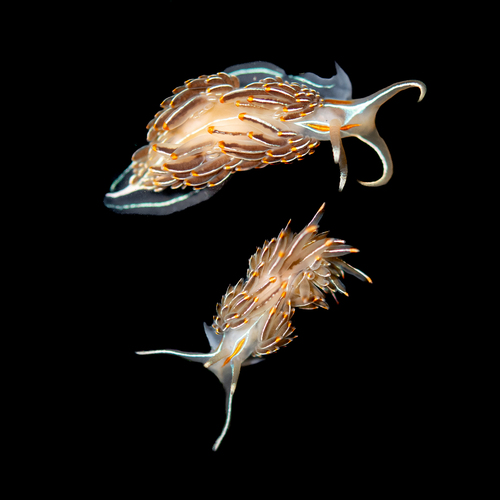
Washington, US
You might spot Horned Nudibranch and Madrone Skin Miner.
View guide →
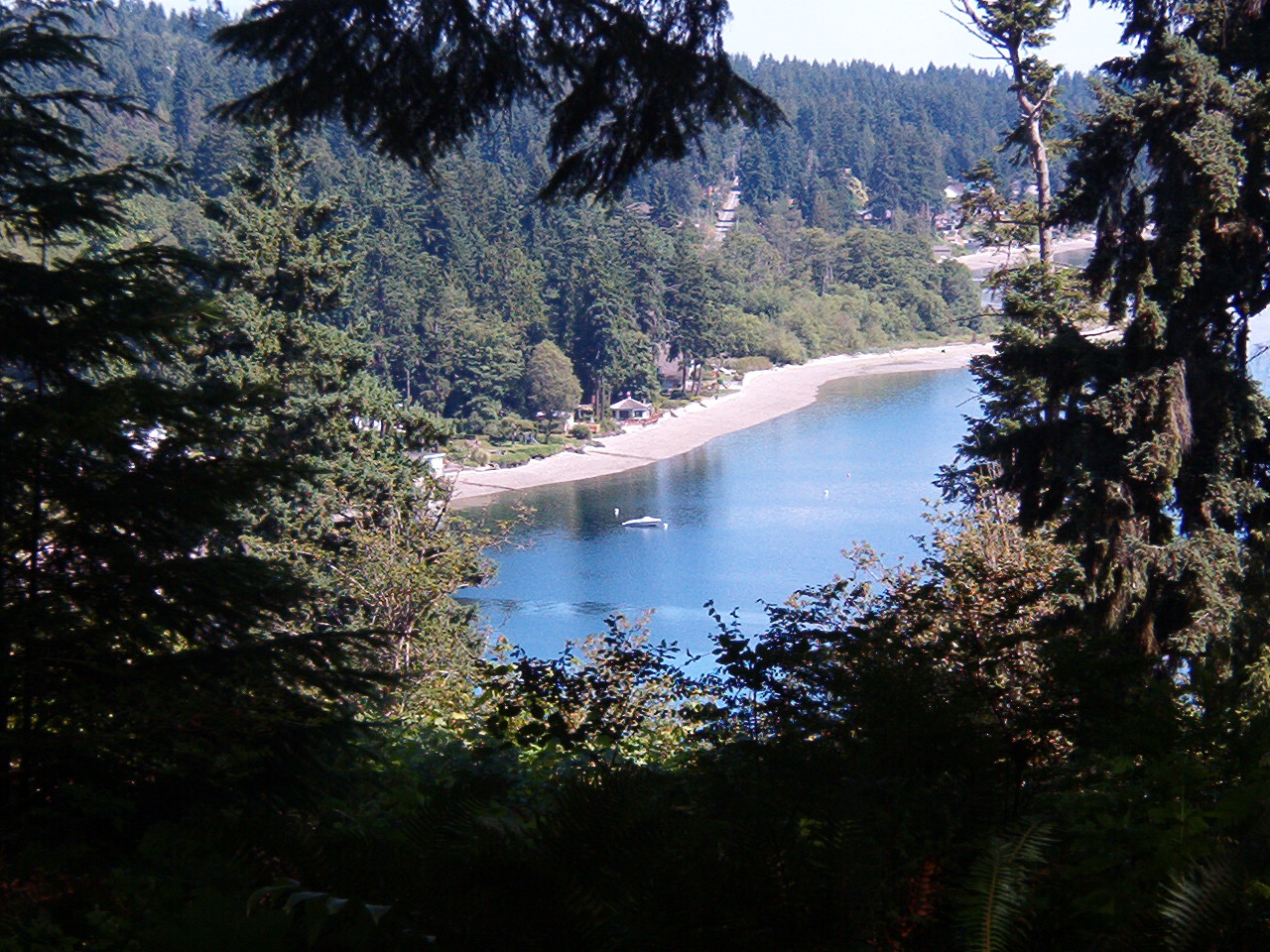
Washington, US
You might spot Surf Scoter, Horned Grebe, and Salmonberry.
View guide →
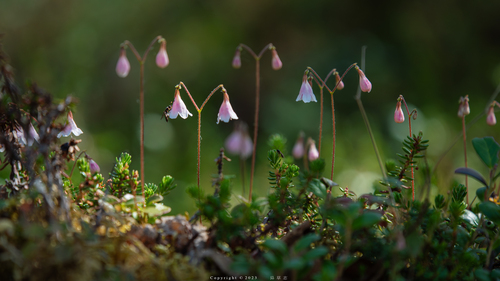
British Columbia, CA
You might spot Twinflower and Western Rattlesnake Plantain.
View guide →
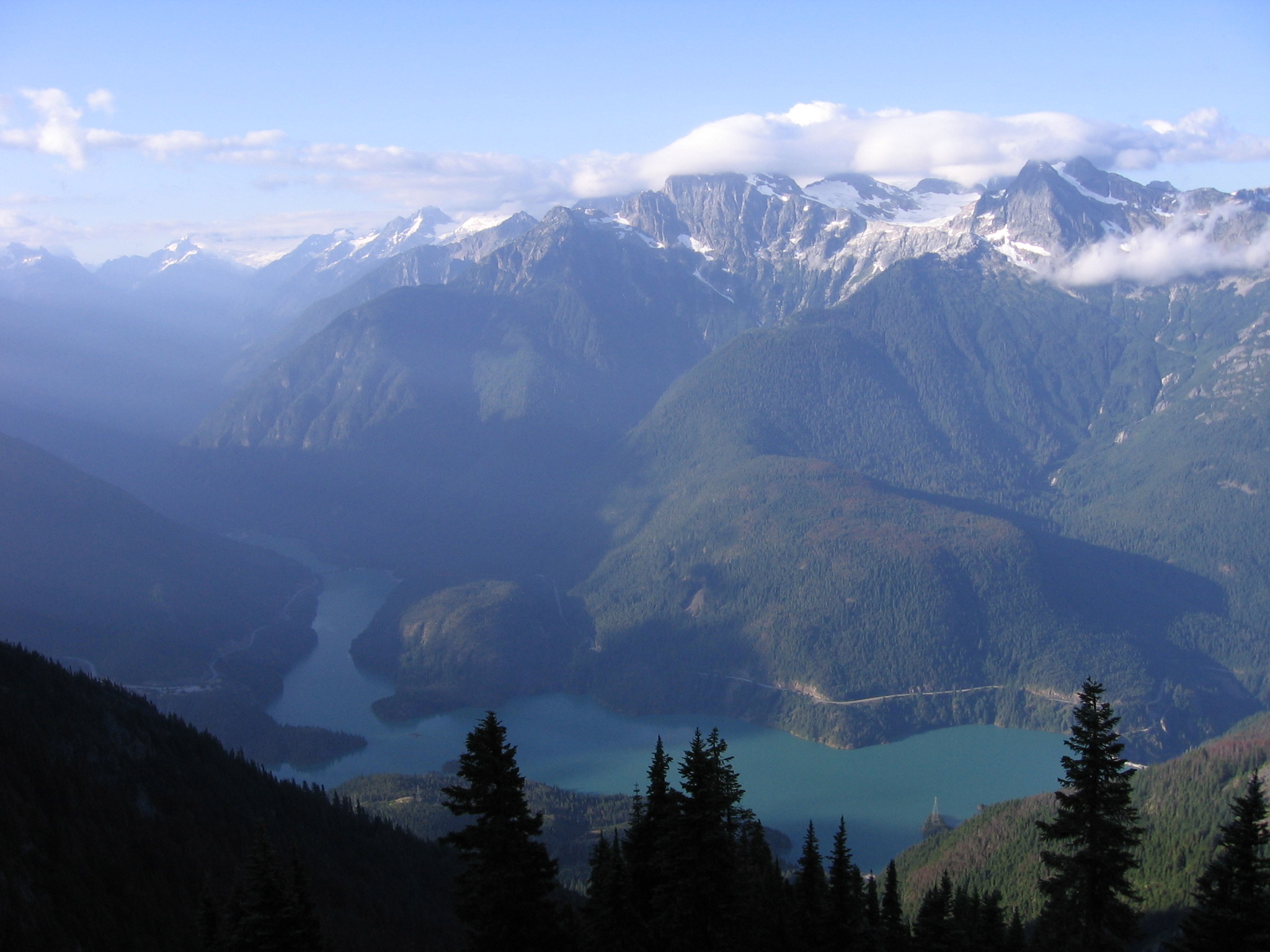
Washington, US
You might spot Cascade Oregon-Grape, Douglas Fir, and Salal.
View guide →

British Columbia, CA
You might spot Bald Eagle, Great Blue Heron, and Seal.
View guide →
Take the discovery with you
Snap it with Snappit to identify it, learn what makes it special, and add the discovery to your collection.












