





European Mantis
Mantis religiosa
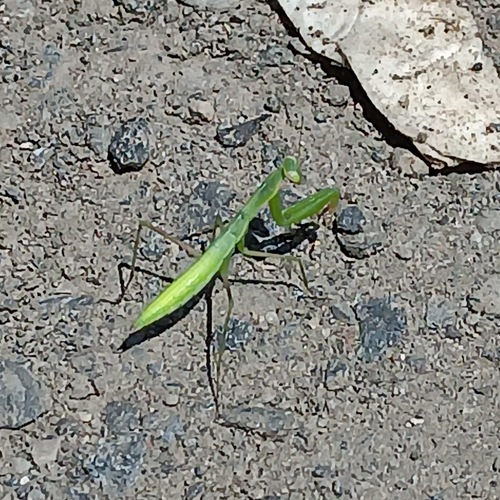
The European Mantis is a green insect known for its unique shape and big eyes. It loves to sit quietly and wait for its food, which is usually other insects. They are fun to watch as they move their heads to look around!
Habitat: Grasslands
The European Mantis has an elongated body, often green or brown, perfectly camouflaged among plants. It features a distinctive triangular head with large eyes and powerful, spiky forelegs held in a 'praying' position.
Category
InsectsRarity
Common
Danger
1/5 · Very low
Snaps
39
Despite their fierce look, mantises are harmless to humans and even eat garden pests!
Mantis means 'prophet' in Greek, referring to its prayer-like posture!
Some people keep mantises as pets because they are so fascinating to watch!
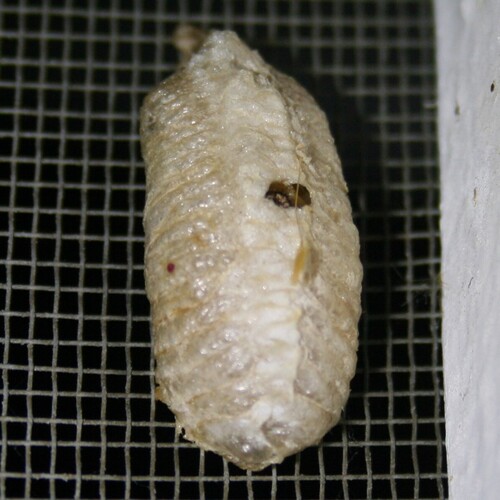
They lay their eggs in a foamy case called an ootheca, which hardens to protect them.
European Mantis can blend seamlessly into its surroundings because of its amazing camouflage, helping them ambush unsuspecting prey.
European Mantis can snap its spiky forelegs shut in a blink because of specialized muscles, helping them catch fast-moving insects.
European Mantis can rotate its triangular head 180 degrees that helps them scan for danger and prey without moving their body.
European Mantis has excellent depth perception that helps them judge distances precisely before launching a surprise attack.
This skilled hunter eats many kinds of insects and small creatures in a flash!
Musca domestica
a common source of food for the mantis

Gryllus campestris
a frequently caught insect by adult mantises
Apis mellifera
sometimes catches these pollinators with its quick strike

Lanius collurio
these predatory birds can hunt adult mantises
Solitary animals live alone for most of their lives, only interacting with others for mating or parental care.
Camouflaged describes organisms that possess coloring or patterns that allow them to blend into their environment.
Grassland habitats are terrestrial biomes dominated by grasses and herbaceous plants, supporting a variety of grazing animals.
This trait identifies organisms whose diet primarily consists of insects and other small invertebrates.

An ambush predator hunts by patiently waiting and concealing itself, then launching a sudden attack when unsuspecting prey comes within range.

This trait identifies organisms whose diet consists entirely or primarily of animal tissue.
No aliases listed yet.
Danger
1/5 · Very low
Don't touch insects without asking an adult, as some might bite.
The easiest way to identify European Mantis is to use the Snappit nature identifier app.
60-80 mm
40-75 mm
180-365 days
This skilled hunter eats many kinds of insects and small creatures in a flash!
Grasslands
Ambush
6
Zoom in to split clusters and explore where this object has been snapped.
Jun 1, 2026
James Cant RanchPhoto attribution
(c) John Clonce, some rights reserved (CC BY)
License: CC BY 4.0 ↗
Image may be shown cropped inside the card frame.
Jul 6, 2024
Chenango County Courthouse DistrictPhoto attribution
(c) Dominic McLean, some rights reserved (CC BY)
License: CC BY 4.0 ↗
Image may be shown cropped inside the card frame.

New York, US
You might spot Bald Eagle, Common Reed, and Ring-Billed Gull.
View guide →

Andalusia, ES
You might spot Tiger, African Lion, and Delonix.
View guide →

Massachusetts, US
You might spot Eastern Skunk Cabbage and Eastern Bluebird.
View guide →

California, US
You might spot Pacific Banana Slug and Ensatina.
View guide →

Pennsylvania, US
You might spot Duck, Staghorn Sumac, and American Robin.
View guide →

New York, US
You might spot Northern Cardinal and Eastern Gray Squirrel.
View guide →
Take the discovery with you
Snap it with Snappit to identify it, learn what makes it special, and add the discovery to your collection.










.jpg&width=800)




