





Trapdoor Spider
Mygalomorphae
The Trapdoor Spider makes a cozy little home by creating a trapdoor out of silk and dirt. They are excellent hunters, waiting patiently for their next meal!
Habitat: Grasslands and forests
The Trapdoor Spider is a stout, dark-colored arachnid, typically brown or black, with a robust abdomen and strong, hairy legs. Its body often appears velvety or slightly shiny, making it distinct from many slender web-building spiders.
Category
InsectsRarity
Common
Danger
2/5 · Low
Snaps
Be the first to snap!
Each trapdoor spider builds its own perfect, camouflaged home from scratch!
Some female trapdoor spiders can live for over 20 years!
Their secret trapdoors have a clever silk hinge, just like a real door!
They feel tiny ground vibrations to know exactly when dinner is passing by.
Trapdoor Spider can build an amazing camouflaged door because it has powerful fangs and sticky silk, helping them hide their burrow entrance.
Trapdoor Spider has super-sensitive hairs on its legs that help them feel tiny vibrations, allowing for lightning-fast ambush attacks on prey.
Trapdoor Spider can produce strong silk that helps them line their burrows, hinge their trapdoors, and even secure their eggs safely.
Trapdoor Spider can live for many years, especially females, because their hidden, secure burrows protect them from predators and harsh weather.
Trapdoor spiders are stealthy hunters that eat insects and other small creatures passing by their hidden doors.
Pepsis formosa
A powerful wasp that preys on spiders.
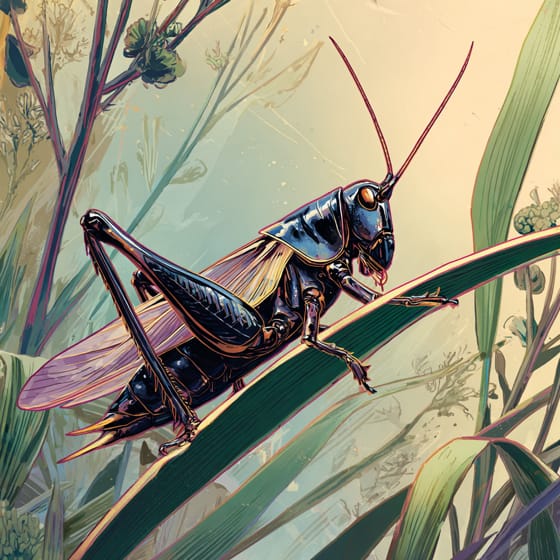
Gryllus assimilis
Ambushes crickets from its hidden burrow.
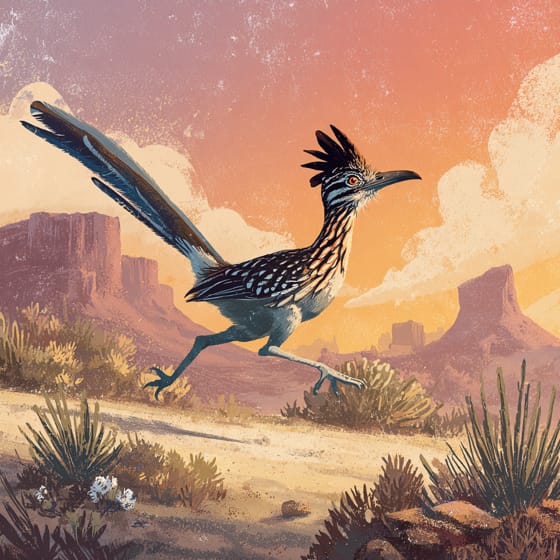
Geococcyx californianus
A quick bird that can unearth spiders.
Formica fusca
Catches various ants that walk over its trapdoor.
Wildlife encompasses all undomesticated animal and plant life existing in their natural habitats.
Solitary animals live alone for most of their lives, only interacting with others for mating or parental care.
Burrowing animals dig tunnels and chambers in the ground, using these subterranean structures for shelter, hunting, or breeding.
Grassland habitats are terrestrial biomes dominated by grasses and herbaceous plants, supporting a variety of grazing animals.

An ambush predator hunts by patiently waiting and concealing itself, then launching a sudden attack when unsuspecting prey comes within range.

Forest habitats are terrestrial environments dominated by dense tree cover, supporting a high diversity of plant and animal life.

This trait identifies organisms whose diet consists entirely or primarily of animal tissue.

Nocturnal animals are primarily active during the nighttime hours, typically resting or sleeping during the day.
Danger
2/5 · Low
Do not touch or pick up. Some insects sting or bite. Ask an adult for help.
The easiest way to identify Trapdoor Spider is to use the Snappit nature identifier app.
10-30 mm
1825-7300 days
Trapdoor spiders are stealthy hunters that eat insects and other small creatures passing by their hidden doors.
Grasslands and forests
Ambush
8
Zoom in to split clusters and explore where this object has been snapped.
Recent snaps will appear here as new observations are added.
Take the discovery with you
Snap it with Snappit to identify it, learn what makes it special, and add the discovery to your collection.








.jpg&width=800)



