





Galápagos Marine Iguana
Amblyrhynchus cristatus
The Galápagos Marine Iguana is a unique lizard that can swim in the ocean. It has dark skin and spiky crests on its back. These iguanas love basking in the sun on rocky shores.
Habitat: Coastal areas
The Galápagos Marine Iguana is a uniquely dark-colored lizard, often black or mottled grey, with some individuals displaying reddish or greenish hues during breeding. It has a prominent spiky dorsal crest, a blunt snout, and a flattened, paddle-like tail, making it visually distinct from land iguanas.
Category
ReptilesRarity
Common
Danger
1/5 · Very low
Snaps
Be the first to snap!
Male marine iguanas turn stunning shades of red and green during breeding season to attract mates.
Marine iguanas can shrink their own body length and bone size when food is scarce, then grow back!
Their unique, comb-like teeth are perfect for scraping tough algae off underwater volcanic rocks.
They often pile on top of each other in 'iguana pyramids' to share warmth from the sun after swimming.
Galápagos Marine Iguana has special nasal glands that help them filter and expel excess salt, allowing them to drink seawater.
Galápagos Marine Iguana can dive deep to scrape algae because of its sharp, serrated teeth and flattened tail for propulsion.
Galápagos Marine Iguana has very dark skin that helps them absorb maximum heat from the sun after cold dives.
Galápagos Marine Iguana has powerful claws that help them cling to slippery rocks, even in strong ocean currents.
They are vegetarians of the sea, primarily munching on algae scraped from underwater rocks.
Buteo galapagoensis
Hunts adults and juveniles.
Butorides sundevalli
Preys on hatchlings and small juveniles.
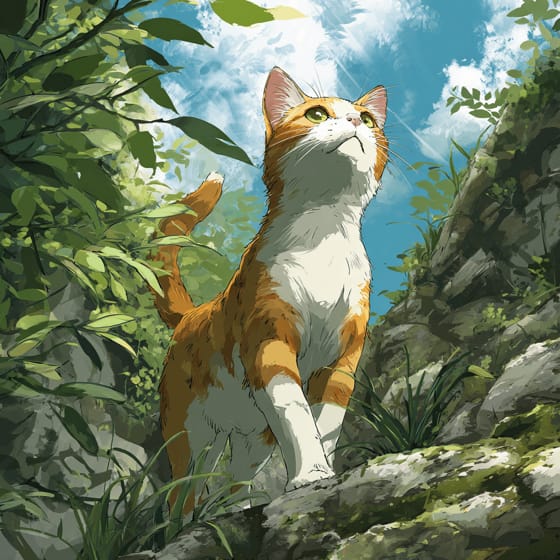
Felis catus
Introduced predator hunting juveniles.
Wildlife encompasses all undomesticated animal and plant life existing in their natural habitats.
This trait characterizes organisms whose diet consists entirely or primarily of plant material.
Thermoregulating organisms maintain a stable internal body temperature despite fluctuations in the external environment.
This habitat trait describes species found in volcanic regions, including areas with recent lava flows, volcanic ash, or on volcanic islands, often characterized by unique soil compositions.

Possessing sharp, pointed projections or spines on the body or surface.

Coastal habitats are dynamic environments located along the interface between land and sea, influenced by tides, waves, and saltwater.

Diurnal animals are primarily active during daylight hours, typically resting or sleeping at night.

Marine habitats encompass all saltwater environments of the Earth's oceans, supporting an immense diversity of aquatic life.
Danger
1/5 · Very low
Do not disturb marine iguanas in their natural habitat to keep them safe.
The easiest way to identify Galápagos Marine Iguana is to use the Snappit nature identifier app.
50-130 cm
0.5-10 kg
10-20 years
12 km/h
They are vegetarians of the sea, primarily munching on algae scraped from underwater rocks.
15 km/h
Coastal areas
Zoom in to split clusters and explore where this object has been snapped.
Recent snaps will appear here as new observations are added.
Take the discovery with you
Snap it with Snappit to identify it, learn what makes it special, and add the discovery to your collection.















