


Cottonmouth
Agkistrodon piscivorus
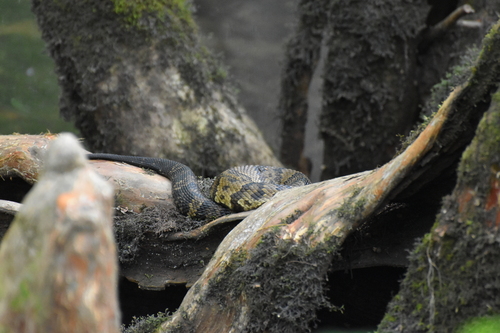
The Cottonmouth, also known as the Water Moccasin, is a semi-aquatic snake. It has a thick body and can often be seen swimming in water.
Habitat: Swamps, rivers, and wetlands.
The Cottonmouth is a stout, heavy-bodied snake, typically dark olive, brown, or black, often with faded crossbands. It has a distinctive triangular head with keeled scales and a light-colored, upward-sloping snout.
Category
ReptilesRarity
Rare
Danger
5/5 · Extreme
Snaps
41
Baby cottonmouths have a bright yellow tail tip which they wiggle to lure unsuspecting prey!
Cottonmouths can play dead by staying perfectly still when they feel threatened!
They are also known as 'water moccasins' because they often live near water.
This snake is the only venomous water snake found in North America!
Cottonmouth can detect warm-blooded prey using heat-sensing pits on its face, which helps them hunt in darkness.
Cottonmouth can hunt fish and frogs in water because it is semi-aquatic and a strong swimmer.
Cottonmouth has a bright white mouth interior that it flashes open as a warning, startling predators.
Cottonmouth has powerful venom that helps them quickly subdue their prey and defend against threats.
Eats fish, frogs, and small animals found in or near the water.
Age differences: Young cottonmouths primarily eat insects and small invertebrates, shifting to vertebrates as they grow.
Lithobates catesbeianus
Eats these large frogs found near water.
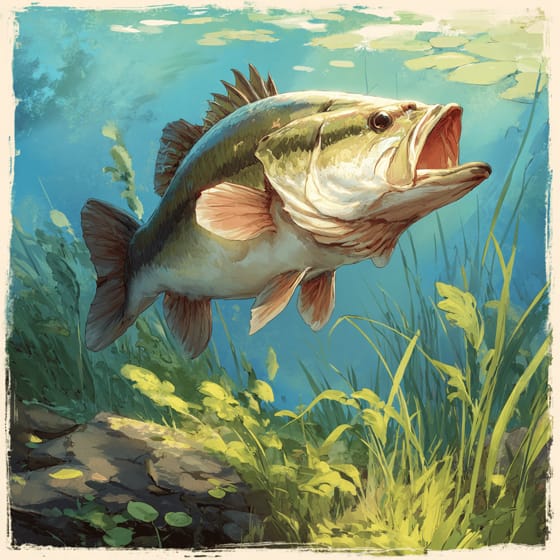
Micropterus salmoides
Preys on smaller or sick fish in aquatic habitats.
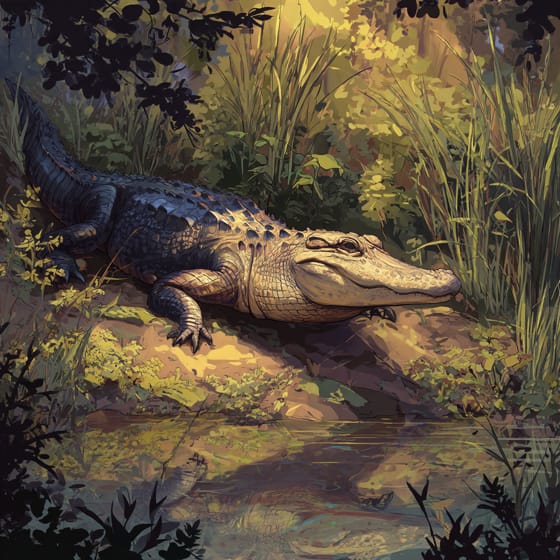
Alligator mississippiensis
Adult alligators are known predators of cottonmouths.
_(11-8-13)_ben-rio_grande_state_park%2C_mission%2C_tx_-01_(10750151035).jpg&width=800)
Sigmodon hispidus
Captures these rodents near water sources.
Piscivorous organisms are animals that primarily subsist on a diet of fish.
Thermoregulating organisms maintain a stable internal body temperature despite fluctuations in the external environment.
An ambush predator hunts by patiently waiting and concealing itself, then launching a sudden attack when unsuspecting prey comes within range.
This trait signifies organisms belonging to a very old evolutionary group with ancestors dating back millions of years.

This habitat trait identifies species found in wetlands, which are areas of land saturated with water, either permanently or seasonally, including marshes, swamps, and bogs.

Aquatic habitats encompass environments where organisms live predominantly in water, including oceans, rivers, lakes, and wetlands.

Nocturnal animals are primarily active during the nighttime hours, typically resting or sleeping during the day.

Venomous organisms produce toxins that are injected into another animal, typically through a bite or sting.
Danger
5/5 · Extreme
Look but don’t touch. Keep a safe distance and wash hands after exploring.
The easiest way to identify Cottonmouth is to use the Snappit nature identifier app.
75-120 cm
0.2-1.5 kg
10-20 years
3 km/h
Eats fish, frogs, and small animals found in or near the water.
5 km/h
Swamps, rivers, and wetlands.
Zoom in to split clusters and explore where this object has been snapped.
May 9, 2026
Francis Beidler ForestPhoto attribution
(c) Ryan Watson, some rights reserved (CC BY)
License: CC BY 4.0 ↗
Image may be shown cropped inside the card frame.

Louisiana, US
You might spot Brown Anole, White Ibis, and Duck.
View guide →

Louisiana, US
You might spot Mississippi River Wakerobin and Lyreleaf Sage.
View guide →

Arkansas, US
You might spot Water Tupelo, Banded Watersnake, and Prothonotary Warbler.
View guide →
Arkansas, US
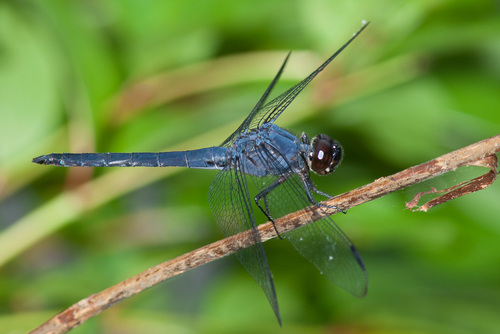
You might spot Slaty Skimmer and Common Eastern Bumble Bee.
View guide →

Alabama, US
You might spot Chinese Tallow and Marbled Salamander.
View guide →

Alabama, US
You might spot Duck, White Clover, and American Coot.
View guide →
Take the discovery with you
Snap it with Snappit to identify it, learn what makes it special, and add the discovery to your collection.