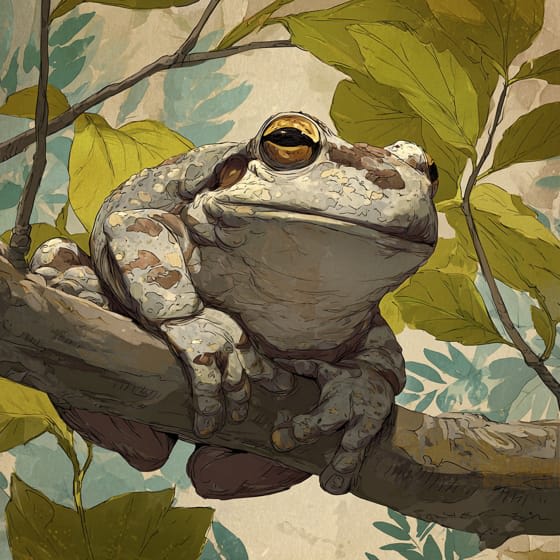





Gray Tree Frog
Hyla versicolor
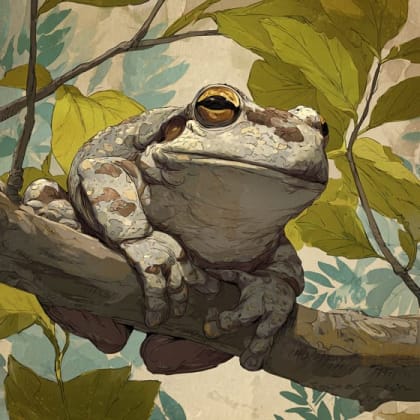
The Gray Tree Frog is a cool little frog that can change color! They are great at climbing trees.
Habitat: Forests and wooded areas
The Gray Tree Frog has warty, bumpy skin and can change its color from gray to brown or green to match its surroundings. It features large, sticky toe pads for climbing and often reveals a flash of bright yellow or orange on its inner thighs when hopping.
Category
AmphibiansRarity
Common
Danger
2/5 · Low
Snaps
48
Male frogs develop a dark throat patch when they are ready to mate.
Tadpoles flash bright red tails to scare away hungry fish!
These frogs spend almost all their adult lives high up in tree canopies.
They use their long, sticky tongue to catch small insects and spiders!
Gray Tree Frog has giant, sticky toe pads that help them cling to almost any surface, even smooth glass, high in trees.
Gray Tree Frog can survive being frozen solid because of a special 'antifreeze' in their blood, protecting them through winter.
Gray Tree Frog can make a very loud, trilling call that helps them attract mates and define their territory.
They are insectivores, mostly munching on various small insects and spiders found in trees.
Age differences: Tadpoles eat algae and detritus; adults are insectivores.
Thamnophis sirtalis
One of their primary snake predators.

Strix varia
These nocturnal owls may snatch frogs from branches.
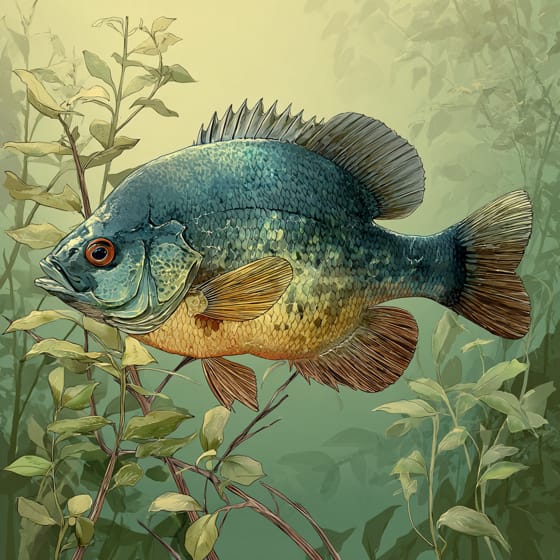
Lepomis macrochirus
Bluegill fish prey on their eggs and tadpoles in ponds.
Ostrinia nubilalis
Adult frogs prey on various moths and other insects.
Singing animals produce complex vocalizations, often for purposes of attracting mates, defending territory, or communicating within their species.
Arboreal animals live primarily in trees, utilizing them for shelter, food, and protection from predators.
Camouflaged describes organisms that possess coloring or patterns that allow them to blend into their environment.
This trait identifies organisms whose diet primarily consists of insects and other small invertebrates.

This trait signifies organisms belonging to a very old evolutionary group with ancestors dating back millions of years.

Forest habitats are terrestrial environments dominated by dense tree cover, supporting a high diversity of plant and animal life.

Freshwater habitats include non-saline aquatic environments such as rivers, lakes, ponds, and wetlands, vital for numerous species.

Regenerative organisms possess the ability to regrow lost or damaged body parts, tissues, or organs.

Nocturnal animals are primarily active during the nighttime hours, typically resting or sleeping during the day.
Danger
2/5 · Low
Look but don’t touch. Keep a safe distance and wash hands after exploring.
The easiest way to identify Gray Tree Frog is to use the Snappit nature identifier app.
3.8-6 cm
0.005-0.015 kg
5-9 years
They are insectivores, mostly munching on various small insects and spiders found in trees.
Forests and wooded areas
Ambush
1000-2000
Zoom in to split clusters and explore where this object has been snapped.

Rhode Island, US
You might spot Common Mugwort, Duck, and Azure Bluet.
View guide →
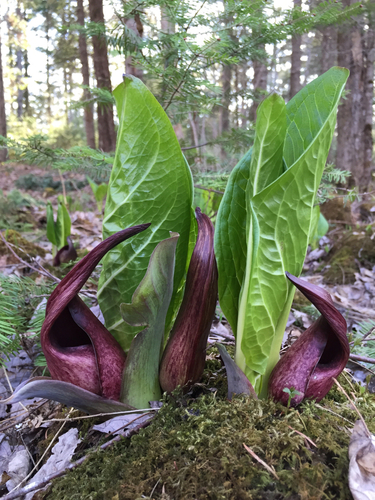
Connecticut, US
You might spot Eastern Skunk Cabbage and Eastern White Pine.
View guide →
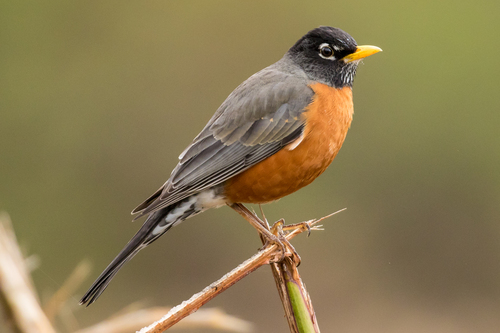
Virginia, US
You might spot American Robin, Red Fox, and Northern Cardinal.
View guide →
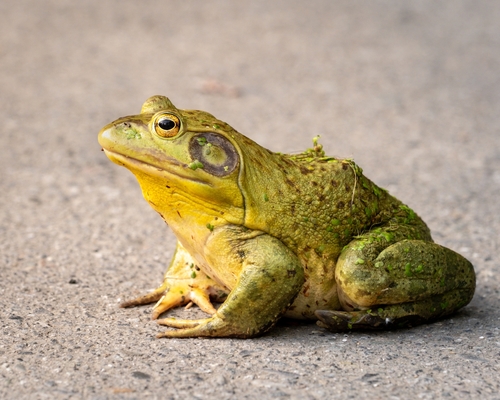
Virginia, US
You might spot American Bullfrog, Great Blue Heron, and Snapping Turtle.
View guide →

Connecticut, US
You might spot Spongy Moth and Eastern Tent Caterpillar Moth.
View guide →

Massachusetts, US
You might spot Eastern Newt and Eastern Red-Backed Salamander.
View guide →
Take the discovery with you
Snap it with Snappit to identify it, learn what makes it special, and add the discovery to your collection.







.JPG&width=800)


.jpg&width=800)

