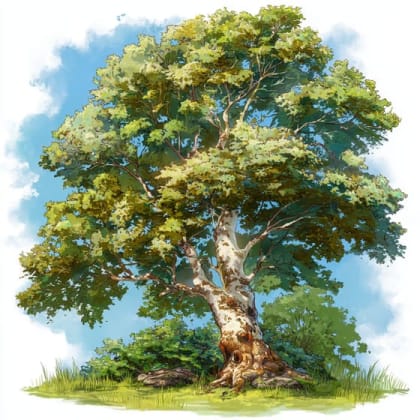
American Sweetgum
Shepherd Parkway offers a remarkable natural retreat in Southeast Washington, D.
Shepherd Parkway offers a remarkable natural retreat in Southeast Washington, D.C., where the vibrancy of city life meets the tranquility of a historic forested landscape. Spanning nearly 200 acres, this long, narrow greenway is characterized by its mature wooded forests and rugged terrain, providing a crucial urban oasis for both wildlife and nature enthusiasts. It is a place steeped in history, serving as a silent testament to the Civil War, with the enduring earthwork remains of Fort Greble and Fort Carroll still visible within its bounds.
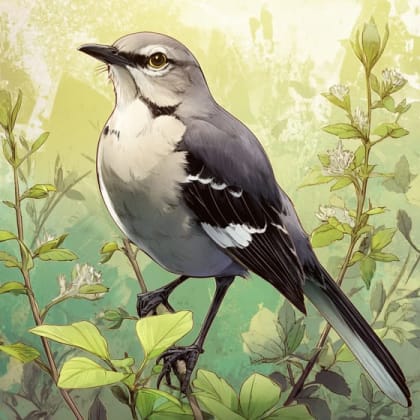
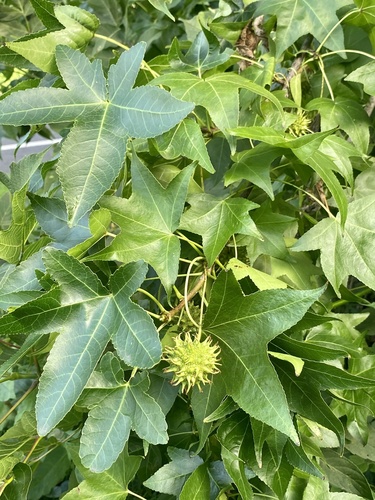
The park's diverse habitats support a rich array of flora and fauna. Towering trees like American sweetgum, red maple, oak, and hickory dominate the landscape, providing shelter and sustenance for numerous species. Visitors might spot Eastern Gray Squirrels scampering up trees or Eastern Cottontails darting through the undergrowth. Birdwatchers can delight in the presence of Mourning Doves, American Robins, Northern Cardinals, and Northern Mockingbirds, while the elusive bald eagle has also been noted to nest within the park. The keen eye might also discover fascinating insects such as Monarch butterflies and Asian Lady Beetles, or amphibians like Eastern Red-backed Salamanders and Gray Treefrog Species Complex.
Shepherd Parkway is an invaluable destination for those seeking to connect with nature and history without leaving the city. It offers opportunities for quiet contemplation, invigorating hikes, and a chance to explore significant Civil War fortifications. While efforts continue to enhance its accessibility and address challenges like invasive species, the park's raw beauty and historical depth make it a memorable experience. Its panoramic views of the Potomac River in the colder months add another layer of appeal, inviting repeat visits throughout the year. Wondering what that bird or insect is? Find out on your visit using the Snappit nature app.
Shepherd Parkway's history is deeply intertwined with the defense of the nation's capital during the American Civil War. In 1861, the Union Army hastily constructed a ring of hilltop forts, including Fort Greble and Fort Carroll, within what is now Shepherd Parkway, to protect Washington D.C. from Confederate invasion. These sites were not only strategic defensive points but also served as training grounds for soldiers. African Americans escaping slavery found refuge and employment near these forts during this tumultuous period. After the war concluded in 1865, the forts were abandoned, and much of the land reverted to woodlands and private ownership. The area eventually came under the protection of the National Park Service in 1933, following its acquisition by the National Capital Parks and Planning Commission in 1927. The original intention was to create a "Fort Drive" connecting Civil War forts, a vision that was never fully realized, but nonetheless preserved Shepherd Parkway as a significant urban green space.
Explore the historic Civil War fort remains.
Hike the informal trails (note: formal, maintained trails are currently limited but are being advocated for).
Engage in birdwatching and wildlife spotting.
Photography of nature and historical sites.
Enjoy the natural serenity of a wooded urban park.
Spring: Emergence of new foliage, wildflowers (though not explicitly mentioned for this park, common in wooded areas), and migratory bird activity.
Summer: Lush green canopy, providing shade. Good for observing insects like Monarch butterflies.
Fall: Potential for colorful foliage (general for wooded areas, not specifically documented for Shepherd Parkway).
Winter: Best for panoramic views across the Potomac River due to bare trees.
Shepherd Parkway currently lacks extensive formal trail access or clear signage, with many trails being informal paths. While the National Capital Parks-East headquarters is wheelchair accessible, the park itself generally has limited accessibility for individuals with mobility challenges. There are ongoing community efforts advocating for the development of natural-surface hiking trails.
Earthwork remains of Fort Greble and Fort Carroll.
Mature wooded forests with diverse tree species.
Opportunities for wildlife viewing, including birds and small mammals.
Panoramic views of the Potomac River during leafless seasons.
Each card links to a full Explore page with photos, traits, and fun facts.
Start with the big picture, then zoom in to explore individual wildlife observations around this place.
Wear sturdy footwear suitable for uneven and potentially rugged terrain, as many trails are informal.
Bring binoculars for bird and wildlife observation, as the park is rich in avian species and small mammals.
Consider visiting in winter or early spring for unobstructed, panoramic views across the Potomac River.
Be prepared for outdoor conditions, including bringing water and sun protection, especially during warmer months.
Respect the natural environment by staying on existing paths and packing out any trash, supporting ongoing community efforts to maintain the park's cleanliness.
If exploring the fort remains, remember they are historical earthworks, not restored structures, and appreciate their historical context.
Jan 28, 2026
Jan 27, 2026
Jan 11, 2026
Oct 11, 2025
Jul 12, 2025

Maryland, US
You might spot White-Tailed Deer and Eastern Gray Squirrel.
View guide →
.jpg)
District of Columbia, US
You might spot Eastern Gray Squirrel, Duck, and House Sparrow.
View guide →

Illinois, US
You might spot American Robin, Canada Goose, and House Sparrow.
View guide →

Virginia, US
You might spot Spotted Lanternfly and Northern Cardinal.
View guide →
Take the discovery with you
Identify the wildlife you spot, learn as you go, and keep a collection of the adventure.