Bluegill
Lepomis macrochirus
The Bluegill is a cheerful little fish with a round shape and bright colors. They are friendly and often seen in ponds and lakes!
Habitat: Ponds and lakes
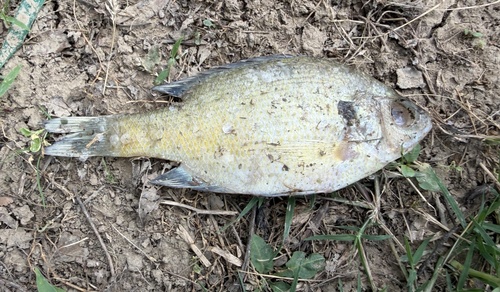
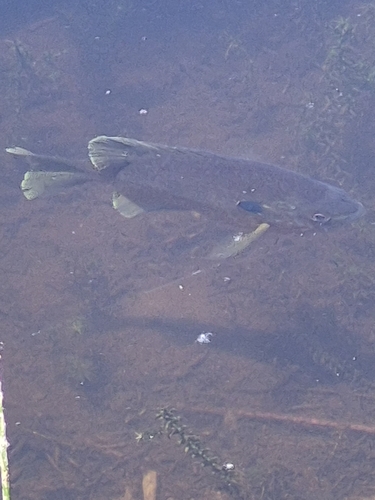
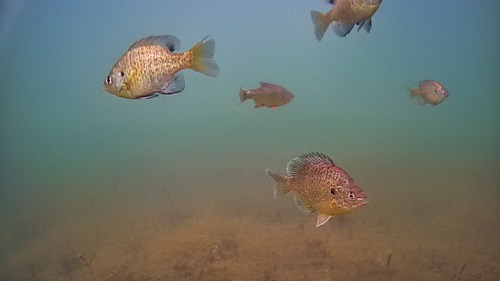
The Bluegill has a dark olive-green back that fades into a yellowish belly, often with 6-8 dusky vertical bars on its sides. Its most distinct feature is a prominent black 'ear flap' on the gill cover, which helps differentiate it from other sunfish.
Category
FishRarity
Common
Danger
2/5 · Low
Snaps
77
Bluegills can change the brightness of their stripes to show off or hide from danger!
Male Bluegills are super dads, guarding their eggs fiercely until they hatch!
Their 'ear flap' is actually part of its gill cover and helps protect its delicate gills!
They sometimes hybridize with other sunfish, creating unique fish with mixed traits!
Bluegill has keen vision that helps them spot tiny insects and aquatic prey, even in murky waters.
Bluegill can dig saucer-shaped nests on lake bottoms to protect their precious eggs and young.
Bluegill has taste buds all over its mouth, helping it find yummy food even in the dark.
Bluegills munch on tiny critters, plants, and even fish eggs.
Age differences: Young Bluegills eat mostly zooplankton, while adults add bigger insects and small fish.
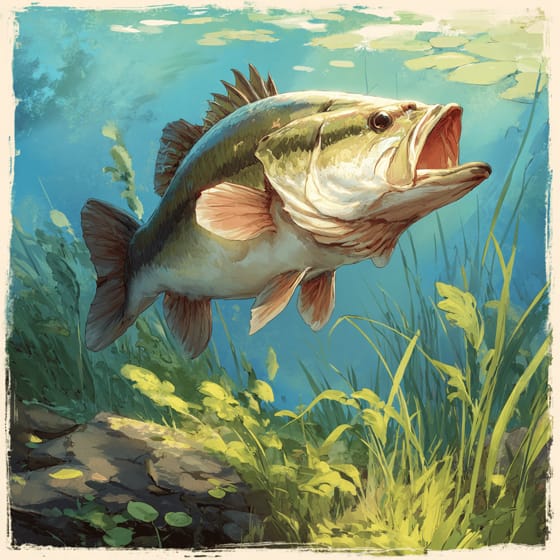
Micropterus salmoides
a top fish predator.
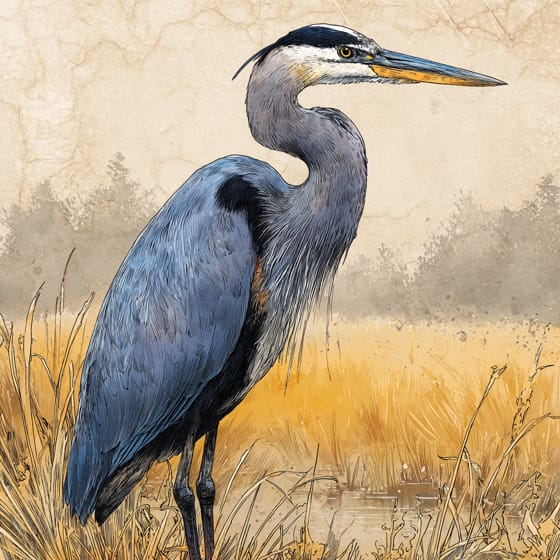
Ardea herodias
wades in shallows to spear.
Chaoborus americanus
larvae are a favorite meal.
Wildlife encompasses all undomesticated animal and plant life existing in their natural habitats.
Social animals live in organized groups, cooperating for survival benefits such as foraging, defense, and raising offspring.
Colorful describes organisms or objects displaying a wide range of bright and distinct colors.
This trait identifies organisms whose diet primarily consists of insects and other small invertebrates.

Freshwater habitats include non-saline aquatic environments such as rivers, lakes, ponds, and wetlands, vital for numerous species.

Aquatic habitats encompass environments where organisms live predominantly in water, including oceans, rivers, lakes, and wetlands.
Danger
2/5 · Low
Watch quietly from a distance and never try to feed or chase wild animals.
The easiest way to identify Bluegill is to use the Snappit nature identifier app.
10-25 cm
0.1-1.5 kg
5-10 years
Bluegills munch on tiny critters, plants, and even fish eggs.
5 km/h
Ponds and lakes
Foraging
Zoom in to split clusters and explore where this object has been snapped.
Jun 7, 2026
Cairo Historic DistrictPhoto attribution
(c) Conway Hawn, some rights reserved (CC BY)
License: CC BY 4.0 ↗
Image may be shown cropped inside the card frame.
Jun 5, 2026
Cheshire Historic DistrictPhoto attribution
no rights reserved
License: CC0 1.0 ↗
Image may be shown cropped inside the card frame.
May 18, 2026
Ascutney Mill DamPhoto attribution
no rights reserved
License: CC0 1.0 ↗
Image may be shown cropped inside the card frame.

New Jersey, US
You might spot Garlic Mustard, Sensitive Fern, and Common Mugwort.
View guide →

Massachusetts, US
You might spot Eastern Newt, Purple Pitcher Plant, and Hobblebush.
View guide →

New York, US
You might spot American Robin, Pond Slider, and Northern Cardinal.
View guide →

Alabama, US
You might spot American Beautyberry, White-Tailed Deer, and Peppervine.
View guide →

California, US
You might spot Largemouth Bass and Birdcage Evening Primrose.
View guide →

Michigan, US
You might spot Hickory Tussock Moth, Mayapple, and Winged Euonymus.
View guide →
Take the discovery with you
Snap it with Snappit to identify it, learn what makes it special, and add the discovery to your collection.