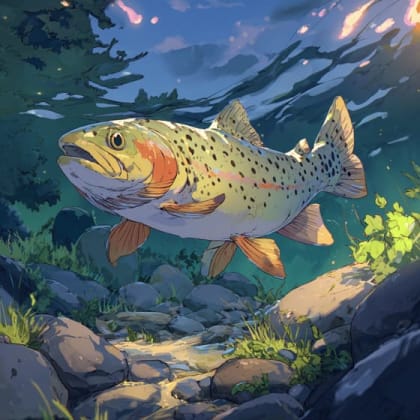
Haddock
Melanogrammus aeglefinus
Haddock are slender fish with a delicious taste. They have a dark spot behind their head and are often found in the North Atlantic Ocean.
Habitat: North Atlantic Ocean
The Haddock has a distinct dark lateral line and a prominent black 'thumbprint' spot above its pectoral fin. Its back is silvery-grey or brownish, fading to a white belly, making it easily recognizable from other cod-like fish.
Category
FishRarity
Common
Danger
2/5 · Low
Snaps
Be the first to snap!
Female Haddock can lay millions of tiny eggs in a single spawning season!
Haddock are a key food for hungry seals, dolphins, and bigger ocean fish.
Some legends say the Haddock's dark spot is a thumbprint from Saint Peter!
They use their keen sense of smell to hunt for food, even in murky water.
Haddock can use sensitive chin barbels to feel for tasty morsels hidden in the sandy seabed.
Haddock can make grunting and clicking sounds that help them communicate with other fish.
Haddock has a unique black 'thumbprint' spot that helps it blend in with rocky ocean floors.
Haddock munch on small critters they find on the seafloor, like worms, crustaceans, and tiny fish.
Age differences: Young Haddock eat tiny plankton, while adults switch to bottom-dwelling invertebrates and small fish.
Halichoerus grypus
Seals dive deep to hunt Haddock for food.
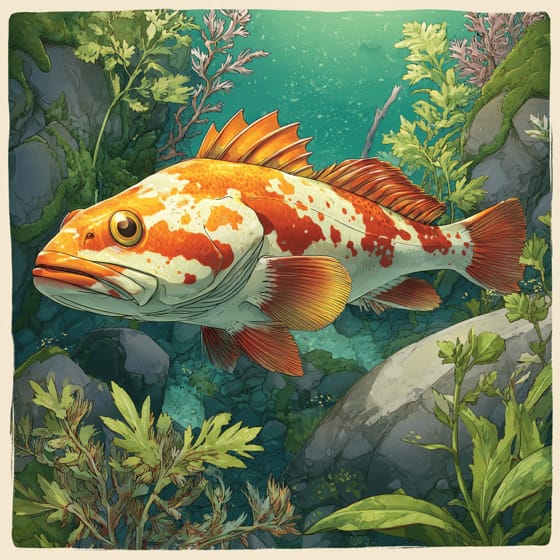
Gadus morhua
Larger cod sometimes prey on younger Haddock.
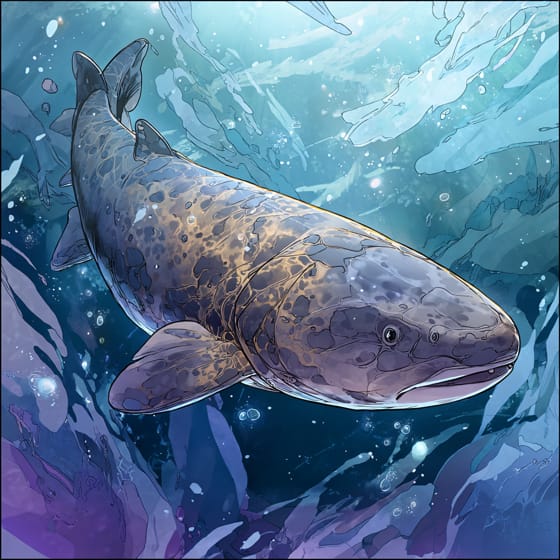
Somniosus microcephalus
Giant Greenland sharks can catch Haddock in the deep sea.
Wildlife encompasses all undomesticated animal and plant life existing in their natural habitats.
Piscivorous organisms are animals that primarily subsist on a diet of fish.
This trait characterizes organisms with an exceptionally long lifespan compared to others of their kind.
Aquatic habitats encompass environments where organisms live predominantly in water, including oceans, rivers, lakes, and wetlands.

Marine habitats encompass all saltwater environments of the Earth's oceans, supporting an immense diversity of aquatic life.

Nocturnal animals are primarily active during the nighttime hours, typically resting or sleeping during the day.
Danger
2/5 · Low
Watch quietly from a distance and never try to feed or chase wild animals.
The easiest way to identify Haddock is to use the Snappit nature identifier app.
30-90 cm
1-10 kg
5-15 years
Haddock munch on small critters they find on the seafloor, like worms, crustaceans, and tiny fish.
15 km/h
North Atlantic Ocean
Foraging
Zoom in to split clusters and explore where this object has been snapped.
Recent snaps will appear here as new observations are added.
Take the discovery with you
Snap it with Snappit to identify it, learn what makes it special, and add the discovery to your collection.