



Iron Ore
Iron ore is a rock that contains iron, which we use to make many things! It is usually dark and heavy.
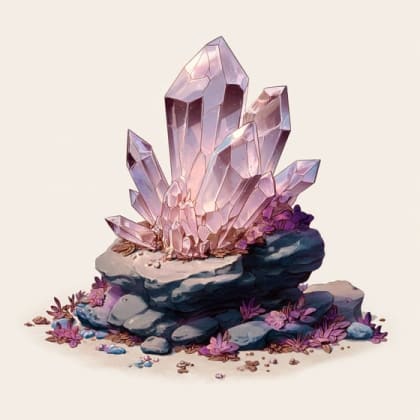
The Iron Ore has a varied look, often appearing as reddish-brown, dark grey, or metallic black rocks. It can be earthy and dull or sometimes glint with a subtle shine. Its distinct red streak often sets it apart.
Category
MineralRarity
Common
Danger
1/5 · Very low
Snaps
Be the first to snap!
Ancient people first discovered how to turn iron ore into tools more than 3,000 years ago!
Did you know the Earth's very core is a giant, super-hot ball of mostly iron? Wow!
The red color of Mars comes from iron ore rusting on its surface, making it the "Red Planet"!
Your blood contains tiny bits of iron that help carry the oxygen you breathe to every part of your body!
Iron Ore has abundant iron, which is smelted to create strong steel used in buildings, cars, and many modern structures.
Some Iron Ore, like magnetite, has natural magnetism, allowing it to attract metal objects and influence compasses.
Iron Ore can react with oxygen and water, creating a reddish-brown rust that colors landscapes, even faraway planets!
Sedimentary rocks are formed from the accumulation and compaction of sediments, organic matter, or chemical precipitates.
Metallic refers to substances, materials, or objects possessing properties characteristic of metals, such as luster and conductivity.
Crystalline describes a mineral or rock composed of crystals, often exhibiting a regular atomic structure and geometric external form.
Natural refers to organisms, materials, or phenomena existing or produced by nature, not artificially created.
No aliases listed yet.
Danger
1/5 · Very low
Handle gently and avoid sharp edges. Ask an adult before picking anything up.
The easiest way to identify Iron Ore is to use the Snappit nature identifier app.
red, brown, black, silver-grey
6
metallic to dull
5.2
Zoom in to split clusters and explore where this object has been snapped.
Recent snaps will appear here as new observations are added.
Take the discovery with you
Snap it with Snappit to identify it, learn what makes it special, and add the discovery to your collection.