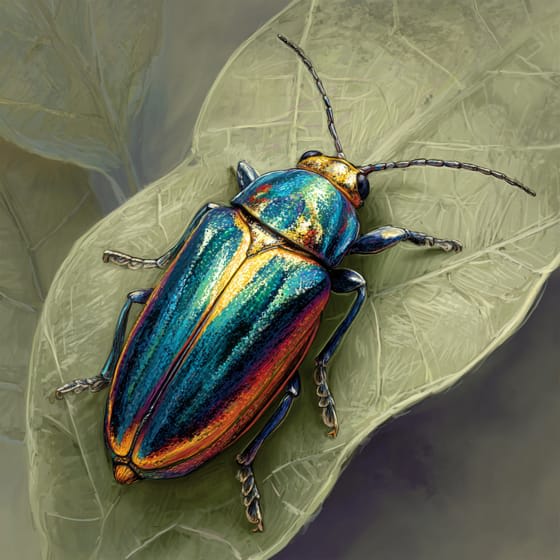





Jewel Beetle
Chrysochus auratus
The Jewel Beetle is a shiny little insect that sparkles in the sunlight. Its colorful body can be green, blue, or even gold!
Habitat: Forests and woodlands
The Jewel Beetle has an elongated, somewhat flattened body, often showcasing an incredible iridescent, metallic sheen. Its exoskeleton shimmers with bright emerald green, blue, copper, or golden hues, making it look like a living gem. This intense, gem-like coloration makes it visually distinct from most other beetles.
Category
InsectsRarity
Common
Danger
2/5 · Low
Snaps
16
Adult Jewel Beetles often feign death by dropping to the ground when they feel threatened.
Female Jewel Beetles can sometimes lay their eggs on objects mistaken for wood, like shiny car paint!
Some Jewel Beetle larvae can live hidden inside wood for over 40 years before finally emerging!
Their shimmering colors come from tiny structures that reflect light, not pigments, like a living rainbow!
Jewel Beetle has a dazzling iridescent exoskeleton that helps them blend into dappled sunlight and avoid predators.
Jewel Beetle larvae can tunnel through solid wood because of their powerful mandibles, which helps them find food and shelter.
Some Jewel Beetles can detect forest fires from afar using special sensors, which helps them find fresh burnt wood for breeding.
Jewel Beetle has an extremely hard exoskeleton that helps them protect their soft bodies from impacts and predators.
Adult Jewel Beetles munch on leaves and nectar, while their larvae feast on wood.
Age differences: Larvae eat wood and inner bark of trees, while adults feed on leaves, nectar, or pollen from various plants.
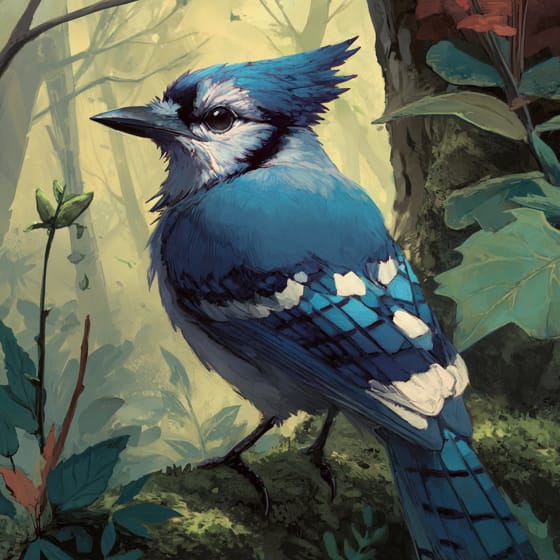
Cyanocitta cristata
A common forest bird that preys on various insects, including beetles.
Quercus rubra
Larvae tunnel and feed within the wood of oak trees, causing damage.

Asclepias syriaca
Adult Jewel Beetles visit milkweed flowers, helping with pollination.
Spathius curvicaudis
Wasp larvae develop inside the beetle larvae, eventually killing them.
Wildlife encompasses all undomesticated animal and plant life existing in their natural habitats.
Colorful describes organisms or objects displaying a wide range of bright and distinct colors.
This trait characterizes organisms whose diet consists entirely or primarily of plant material.
Forest habitats are terrestrial environments dominated by dense tree cover, supporting a high diversity of plant and animal life.

Nocturnal animals are primarily active during the nighttime hours, typically resting or sleeping during the day.

Describes organisms that transfer pollen, enabling the fertilization and reproduction of plants.
Danger
2/5 · Low
Do not touch or pick up. Some insects sting or bite. Ask an adult for help.
The easiest way to identify Jewel Beetle is to use the Snappit nature identifier app.
15-50 mm
8-25 mm
30-90 days
10 km/h
Adult Jewel Beetles munch on leaves and nectar, while their larvae feast on wood.
Forests and woodlands
Foraging
Zoom in to split clusters and explore where this object has been snapped.

Tennessee, US
You might spot House Sparrow, Northern Mockingbird, and Gulf Fritillary.
View guide →

Maryland, US
You might spot Crane-Fly Orchid, Fragile Forktail, and Ebony Jewelwing.
View guide →

Indiana, US
You might spot Eastern Fox Squirrel, Duck, and Canada Goose.
View guide →

Virginia, US
You might spot Asian Lady Beetle, Spotted Lanternfly, and Christmas Fern.
View guide →

Tennessee, US
You might spot American Robin and Eastern Gray Squirrel.
View guide →

Nebraska, US
You might spot Showy Milkweed and Straight-Lined Wave.
View guide →
Take the discovery with you
Snap it with Snappit to identify it, learn what makes it special, and add the discovery to your collection.









.jpg&width=800)


