





Crane Fly
Tipula spp.
The Crane Fly looks like a giant mosquito, but it doesn't bite! They are often found near water and are harmless.
Habitat: Wetlands, fields, and gardens
The Crane Fly has an elongated, slender body, extremely long, delicate legs, and transparent wings. Its body is typically brownish-gray, strikingly resembling a giant mosquito but notably lacking the piercing mouthparts.
Category
InsectsRarity
Common
Danger
2/5 · Low
Snaps
Be the first to snap!
Despite their mosquito-like look, adult crane flies are totally harmless and don't bite!
Many adult crane flies don't even have mouths to eat, living only a few days!
Some crane flies are pollinating flowers, sipping nectar with their tiny tongues!
Their underground larvae are called 'leatherjackets' because of their tough, leathery skin.
Crane Flies can shed a leg if caught by a predator, a trick called autotomy, helping them flee to safety.
Crane Flies have large, delicate wings that help them hover gently and move slowly through the air.
Crane Fly larvae live underground, munching on decaying plants and roots with tough bodies.
Adult crane flies usually sip nectar or dew, while their larvae munch on decaying plants and roots.
Age differences: Adult crane flies consume nectar/dew, while their larval stage (leatherjackets) primarily feeds on decaying organic matter and plant roots.
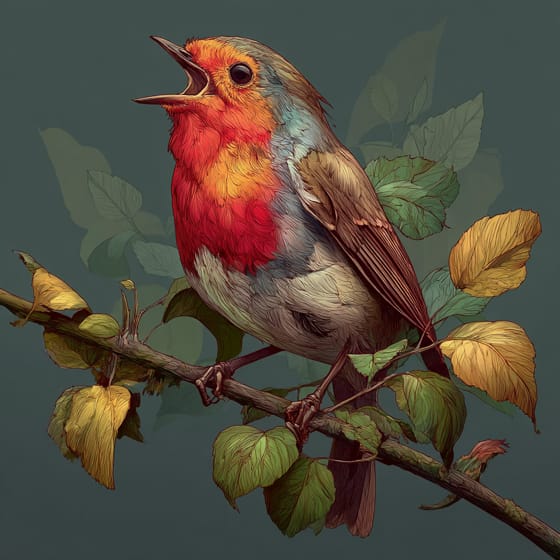
Turdus migratorius
Robins often catch slow-moving adult crane flies in gardens.
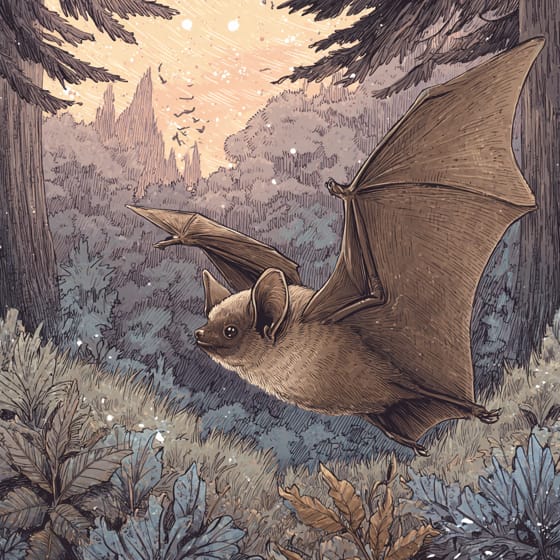
Myotis lucifugus
Bats hunt crane flies in flight during their nighttime foraging.
Solidago canadensis
Adult crane flies visit goldenrod flowers, transferring pollen as they feed.
Wildlife encompasses all undomesticated animal and plant life existing in their natural habitats.
This trait characterizes organisms whose diet consists entirely or primarily of plant material.
This trait identifies organisms whose diet primarily consists of insects and other small invertebrates.
Describes organisms that break down dead organic material, recycling nutrients back into the ecosystem.

This habitat trait identifies species found in wetlands, which are areas of land saturated with water, either permanently or seasonally, including marshes, swamps, and bogs.

Nocturnal animals are primarily active during the nighttime hours, typically resting or sleeping during the day.
Danger
2/5 · Low
Do not touch or pick up. Some insects sting or bite. Ask an adult for help.
The easiest way to identify Crane Fly is to use the Snappit nature identifier app.
20-70 mm
10-40 mm
5-15 days
5 km/h
Adult crane flies usually sip nectar or dew, while their larvae munch on decaying plants and roots.
Wetlands, fields, and gardens
Foraging
Zoom in to split clusters and explore where this object has been snapped.
Recent snaps will appear here as new observations are added.
Take the discovery with you
Snap it with Snappit to identify it, learn what makes it special, and add the discovery to your collection.








.jpg&width=800)




