





Lawson Cypress
Chamaecyparis lawsoniana
The Lawson Cypress is a lovely tree with feathery foliage. It often grows in gardens and parks, making them look beautiful.
Habitat: Gardens and parks
The Lawson Cypress has dense, flattened sprays of scale-like foliage that are often a vibrant blue-green or grey-green. Its narrow, conical shape tapers upwards, making it visually distinct from trees with needle-like leaves or broader crowns.
Category
TreesRarity
Common
Danger
1/5 · Very low
Snaps
1
Its crushed foliage smells uniquely like parsley or lemon-pine!
It’s named after Charles Lawson, who introduced it to European gardens.
Over 200 different varieties have been bred for gardens worldwide.
The lightweight wood is prized for building boats and musical instruments.
Lawson Cypress releases aromatic compounds that can deter some pests, helping it stay healthy and strong.
Its dense, layered foliage creates an excellent natural windbreak, protecting other plants and wildlife from harsh gusts.
The tall, conical canopy casts significant shade, keeping the ground cool and moist, aiding undergrowth survival.
Rhizopogon vinicolor
Forms beneficial mycorrhizal associations with its roots.
Sciurus carolinensis
Squirrels eat the seeds found within its small cones.
.jpg&width=800)
Coccothraustes coccothraustes
These birds crack open the hard seeds from its cones.
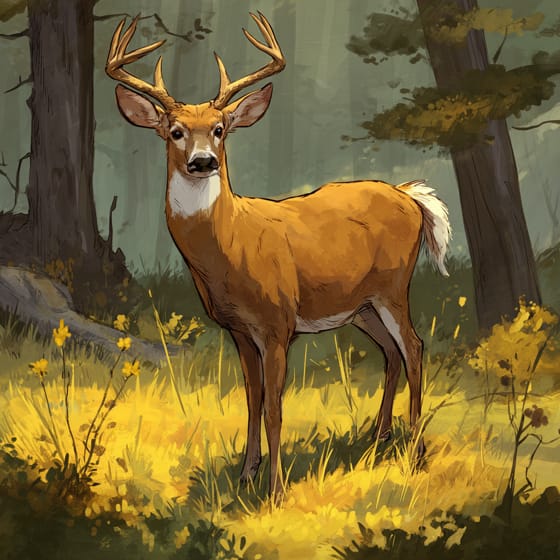
Odocoileus virginianus
Deer can browse on young foliage, especially in winter.

Arbutus menziesii
Often grows alongside in its native habitats.
Coniferous plants are typically evergreen, bearing needles or scales and reproductive cones.
Evergreen plants retain their foliage throughout the year, never shedding all their leaves at once.
Forest habitats are terrestrial environments dominated by dense tree cover, supporting a high diversity of plant and animal life.
Danger
1/5 · Very low
Do not pick or eat anything you find. Some plants and mushrooms can be harmful.
The easiest way to identify Lawson Cypress is to use the Snappit nature identifier app.
30-60 m
6-12 m
No
100-200 cm
400-600 years
Gardens and parks
Small, rounded woody cones
Zoom in to split clusters and explore where this object has been snapped.
Take the discovery with you
Snap it with Snappit to identify it, learn what makes it special, and add the discovery to your collection.














