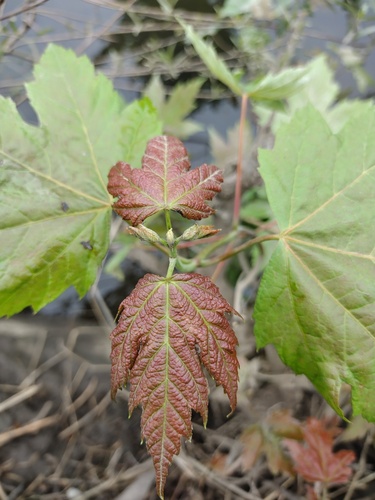
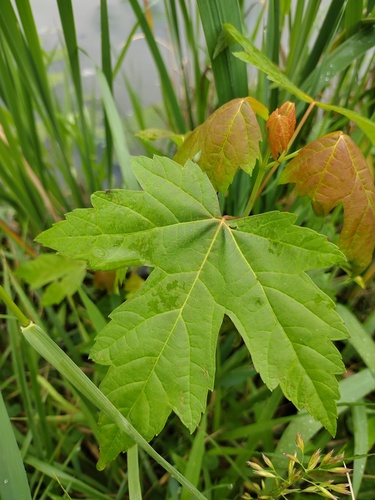
Silver Maple
Acer saccharinum
The Silver Maple has soft, silvery leaves that flutter in the wind. This tree grows fast and loves wet places!
Habitat: Floodplains and riverbanks
The Silver Maple has distinct deeply lobed leaves with silvery-white undersides, giving it a shimmering appearance in the breeze. Its bark is smooth and gray when young, becoming shaggy with long, peeling strips as it matures, revealing reddish-brown inner bark.
Category
TreesRarity
Common
Danger
1/5 · Very low
Snaps
33
Its winged seeds, called 'samaras,' spin like tiny helicopters as they fall to the ground.
Sap from a Silver Maple can be boiled down to make maple syrup, just like Sugar Maples!
Silver Maples are super speedy growers, often one of the fastest growing trees in North America!
The tree's name comes from its leaves, which shimmer silver when seen from below in the wind!
Silver Maple can quickly sprout seeds in early spring floods, helping it colonize new riverbanks fast.
Silver Maple has shallow, spreading roots that efficiently soak up water from floodplains and moist soils.
Silver Maple has flexible branches that can bend and sway in strong winds, reducing the risk of snapping.
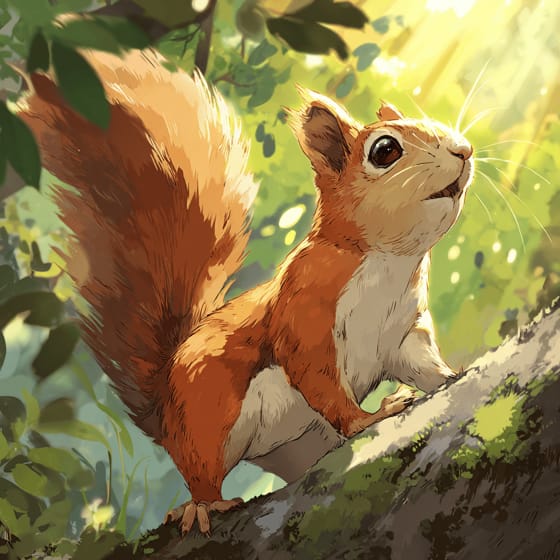
Sciurus carolinensis
Feeds on samara seeds and buds.
Malacosoma americanum
Larvae munch on leaves.

Odocoileus virginianus
Browses on young shoots and twigs.
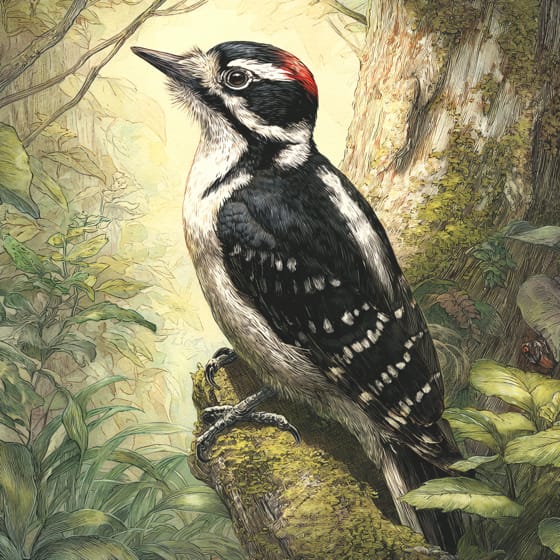
Picoides villosus
Builds nests in tree cavities.
Deciduous plants periodically shed all their leaves, typically during autumn or dry seasons.
Broadleaf trees are angiosperms characterized by flat, wide leaves that are typically shed annually in temperate climates.
This habitat trait identifies species found in wetlands, which are areas of land saturated with water, either permanently or seasonally, including marshes, swamps, and bogs.
Danger
1/5 · Very low
Do not pick or eat anything you find. Some plants and mushrooms can be harmful.
The easiest way to identify Silver Maple is to use the Snappit nature identifier app.
15-35 m
10-20 m
Yes
50-150 cm
80-130 years
Floodplains and riverbanks
Samara
Zoom in to split clusters and explore where this object has been snapped.
May 27, 2026
Ridgewood Historic DistrictPhoto attribution
no rights reserved
License: CC0 1.0 ↗
Image may be shown cropped inside the card frame.
May 27, 2026
Ridgewood Historic DistrictPhoto attribution
no rights reserved
License: CC0 1.0 ↗
Image may be shown cropped inside the card frame.

Connecticut, US
You might spot American Robin, Eastern Poison Ivy, and Duck.
View guide →

New Jersey, US
You might spot Eastern Gray Squirrel and Canada Goose.
View guide →

Wisconsin, US
You might spot Common Eastern Bumble Bee, Red-Belted Bumble Bee, and Duck.
View guide →

New York, US
You might spot Bald Eagle, Common Eastern Bumble Bee, and Tree-Of-Heaven.
View guide →

Wisconsin, US
You might spot Eastern Forktail and Brown-Belted Bumble Bee.
View guide →

Ohio, US
You might spot Blue-Ringed Dancer, Bee, and American Rubyspot.
View guide →
Take the discovery with you
Snap it with Snappit to identify it, learn what makes it special, and add the discovery to your collection.