



Rhinoceros Beetle
Trypoxylus dichotomus
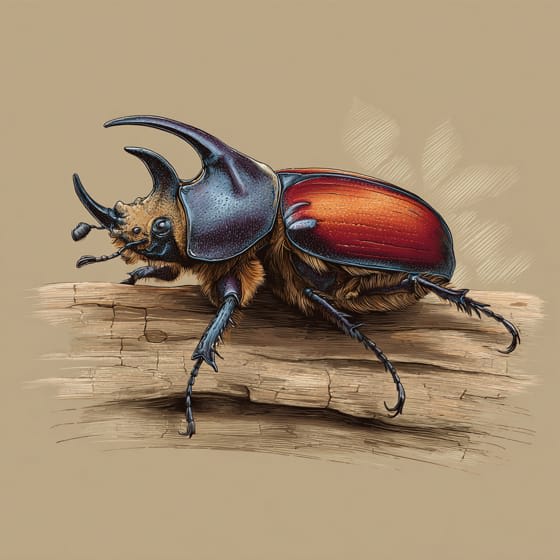
The Rhinoceros Beetle is a big beetle with a horn on its head that looks like a rhinoceros! It's one of the strongest insects!
Habitat: Tropical forests
The Rhinoceros Beetle is a large, robust insect, typically dark brown or black. Males possess a prominent, often Y-shaped horn on their head and sometimes another on their thorax, which females lack. This distinctive horn makes them easily recognizable.
Category
InsectsRarity
Rare
Danger
2/5 · Low
Snaps
Be the first to snap!
Male rhinoceros beetles use their impressive horns to wrestle rivals for mates!
Some species, like the Hercules beetle, can grow over 6 inches long, making them huge!
Their larvae, called grubs, can live underground for several years before transforming!
These beetles can right themselves even when flipped onto their back, using their legs!
Rhinoceros Beetle has a hard, thick exoskeleton that helps them protect their soft body from predators and impacts.
Rhinoceros Beetle can burrow deep into soil and decaying wood using its strong legs, which helps them find food and shelter.
Rhinoceros Beetle has excellent night vision because of its large compound eyes that help them navigate and find food in the dark.
Adults feast on sweet tree sap and ripe fruit, while larvae munch on decaying wood.
Age differences: Larvae consume decaying wood and plant matter, while adults primarily feed on tree sap and fruit.
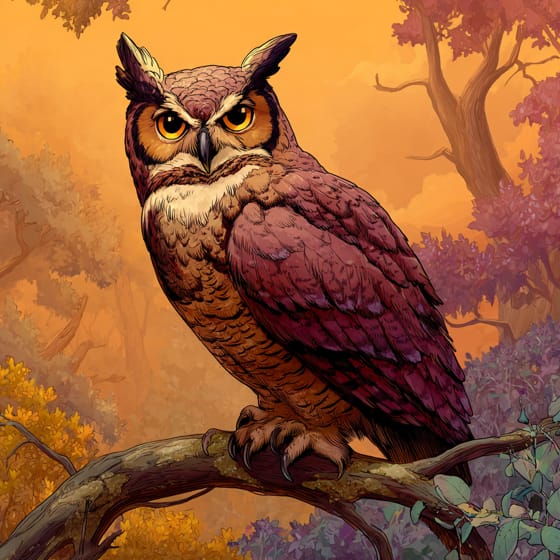
Bubo virginianus
Preys on large insects, including rhinoceros beetles.
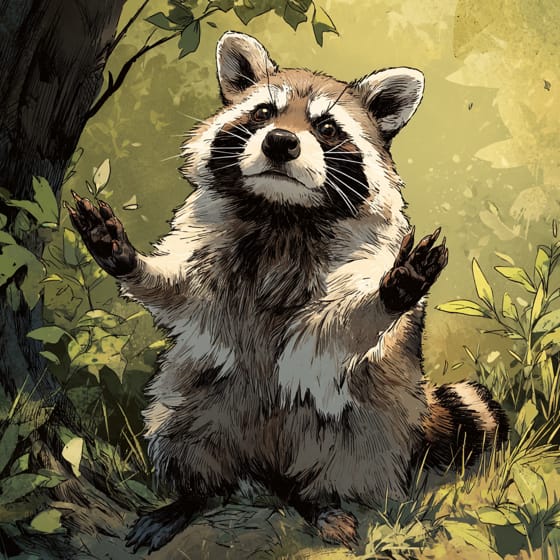
Procyon lotor
Omnivore that will forage for large insects and grubs.
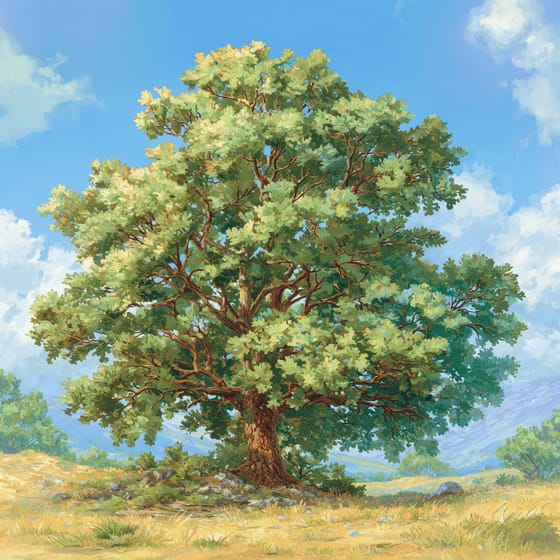
Quercus alba
Larvae live and feed within its decaying wood.
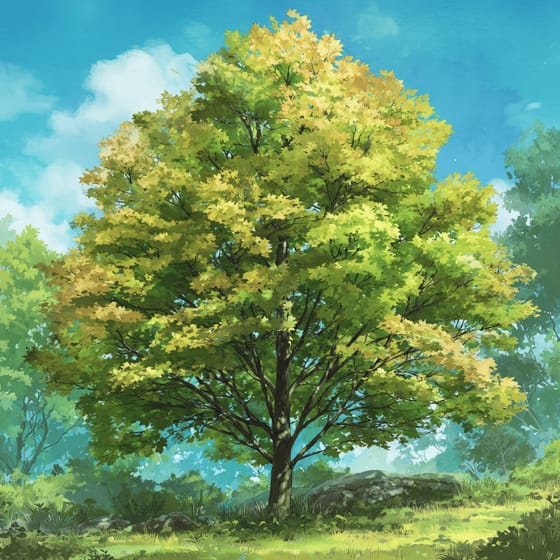
Acer saccharum
Adults feed on its sweet tree sap.
Wildlife encompasses all undomesticated animal and plant life existing in their natural habitats.
This trait characterizes organisms whose diet consists entirely or primarily of plant material.
This trait signifies organisms belonging to a very old evolutionary group with ancestors dating back millions of years.
This habitat trait refers to species found in tropical rainforests, characterized by high annual rainfall, high biodiversity, and dense tree cover.

Armored describes animals protected by a hard, external covering or shell for defense.

Nocturnal animals are primarily active during the nighttime hours, typically resting or sleeping during the day.

Describes organisms that transfer pollen, enabling the fertilization and reproduction of plants.
Danger
2/5 · Low
Do not touch or pick up. Some insects sting or bite. Ask an adult for help.
The easiest way to identify Rhinoceros Beetle is to use the Snappit nature identifier app.
60-120 mm
30-80 mm
30-180 days
8 km/h
Adults feast on sweet tree sap and ripe fruit, while larvae munch on decaying wood.
Tropical forests
Foraging
Zoom in to split clusters and explore where this object has been snapped.
Recent snaps will appear here as new observations are added.
Take the discovery with you
Snap it with Snappit to identify it, learn what makes it special, and add the discovery to your collection.









.jpg&width=800)




