





Dobsonfly
Corydalus cornutus
Dobsonflies are large insects with impressive wings! They are often found near rivers and streams.
Habitat: Rivers and streams
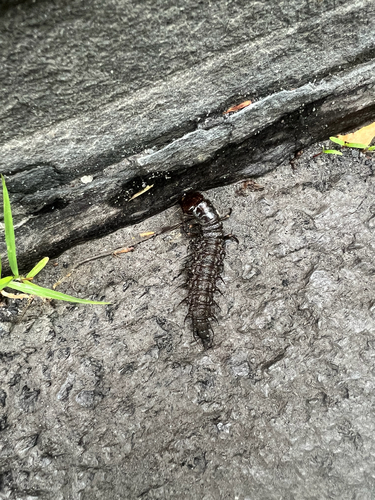
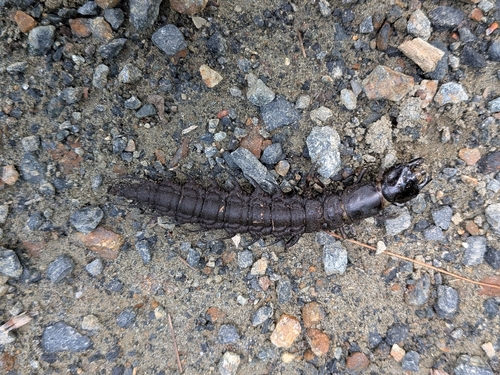
The Dobsonfly is a large, robust insect with a brownish body and two pairs of intricately veined, brownish-grey wings. Males are easily identified by their strikingly long, curved mandibles that resemble tusks, setting them apart visually.
Category
InsectsRarity
Rare
Danger
2/5 · Low
Snaps
25
Adult Dobsonflies only live for about a week, focusing all their energy on finding a mate!
Finding a hellgrammite means the river water is healthy and super clean, a true water quality indicator!
Male Dobsonflies have huge mandibles, but they are too clumsy to bite humans, only for show!
The larvae, called hellgrammites, are fierce underwater predators and can live for up to three years!
Dobsonfly males have enormous, pincer-like mandibles used to impress females, showcasing strength for successful mating.
Dobsonfly larvae, called hellgrammites, breathe underwater with gills, allowing them to live and hunt in rivers for years.
Dobsonflies can fly strongly in the dark, using their senses to navigate and find mates after the sun sets.
Larvae are fierce predators of other aquatic insects, while adults barely eat at all!
Age differences: Larvae are predatory, but adult Dobsonflies rarely feed, focusing their energy on reproduction.
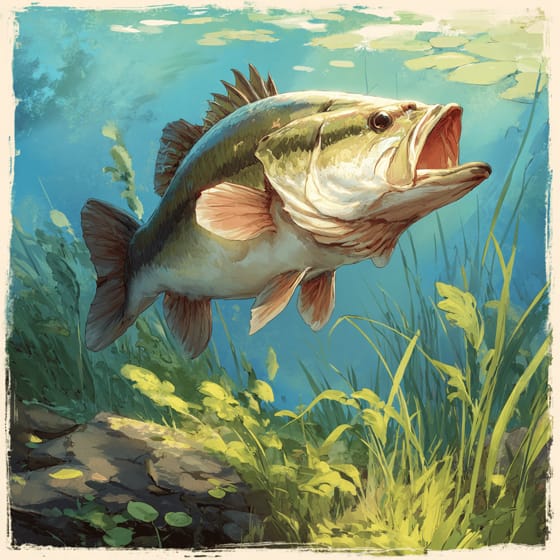
Micropterus salmoides
Large bass actively hunt hellgrammites in freshwater environments.
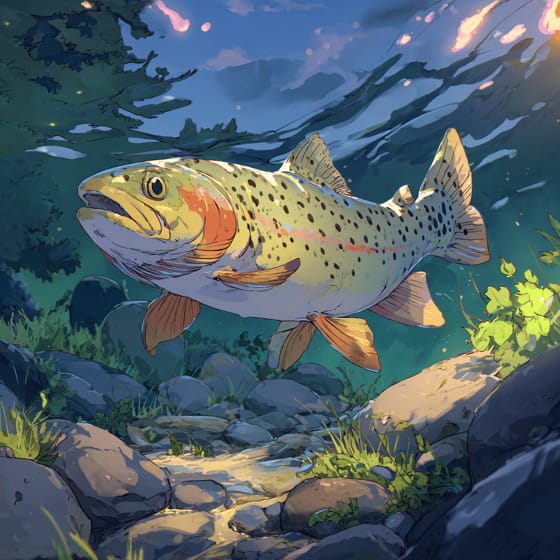
Oncorhynchus mykiss
Trout are major predators of Dobsonfly larvae in clean rivers.
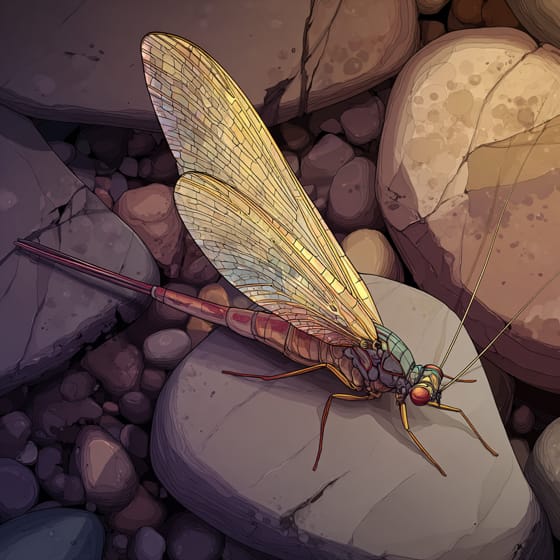
Baetis rhodani
Hellgrammite larvae feast on these tiny aquatic nymphs.
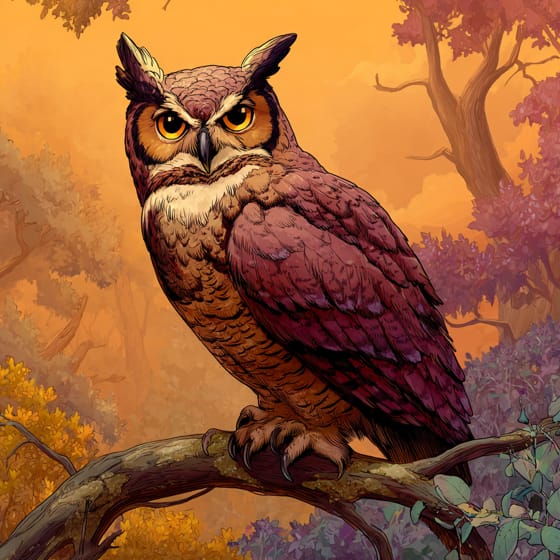
Bubo virginianus
These nocturnal birds sometimes catch adult Dobsonflies at night.
Wildlife encompasses all undomesticated animal and plant life existing in their natural habitats.
Camouflaged describes organisms that possess coloring or patterns that allow them to blend into their environment.
This trait identifies organisms whose diet primarily consists of insects and other small invertebrates.
This trait signifies organisms belonging to a very old evolutionary group with ancestors dating back millions of years.

This trait characterizes organisms with an exceptionally long lifespan compared to others of their kind.

Freshwater habitats include non-saline aquatic environments such as rivers, lakes, ponds, and wetlands, vital for numerous species.

Nocturnal animals are primarily active during the nighttime hours, typically resting or sleeping during the day.
Danger
2/5 · Low
Do not touch or pick up. Some insects sting or bite. Ask an adult for help.
The easiest way to identify Dobsonfly is to use the Snappit nature identifier app.
80-130 mm
50-70 mm
3-7 days
Larvae are fierce predators of other aquatic insects, while adults barely eat at all!
Rivers and streams
Ambush
6
Zoom in to split clusters and explore where this object has been snapped.
Jun 6, 2026
Main Street-Albertson Street-Park Place Historic DistrictPhoto attribution
(c) nebrooks, some rights reserved (CC BY)
License: CC BY 4.0 ↗
Image may be shown cropped inside the card frame.
Jun 6, 2026
WilderPhoto attribution
(c) Jason Hill, some rights reserved (CC BY)
License: CC BY 4.0 ↗
Image may be shown cropped inside the card frame.
May 27, 2026
Pine Creek GorgePhoto attribution
(c) Ben Meredyk, some rights reserved (CC BY)
License: CC BY 4.0 ↗
Image may be shown cropped inside the card frame.

Massachusetts, US
You might spot Mountain Laurel, Azure Bluet, and Partridgeberry.
View guide →

South Carolina, US
You might spot Anole, Asian Lady Beetle, and Gulf Fritillary.
View guide →

Virginia, US
You might spot Northern Cardinal and Eastern Gray Squirrel.
View guide →
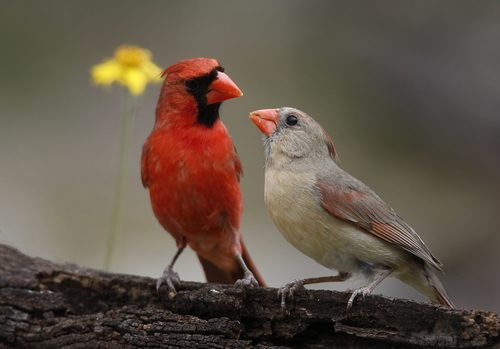
Virginia, US
You might spot Northern Cardinal and Eastern Gray Squirrel.
View guide →
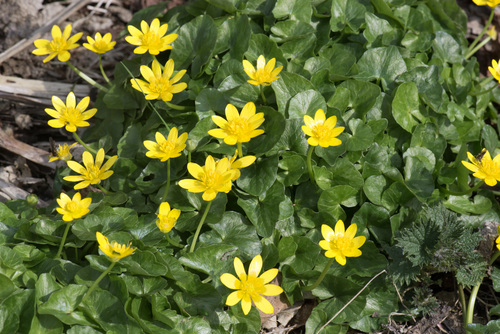
Virginia, US
You might spot Lesser Celandine, Eastern Tiger Swallowtail, and Mayapple.
View guide →

Virginia, US
You might spot Canada Goose, Duck, and Great Blue Heron.
View guide →
Take the discovery with you
Snap it with Snappit to identify it, learn what makes it special, and add the discovery to your collection.











.jpg&width=800)




