





Linnaeus's Two-toed Sloth
Choloepus didactylus
Linnaeus's Two-toed Sloth is a slow-moving animal that loves to hang upside down in trees. They have long arms and a cozy, furry body that helps them stay safe in the rainforest.
Habitat: Forests
The Linnaeus's Two-toed Sloth has shaggy, coarse brown-grey fur, often with a greenish tint from algae, and a distinctive dark eye mask. Its two long, powerful claws on each front foot make it easily identifiable.
Category
MammalsRarity
Common
Danger
1/5 · Very low
Snaps
Be the first to snap!
A sloth's fur grows in the opposite direction, pointing from belly to back!
Sloths only leave their tree canopy to go to the bathroom about once a week!
Their body temperature can change, making them feel warm or cool like a plant!
They have extra neck vertebrae allowing their head to turn almost 270 degrees!
Linnaeus's Two-toed Sloth can hang upside down for 90% of its life because of special ankle joints and strong claws that allow an unbreakable grip.
Linnaeus's Two-toed Sloth has an incredibly slow metabolism that helps it conserve energy, making the most of its leafy diet.
Linnaeus's Two-toed Sloth has fur that hosts green algae, which helps them blend into the leafy rainforest canopy.
Linnaeus's Two-toed Sloth can swim surprisingly well because of powerful arm strokes that propel them through water.
This slow-moving mammal munches mainly on leaves, buds, and fruits found high in the trees.
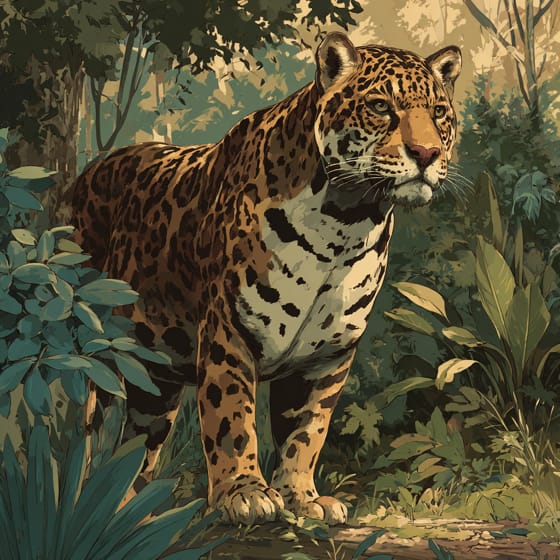
Panthera onca
A top predator of the rainforest canopy.
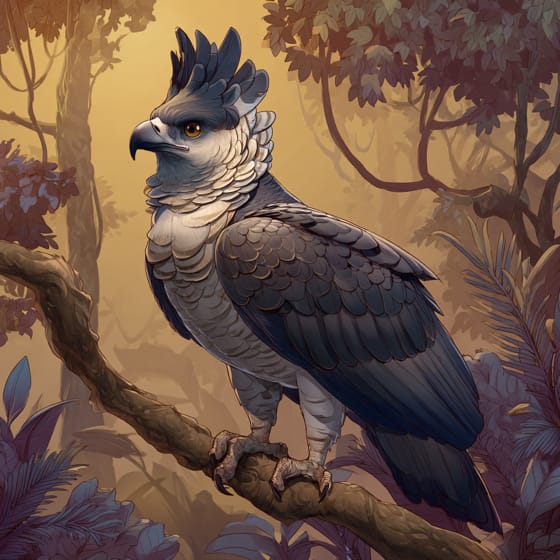
Harpia harpyja
Powerful bird of prey snatching sloths from trees.
Cryptoses choloepi
Moth lives in sloth fur, laying eggs in dung.
Trichophilus welckeri
Provides camouflage for the sloth in the canopy.
Furry describes animals possessing a dense covering of soft hair or fur.
Solitary animals live alone for most of their lives, only interacting with others for mating or parental care.
Arboreal animals live primarily in trees, utilizing them for shelter, food, and protection from predators.
Camouflaged describes organisms that possess coloring or patterns that allow them to blend into their environment.

This trait characterizes organisms whose diet consists entirely or primarily of plant material.

Forest habitats are terrestrial environments dominated by dense tree cover, supporting a high diversity of plant and animal life.

This trait characterizes organisms with an exceptionally long lifespan compared to others of their kind.
This habitat trait refers to species found in tropical rainforests, characterized by high annual rainfall, high biodiversity, and dense tree cover.

Endangered status indicates a species is at a very high risk of extinction in the wild in the near future.
Danger
1/5 · Very low
Always watch from a distance and don't try to touch wild animals like sloths.
The easiest way to identify Linnaeus's Two-toed Sloth is to use the Snappit nature identifier app.
50-70 cm
4-8 kg
15-20 years
1.5 km/h
This slow-moving mammal munches mainly on leaves, buds, and fruits found high in the trees.
Forests
Foraging
Zoom in to split clusters and explore where this object has been snapped.
Recent snaps will appear here as new observations are added.

Texas, US
You might spot Giraffes, African Lion, and Eastern Black Rhinoceros.
View guide →
.jpg&width=800)
Ohio, US
You might spot Reticulated Giraffe, Zebra, and American Bison.
View guide →
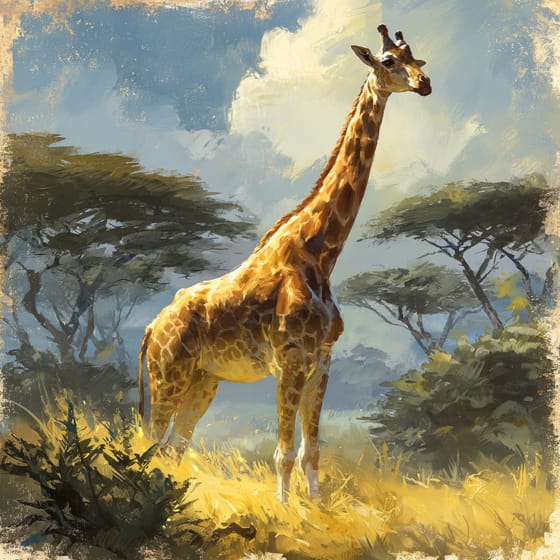
Florida, US
You might spot Giraffes, Rhinoceroses, and Zebra.
View guide →
New York, US
You might spot Polar Bear, Snow Leopard, and African Lion.
View guide →

Massachusetts, US
You might spot American Bison, Domestic Bactrian Camel, and Black Bear.
View guide →

Indiana, US
You might spot Panthera Pardus Orientalis and Reticulated Giraffe.
View guide →
Take the discovery with you
Snap it with Snappit to identify it, learn what makes it special, and add the discovery to your collection.





.jpg&width=800)

.JPG&width=800)


.jpg&width=800)
