





Jaguar
Panthera onca
The jaguar is a big cat known for its beautiful spots. They are strong swimmers and love to live near rivers and forests.
Habitat: Rainforests and swamps
The Jaguar has a stocky, muscular body covered in a short, tawny-yellow coat. Its distinctive black rosettes, often with a spot inside, make it unique among big cats. This pattern provides excellent camouflage in dappled light.
Category
MammalsRarity
Common
Danger
4/5 · High
Snaps
Be the first to snap!
Jaguars are the only roaring big cat found in the Americas!
Jaguars often drag their large prey for miles through dense jungle to a safe spot!
Some jaguars are entirely black, but still have faint rosette patterns hidden in their fur!
They have the strongest bite force of all big cats relative to their size!
Jaguar has an incredibly powerful bite force because of strong jaw muscles, which helps them crush turtle shells and pierce thick hides.
Jaguar can move silently and ambush prey in dense vegetation because of its padded paws and camouflage, making it a highly effective hunter.
Jaguar can swim powerfully and hunt in water because of its strong build, allowing it to catch fish, turtles, and caimans.
Jaguar can sometimes mimic the sounds of its prey because of vocal adaptability, which helps them lure unsuspecting animals closer.
A powerful hunter, the jaguar eats almost anything it can catch, from large mammals to fish.
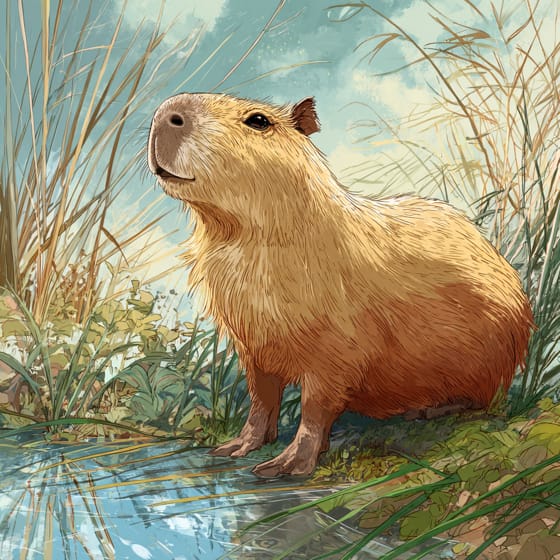
Hydrochoerus hydrochaeris
A primary food source in wetland habitats.
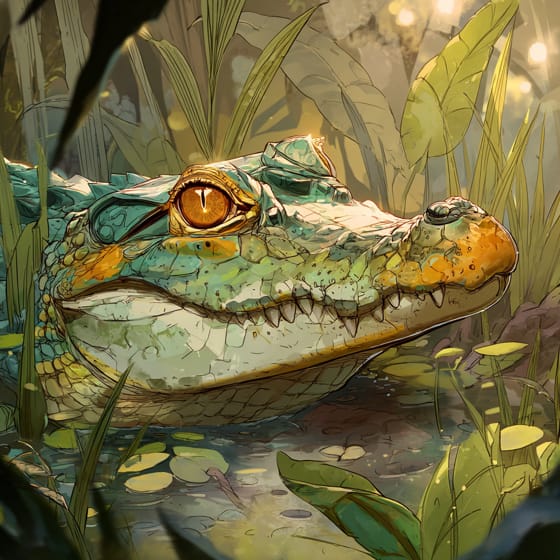
Caiman crocodilus
Often preyed upon by jaguars, even in water.
Tapirus terrestris
Large mammal and significant prey for jaguars.

Pecari tajacu
A common medium-sized prey animal.
Wildlife encompasses all undomesticated animal and plant life existing in their natural habitats.
Furry describes animals possessing a dense covering of soft hair or fur.
Marked with spots or patches of a different color.
Solitary animals live alone for most of their lives, only interacting with others for mating or parental care.

An ambush predator hunts by patiently waiting and concealing itself, then launching a sudden attack when unsuspecting prey comes within range.
This habitat trait refers to species found in tropical rainforests, characterized by high annual rainfall, high biodiversity, and dense tree cover.

This trait identifies organisms whose diet consists entirely or primarily of animal tissue.

Describes a species whose presence and role have a disproportionately large effect on its environment.
Danger
4/5 · High
Jaguars are wild animals and should be admired from a distance. It's important to respect their space.
The easiest way to identify Jaguar is to use the Snappit nature identifier app.
112-185 cm
36-158 kg
12-15 years
80 km/h
A powerful hunter, the jaguar eats almost anything it can catch, from large mammals to fish.
Rainforests and swamps
Ambush
Zoom in to split clusters and explore where this object has been snapped.
Recent snaps will appear here as new observations are added.
Ohio, US
You might spot African Lion, Tiger, and Snow Leopard.
View guide →
Louisiana, US
You might spot African Lion, Jaguar, and American Alligator.
View guide →
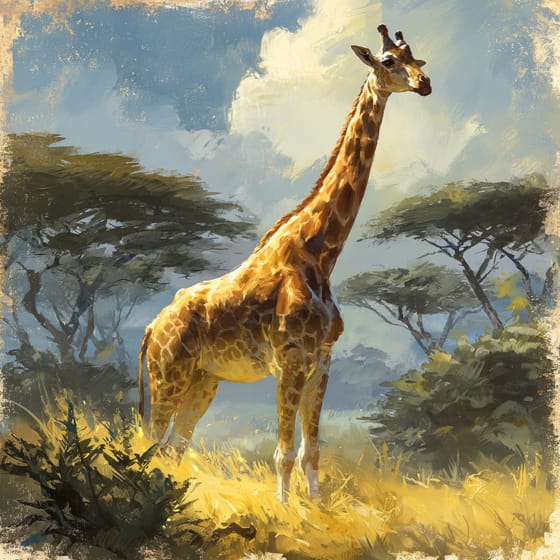
Florida, US
You might spot Giraffes, Rhinoceroses, and Zebra.
View guide →

Texas, US
You might spot African Elephant, Reticulated Giraffe, and African Lion.
View guide →
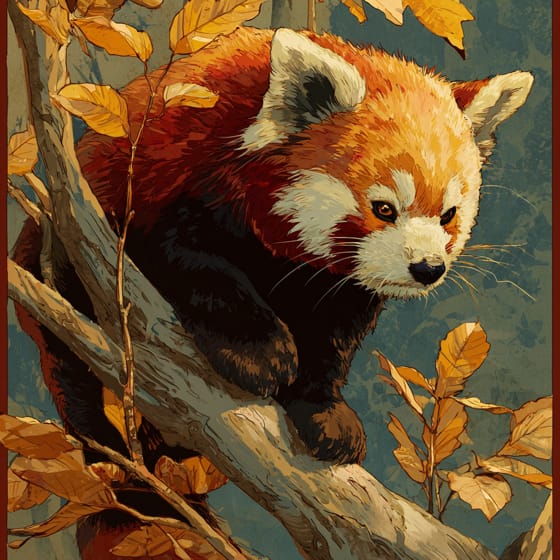
Tennessee, US
You might spot Red Panda, Snow Leopard, and Chimpanzee.
View guide →

Texas, US
You might spot Brown-Throated Three-Toed Sloth, Ant, and Penguin.
View guide →
Take the discovery with you
Snap it with Snappit to identify it, learn what makes it special, and add the discovery to your collection.




.jpg&width=800)



.JPG&width=800)



.jpg&width=800)
