





Littleleaf Linden
Tilia cordata
The Littleleaf Linden is a smaller tree with tiny leaves. It’s perfect for small gardens and parks!
Habitat: Urban areas and gardens
The Littleleaf Linden has distinct small, heart-shaped, dark green leaves with finely toothed edges. Its bark is smooth and grey when young, becoming furrowed with age. In early summer, it displays fragrant, pale yellow flowers attached to a unique, prominent leafy bract.
Category
TreesRarity
Common
Danger
1/5 · Very low
Snaps
1
Ancient Romans thought Littleleaf Lindens represented loyalty and truth.
Its young leaves are edible and taste a bit like mild lettuce in salads.
People once used its inner bark to weave strong ropes and intricate mats!
The tree's sap can be tapped to make a sweet syrup, similar to maple syrup!
Littleleaf Linden has a special leaf-like wing (bract) attached to its seeds that helps them glide away on the wind.
Its incredibly fragrant flowers produce abundant nectar, making it a favorite for bees to create delicious honey.
Littleleaf Linden's dried flowers and bracts can be brewed into a relaxing tea, used for centuries to soothe and calm.
This tree has light, fine-grained wood that's perfect for carving delicate sculptures and musical instruments without splitting.
Apis mellifera
collects nectar and pollen
Phyllonorycter tiliae
larvae feed inside leaves
Eupteryx decemnotata
sucks sap from leaves
%2C_Parc_de_Woluw%C3%A9%2C_Brussels_(13042792905).jpg&width=800)
Parus major
nests in tree cavities
Ganoderma applanatum
decomposes dead wood
Deciduous plants periodically shed all their leaves, typically during autumn or dry seasons.
Broadleaf trees are angiosperms characterized by flat, wide leaves that are typically shed annually in temperate climates.
This habitat trait indicates species that can coexist with humans in urban and suburban environments, utilizing man-made structures and green spaces.
Danger
1/5 · Very low
Do not pick or eat anything you find. Some plants and mushrooms can be harmful.
The easiest way to identify Littleleaf Linden is to use the Snappit nature identifier app.
20-40 m
10-20 m
Yes
100-200 cm
200-500 years
Urban areas and gardens
Nutlet
Zoom in to split clusters and explore where this object has been snapped.
Georgia, US
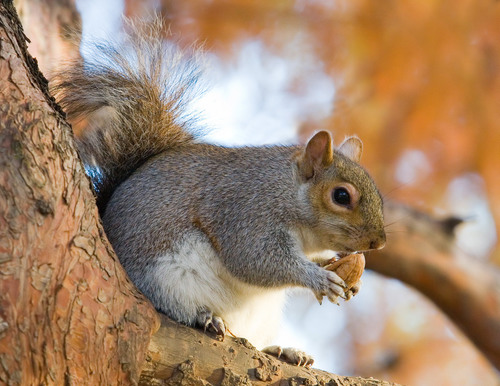
You might spot Eastern Gray Squirrel, Domestic Cat, and American Robin.
View guide →

Georgia, US
You might spot Eastern Gray Squirrel, Domestic Cat, and American Robin.
View guide →
Take the discovery with you
Snap it with Snappit to identify it, learn what makes it special, and add the discovery to your collection.












