





Black Alder
Alnus glutinosa
Black Alder is a strong tree that grows near water! It has dark bark and can provide a home for many critters.
Habitat: Wetlands and riverbanks
The Black Alder has dark, deeply fissured bark and distinctive roundish, somewhat sticky green leaves. It produces long, purple-brown male catkins and small, cone-like fruits that persist on the branches, giving it a unique look, especially in winter.
Category
TreesRarity
Common
Danger
1/5 · Very low
Snaps
3
Alder cones are like mini Christmas decorations that stay on the branches all winter long!
Its super durable wood was used to build Venice, as it lasts almost forever underwater!
Look closely, its leaves stay green and never turn vibrant autumn colors before falling!
These trees release huge clouds of tiny pollen in spring, making the air look hazy!
Black Alder can enrich the soil with nitrogen using special root bacteria, making the ground more fertile for other plants to grow.
Black Alder has roots that thrive in waterlogged soil, helping it grow strong in damp places where many other trees struggle.
Black Alder's wood becomes incredibly tough and resistant to rot when submerged in water, making it last a long time.
Frankia alni
helps fix nitrogen in its root nodules

Carduelis spinus
enjoys feeding on the tree's abundant small seeds
.jpg&width=800)
Agelastica alni
larvae and adults feed on the tree's leaves
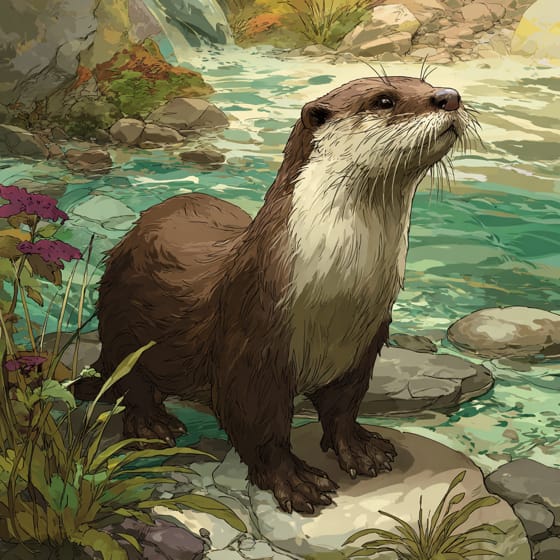
Lutra lutra
often uses alder-lined riverbanks for denning
Deciduous plants periodically shed all their leaves, typically during autumn or dry seasons.
Shade tolerant plants are adapted to grow and thrive in areas with low light levels, requiring less direct sunlight.
Broadleaf trees are angiosperms characterized by flat, wide leaves that are typically shed annually in temperate climates.
Rapid growing plants exhibit accelerated growth rates, quickly increasing in size and biomass within a short period.

This habitat trait identifies species found in wetlands, which are areas of land saturated with water, either permanently or seasonally, including marshes, swamps, and bogs.
Danger
1/5 · Very low
Do not pick or eat anything you find. Some plants and mushrooms can be harmful.
The easiest way to identify Black Alder is to use the Snappit nature identifier app.
15-25 m
6-12 m
No
40-100 cm
60-120 years
Wetlands and riverbanks
Strobile (woody cone)
Zoom in to split clusters and explore where this object has been snapped.
Illinois, US
You might spot Blue Phlox, Great Blue Heron, and Bloodroot.
View guide →

Michigan, US
You might spot Canada Goose, Amur Honeysuckle, and Garter Snake.
View guide →
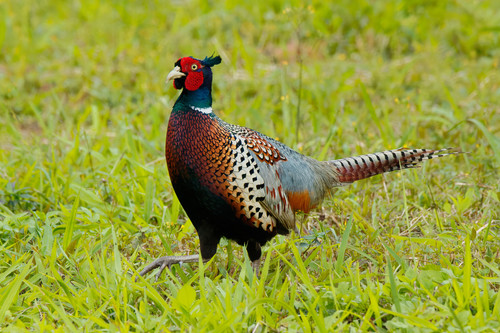
England, UK
You might spot Ring-Necked Pheasant, Goose, and Eurasian Coot.
View guide →
Take the discovery with you
Snap it with Snappit to identify it, learn what makes it special, and add the discovery to your collection.











