Burbot
Lota
The Burbot is a unique fish that looks a bit like a catfish. It has a long body and is often found in cold waters!
Habitat: Cold lakes and rivers
The Burbot has a snake-like body with mottled, dark brown or olive-green skin patterned with dark spots and blotches. It features a single prominent whisker, called a barbel, on its chin, and two short barbels near its nostrils, giving it a distinctive, whiskered appearance.
Category
FishRarity
Rare
Danger
2/5 · Low
Snaps
Be the first to snap!
A Burbot's mouth can open super wide to swallow surprisingly large prey whole.
Burbot is the ONLY freshwater fish related to ocean cod, like a unique freshwater cousin!
Their skin is slimy and lacks scales, feeling very smooth and eel-like.
They love the cold so much, they actively spawn under ice in winter!
Burbot can thrive in icy-cold waters because their bodies are adapted to sub-zero temperatures, helping them survive where most fish cannot.
Burbot has excellent low-light vision that helps them hunt prey in the dark depths or murky waters at night.
Burbot uses a sensitive chin barbel to feel for food on the dark lake bottom, helping them locate hidden prey.
A hungry hunter, Burbot eats other fish, insects, and crustaceans from the lake bottom.
Age differences: Young Burbot eat insects and crustaceans, while adults primarily hunt other fish.
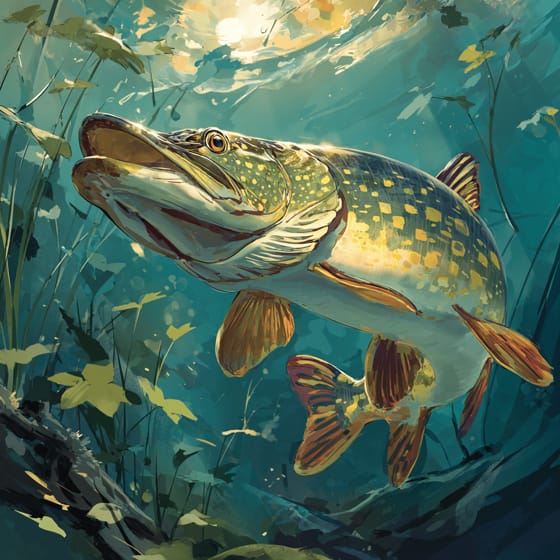
Esox lucius
Larger northern pike are known predators of burbot.
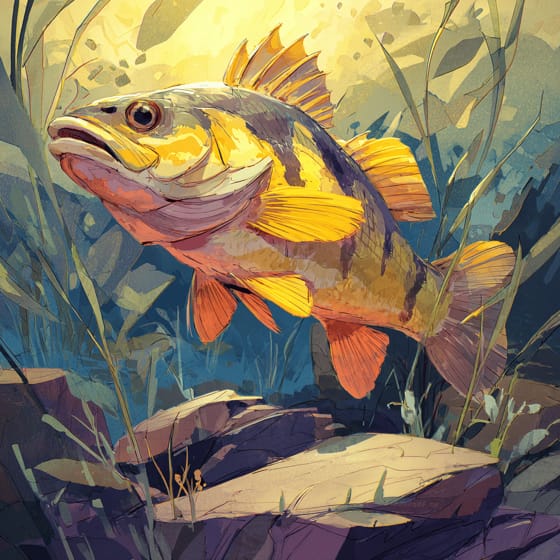
Perca flavescens
Burbot frequently ambush and consume yellow perch.
Coregonus artedi
In deep lakes, Burbot prey on cisco and other small fish.
Orconectes virilis
Crayfish are a common food source for burbot on the bottom.
Wildlife encompasses all undomesticated animal and plant life existing in their natural habitats.
Piscivorous organisms are animals that primarily subsist on a diet of fish.
This trait signifies organisms belonging to a very old evolutionary group with ancestors dating back millions of years.
Freshwater habitats include non-saline aquatic environments such as rivers, lakes, ponds, and wetlands, vital for numerous species.

Aquatic habitats encompass environments where organisms live predominantly in water, including oceans, rivers, lakes, and wetlands.

Nocturnal animals are primarily active during the nighttime hours, typically resting or sleeping during the day.
Danger
2/5 · Low
Watch quietly from a distance and never try to feed or chase wild animals.
30-100 cm
0.5-20 kg
10-15 years
A hungry hunter, Burbot eats other fish, insects, and crustaceans from the lake bottom.
8 km/h
Cold lakes and rivers
Ambush
700 m
Zoom in to split clusters and explore where this object has been snapped.
Recent snaps will appear here as new observations are added.