





Manzanita
Arctostaphylos manzanita subsp. manzanita
Manzanita is a special shrub with smooth, reddish bark and tiny, bell-shaped flowers. It loves sunny spots!
Habitat: Sunny hillsides
The Manzanita has striking smooth, reddish-brown bark that often peels in thin strips, revealing lighter wood beneath. Its tough, leathery, oval leaves are typically grey-green. Bell-shaped white or pink flowers hang in clusters, resembling tiny lanterns.
Category
PlantsRarity
Rare
Danger
1/5 · Very low
Snaps
Be the first to snap!
Its name 'Manzanita' means 'little apple' in Spanish, for its tiny, red fruits!
Native peoples traditionally brewed a tangy, cider-like drink from its small, edible berries.
The wood of the Manzanita is incredibly dense and hard, once used for tools!
You can polish its smooth, reddish bark until it shines brightly, almost like glass!
Manzanita has tough, leathery leaves that can twist to reduce sun exposure, helping it conserve water in dry climates.
Manzanita forms special partnerships with underground fungi, which helps its roots absorb precious nutrients from poor soils.
Apis mellifera
Collects nectar and pollen from its early spring flowers.
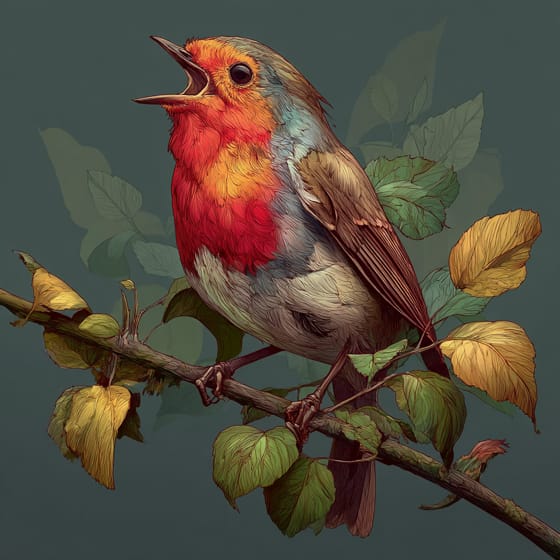
Turdus migratorius
Feeds on the Manzanita's small, apple-like berries.
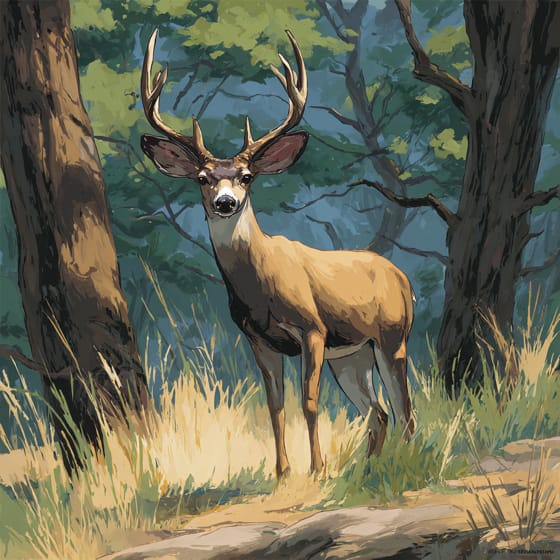
Odocoileus hemionus
Browses on the leaves and tender new growth.
.jpg&width=800)
Pipilo maculatus
Also enjoys the berries and finds shelter in its branches.
Bell-shaped flowers possess petals fused or arranged to form a cup-like or campanulate structure resembling a bell.
A shrub is a woody plant smaller than a tree, typically with multiple stems branching from or near the ground.
Evergreen plants retain their foliage throughout the year, never shedding all their leaves at once.
Fruit-bearing plants produce fruits, which are the mature ovaries of flowering plants containing seeds.

This trait characterizes organisms with an exceptionally long lifespan compared to others of their kind.
No aliases listed yet.
Danger
1/5 · Very low
Explore with care and ask an adult if you’re unsure what to do.
The easiest way to identify Manzanita is to use the Snappit nature identifier app.
200-600 cm
150-500 cm
0.5-1 cm
Late winter to early spring
Yes
None
Perennial
Zoom in to split clusters and explore where this object has been snapped.
Recent snaps will appear here as new observations are added.
Take the discovery with you
Snap it with Snappit to identify it, learn what makes it special, and add the discovery to your collection.










.jpg&width=800)



_001.jpg&width=800)


