Nurse Shark
Ginglymostoma cirratum
Nurse Sharks are known for their calm nature! They love to rest on the ocean floor during the day.
Habitat: Shallow coastal waters
The Nurse Shark is typically yellowish-brown to dark brown, with a flattened head and small eyes. It has two broad dorsal fins set far back on its body and a very long, low caudal fin. Prominent sensory barbels dangle from its snout.
Category
FishRarity
Rare
Danger
2/5 · Low
Snaps
3
Nurse sharks can actually 'walk' on their fins along the ocean bottom!
Their rough skin is covered in tiny tooth-like scales called dermal denticles!
They can stay still on the seafloor for hours, just like a submarine!
Unlike most sharks, they can suck in water while resting, without swimming!
Nurse Shark can create powerful suction to vacuum prey from crevices thanks to its small mouth and strong throat muscles.
Nurse Shark has whisker-like barbels near its mouth that help it feel and taste for hidden prey in murky waters or sand.
Nurse Shark can pump water over its gills while resting motionless on the seafloor, unlike many other sharks.
Nurse Shark has incredibly strong jaws and crushing plate-like teeth to easily break the shells of crabs and clams.
They are slow-moving hunters that feast on crabs, lobsters, and small fish from the ocean floor.
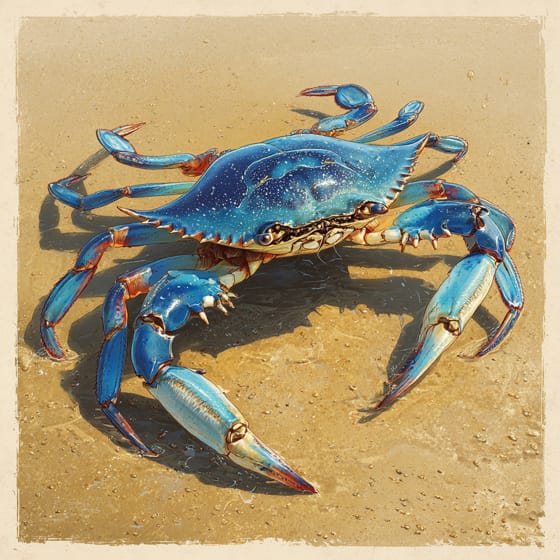
Callinectes sapidus
A primary prey item found on the ocean floor.
Octopus vulgaris
Nurse sharks use suction to pull them from hiding.
Panulirus argus
Crushes the hard shells of these abundant lobsters.
Echeneis naucrates
Attaches to the shark for transport and feeds on scraps.
Wildlife encompasses all undomesticated animal and plant life existing in their natural habitats.
Piscivorous organisms are animals that primarily subsist on a diet of fish.
Coastal habitats are dynamic environments located along the interface between land and sea, influenced by tides, waves, and saltwater.
Aquatic habitats encompass environments where organisms live predominantly in water, including oceans, rivers, lakes, and wetlands.

Nocturnal animals are primarily active during the nighttime hours, typically resting or sleeping during the day.
Danger
2/5 · Low
Watch quietly from a distance and never try to feed or chase wild animals.
The easiest way to identify Nurse Shark is to use the Snappit nature identifier app.
200-300 cm
90-120 kg
20-25 years
They are slow-moving hunters that feast on crabs, lobsters, and small fish from the ocean floor.
8 km/h
Shallow coastal waters
Ambush
Zoom in to split clusters and explore where this object has been snapped.

Ohio, US
You might spot Sand Tiger Shark, Nurse Shark, and Cow.
View guide →

US
You might spot Nurse Shark, Sea Turtle, and Cownose Ray.
View guide →

US
You might spot Brown Anole, Peters's Rock Agama, and Green Iguana.
View guide →
Ohio, US
You might spot Sand Tiger Shark, Nurse Shark, and Cow.
View guide →

US
You might spot Great Barracuda, Gray Snapper, and Red Mangrove.
View guide →

Florida, US
You might spot Brown Anole, Crested Anole, and Peters's Rock Agama.
View guide →
Take the discovery with you
Snap it with Snappit to identify it, learn what makes it special, and add the discovery to your collection.