




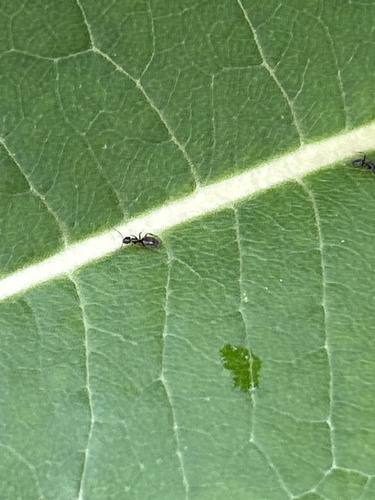
Odorous House Ant
Tapinoma sessile
The Odorous House Ant is a tiny ant that can be found in many homes. They are named for their sweet smell, which is released when they are squished. These ants work together in large groups to find food and build their nests.
Habitat: Urban areas
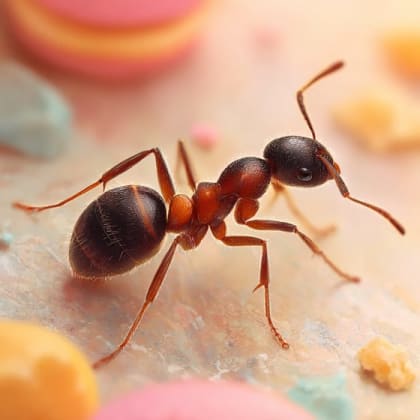
The Odorous House Ant is a tiny, dark brown to black ant with a smooth, shiny body. It has a single, almost hidden node on its petiole, giving it a streamlined appearance. Its small stature and uniform dark color help distinguish it from larger, lighter-colored ants.
Category
InsectsRarity
Common
Danger
1/5 · Very low
Snaps
14
Odorous house ants can invade homes by the thousands, seeking sugary snacks.
These ants have multiple queens in a single colony, making them super adaptable.
They can survive being submerged in water for several days, wow!
They often "herd" tiny aphids, protecting them for their sweet honeydew.
Odorous House Ant can release a strong, rotten coconut smell when squished, which deters predators.
Odorous House Ant can build nests in diverse locations, from soil to wall voids, helping them adapt anywhere.
Odorous House Ant has a fast, erratic running pattern that helps them quickly evade dangers.
Odorous House Ant can quickly locate and recruit colony members to new food sources, especially sugary ones.
These tiny ants love to munch on sweets, oils, and even dead insects!
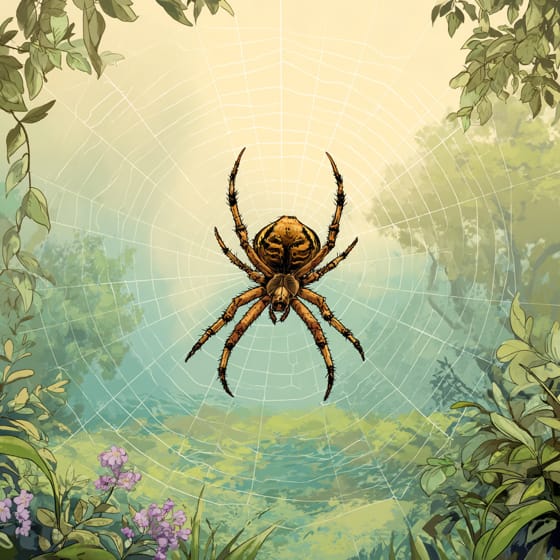
Araneus diadematus
A tasty snack for various spiders.
Aphis gossypii
Protects aphids for their sweet honeydew.
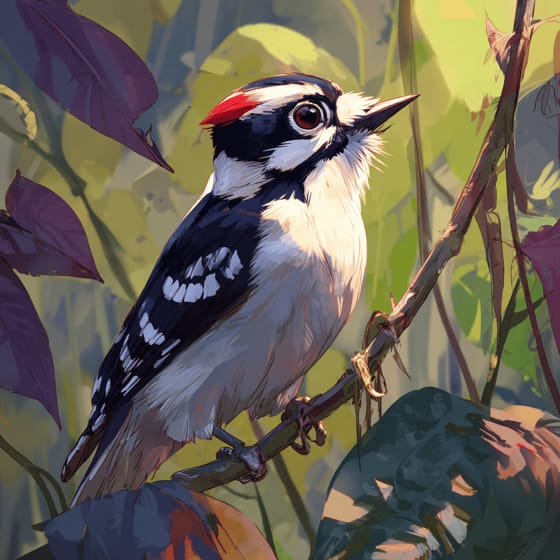
Picoides pubescens
Birds forage for these ants.
Musca domestica
Forages on dead house flies.
Social animals live in organized groups, cooperating for survival benefits such as foraging, defense, and raising offspring.
This trait identifies organisms whose diet includes both plant and animal matter.
Scavengers consume dead organic matter, helping to decompose carcasses and other waste in the ecosystem.
Diurnal animals are primarily active during daylight hours, typically resting or sleeping at night.

Pertaining to species that are significantly smaller than typical or average for their kind.

This habitat trait indicates species that can coexist with humans in urban and suburban environments, utilizing man-made structures and green spaces.
Danger
1/5 · Very low
Don't touch ants or their nests; they are best admired from a distance.
The easiest way to identify Odorous House Ant is to use the Snappit nature identifier app.
2-3.5 mm
45-70 days
These tiny ants love to munch on sweets, oils, and even dead insects!
Urban areas
Foraging
6
100-10000
Zoom in to split clusters and explore where this object has been snapped.
Jun 11, 2026
Brookside ReservationPhoto attribution
(c) Lisa Wiencek Gerbec, some rights reserved (CC BY)
License: CC BY 4.0 ↗
Image may be shown cropped inside the card frame.

Ohio, US
You might spot Spotted Lanternfly and White-Tailed Deer.
View guide →

Rhode Island, US
You might spot Common Eastern Bumble Bee and Asian Lady Beetle.
View guide →

Connecticut, US
You might spot Downy Woodpecker and Eastern Gray Squirrel.
View guide →

Iowa, US
You might spot House Sparrow and Common Eastern Bumble Bee.
View guide →

Connecticut, US
You might spot Spongy Moth, Eastern Tent Caterpillar Moth, and Monarch.
View guide →

Connecticut, US
You might spot Spongy Moth and Eastern Tent Caterpillar Moth.
View guide →
Take the discovery with you
Snap it with Snappit to identify it, learn what makes it special, and add the discovery to your collection.








.jpg&width=800)




