





Click Beetle
Agriotes spp.
Click Beetles are known for their unique clicking sound when they flip themselves over. They can jump high to escape danger!
Habitat: Fields, gardens, and forests
The Click Beetle has an elongated, flattened body, often dark brown or black, sometimes with a metallic sheen. They are distinguishable by their hard shell and a jointed 'neck' section that allows for a unique clicking movement.
Category
InsectsRarity
Common
Danger
2/5 · Low
Snaps
Be the first to snap!
Certain species can light up like tiny lanterns in the dark, using special glow spots!
Some tropical click beetles are huge, growing over 6 centimeters long!
The 'click' sound they make is one of the loudest sounds for an insect their size!
Their babies, called wireworms, can live underground for years before becoming adult beetles!
Click Beetle can snap their 'neck' joint to create a loud click, launching themselves into the air to escape predators or flip upright when on their back.
Click Beetles have a tough, armored exoskeleton that protects them from bumps, falls, and many predators in their environment.
Adults sip nectar; larvae munch roots, seeds, or other insects underground.
Age differences: Larvae (wireworms) feed mainly on plant roots and decaying matter, while adults primarily consume nectar and pollen.

Zea mays
Larval wireworms can damage crop roots.
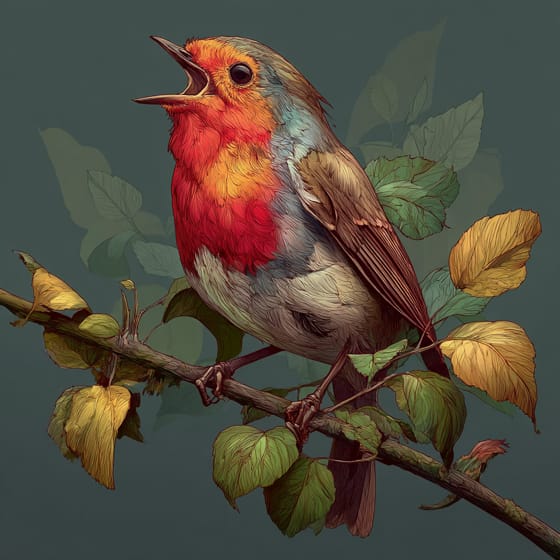
Turdus migratorius
Robins often pull wireworms from soil.

Sorex araneus
Shrews forage for larvae underground.
Daucus carota
Adults feed on pollen and nectar.
Wildlife encompasses all undomesticated animal and plant life existing in their natural habitats.
This trait characterizes organisms whose diet consists entirely or primarily of plant material.
This trait signifies organisms belonging to a very old evolutionary group with ancestors dating back millions of years.
Describes organisms that break down dead organic material, recycling nutrients back into the ecosystem.

Forest habitats are terrestrial environments dominated by dense tree cover, supporting a high diversity of plant and animal life.

This trait characterizes organisms with an exceptionally long lifespan compared to others of their kind.

Nocturnal animals are primarily active during the nighttime hours, typically resting or sleeping during the day.

Describes organisms that transfer pollen, enabling the fertilization and reproduction of plants.
Danger
2/5 · Low
Do not touch or pick up. Some insects sting or bite. Ask an adult for help.
The easiest way to identify Click Beetle is to use the Snappit nature identifier app.
15-60 mm
5-25 mm
14-1825 days
5-10 km/h
Adults sip nectar; larvae munch roots, seeds, or other insects underground.
Fields, gardens, and forests
Foraging
Zoom in to split clusters and explore where this object has been snapped.
Recent snaps will appear here as new observations are added.

Louisiana, US
You might spot Brush-Footed Butterflies, Ant, and Hercules Beetle.
View guide →
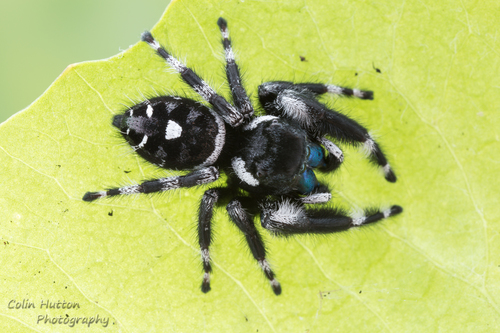
California, US
You might spot Bold Jumping Spider and Marbled Cellar Spider.
View guide →
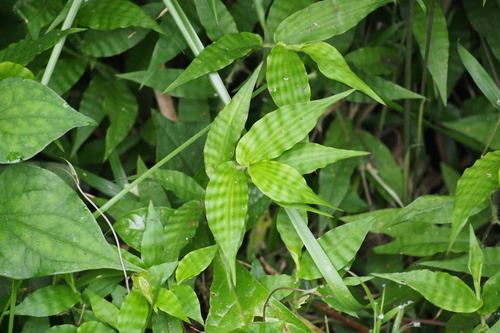
Virginia, US
You might spot Wavyleaf Basketgrass and Asian Jumpseed.
View guide →
Take the discovery with you
Snap it with Snappit to identify it, learn what makes it special, and add the discovery to your collection.








.jpg&width=800)



