


Planaria
Planaria
Planaria are flatworms that live in freshwater habitats like ponds and streams. They have a unique ability to regenerate, which means they can regrow body parts if they get hurt.
Habitat: Freshwater
The Planaria has a distinctive spade-shaped head with two prominent 'eyespots' that give it a cross-eyed look. Its flat, soft body is typically brown, grey, or black, blending into its freshwater habitat. It's easily identified by its unique head shape.
Category
InvertebrateRarity
Common
Danger
1/5 · Very low
Snaps
Be the first to snap!
Each Planaria has both boy and girl parts, they can make babies all by themselves!
Planaria breathe right through their skin, no lungs or gills needed!
Scientists study Planaria to learn how bodies regrow and even if they can learn!
Their 'eyespots' only detect light and dark, not clear images like ours!
Planaria can regrow any lost body part, even a whole new body from a tiny fragment, thanks to amazing stem cells.
Planaria use chemical sensors on their head to detect food and navigate their environment from afar.
Planaria can extend a tube-like pharynx from their belly to suck up food like a straw, surprise feeding!
Planaria are tiny hunters and scavengers, feasting on small living creatures and dead organic matter.
Pimephales promelas
Minnows often consume small aquatic invertebrates.
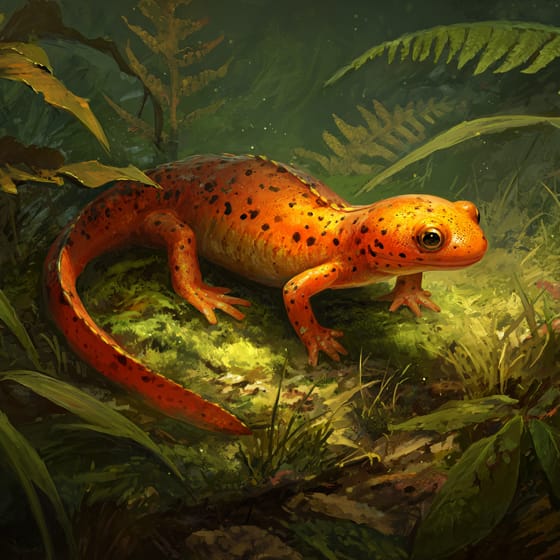
Notophthalmus viridescens
Newts prey on various small freshwater creatures.
Paramecium caudatum
Planaria feed on tiny single-celled organisms.
Daphnia pulex
Planaria consume small aquatic crustaceans.
Wildlife encompasses all undomesticated animal and plant life existing in their natural habitats.
Scavengers consume dead organic matter, helping to decompose carcasses and other waste in the ecosystem.
Filter feeders obtain nutrients by straining suspended food particles and small organisms from water.
This trait signifies organisms belonging to a very old evolutionary group with ancestors dating back millions of years.

Freshwater habitats include non-saline aquatic environments such as rivers, lakes, ponds, and wetlands, vital for numerous species.
Regenerative organisms possess the ability to regrow lost or damaged body parts, tissues, or organs.

Nocturnal animals are primarily active during the nighttime hours, typically resting or sleeping during the day.
Danger
1/5 · Very low
Avoid touching planaria in the wild to protect their delicate bodies and habitat.
The easiest way to identify Planaria is to use the Snappit nature identifier app.
0.5-2.0
0.5-1.0
Planaria are tiny hunters and scavengers, feasting on small living creatures and dead organic matter.
Freshwater
Scavenging
Zoom in to split clusters and explore where this object has been snapped.
Recent snaps will appear here as new observations are added.
Take the discovery with you
Snap it with Snappit to identify it, learn what makes it special, and add the discovery to your collection.