




red pine
Pinus resinosa
The red pine is a tall tree with long, slender needles that are green all year round. It has a beautiful reddish-brown bark that can be very rough. This tree is great for making paper and is often found in forests.
Habitat: Forests
The red pine is a tall, straight evergreen tree with distinctive reddish-brown bark that flakes into irregular plates. Its long, dark green needles grow in bundles of two, making its crown appear dense and slightly conical.
Category
PlantsRarity
Common
Danger
1/5 · Very low
Snaps
4
Its reddish-brown bark gives it a unique 'scales' look, inspiring its common name!
Red pine wood is so straight and strong, it was once perfect for making tall ship masts!
Red pines can live for over 300 years, becoming ancient, silent guardians of the forest!
Young red pines grow faster than many other pines, quickly reaching for the sunlight!
Red pine has thick, reddish bark that helps it survive ground fires, protecting the living inner wood from heat damage.
Its long, dark green needles stay on the tree for years, allowing it to photosynthesize even in winter snows.
The red pine develops strong roots and sturdy wood, helping it stand firm against strong winds and storms.

Odocoileus virginianus
browses on young seedlings and needles
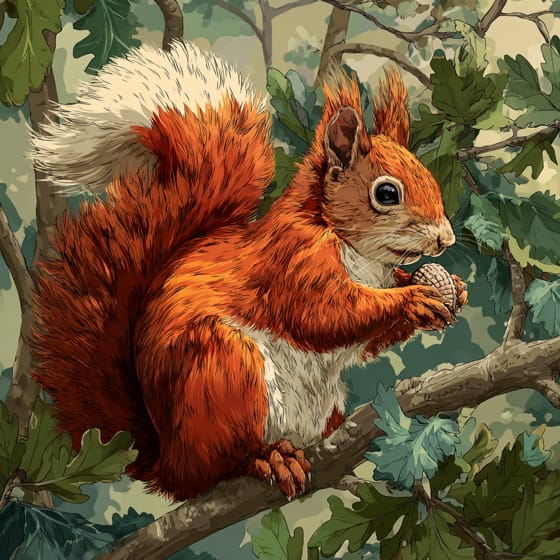
Tamiasciurus hudsonicus
collects and eats seeds from its cones
Ips pini
larvae tunnel and feed under the bark, weakening the tree
Cold hardy plants are able to withstand low temperatures and freezing conditions without significant damage.
Coniferous plants are typically evergreen, bearing needles or scales and reproductive cones.
Evergreen plants retain their foliage throughout the year, never shedding all their leaves at once.
Timber refers to wood that has been prepared for use in building and carpentry.

Forest habitats are terrestrial environments dominated by dense tree cover, supporting a high diversity of plant and animal life.

This trait characterizes organisms with an exceptionally long lifespan compared to others of their kind.
No aliases listed yet.
Danger
1/5 · Very low
Stay on paths when exploring forests, and don't touch sharp branches.
The easiest way to identify red pine is to use the Snappit nature identifier app.
2000-4000 cm
600-1200 cm
Spring
No
None
Perennial
Wind
Zoom in to split clusters and explore where this object has been snapped.
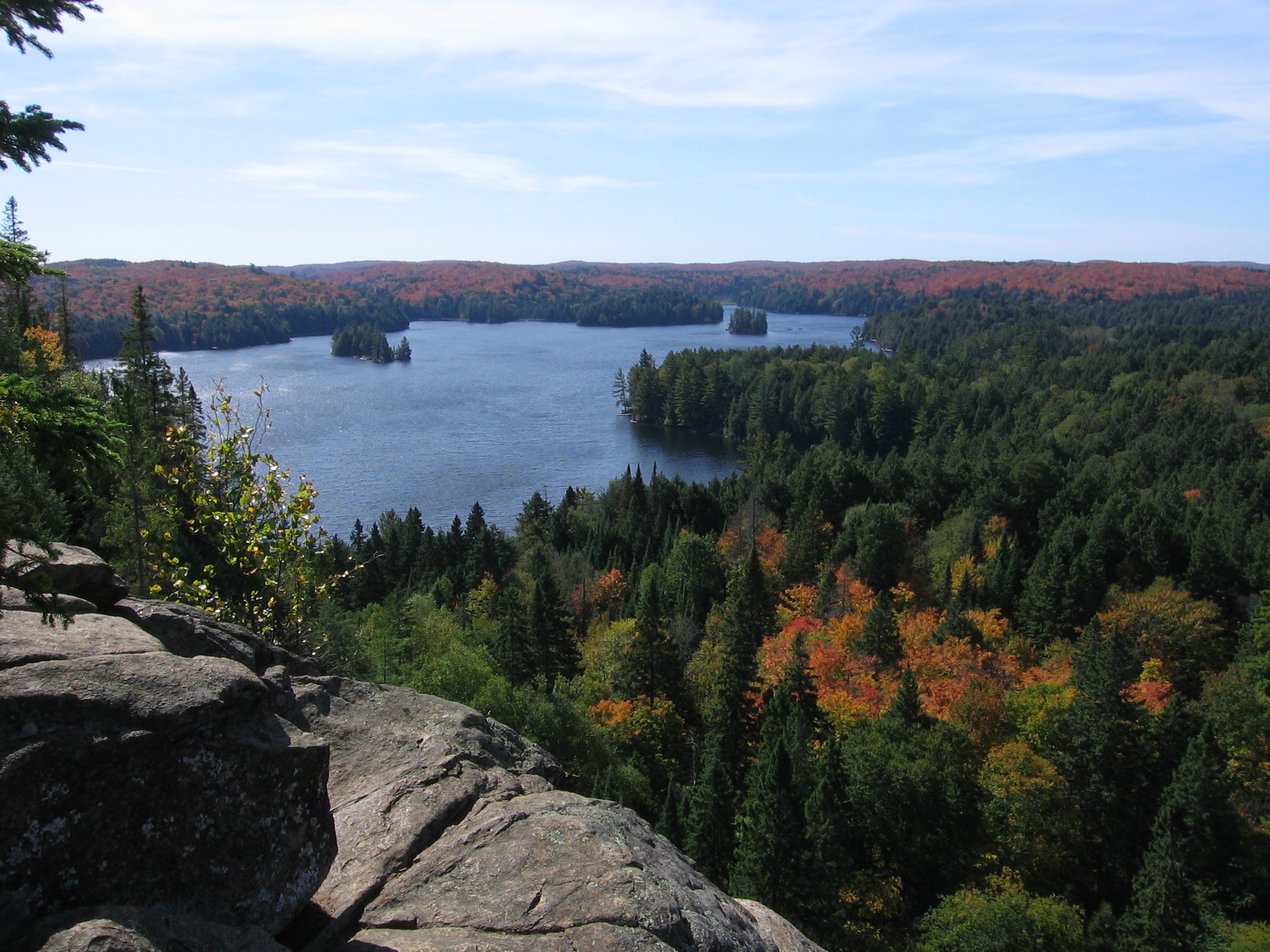
Ontario, CA
You might spot Canada Jay, American Beaver, and Black-Capped Chickadee.
View guide →

Minnesota, US
You might spot Common Eastern Bumble Bee and Turkey.
View guide →
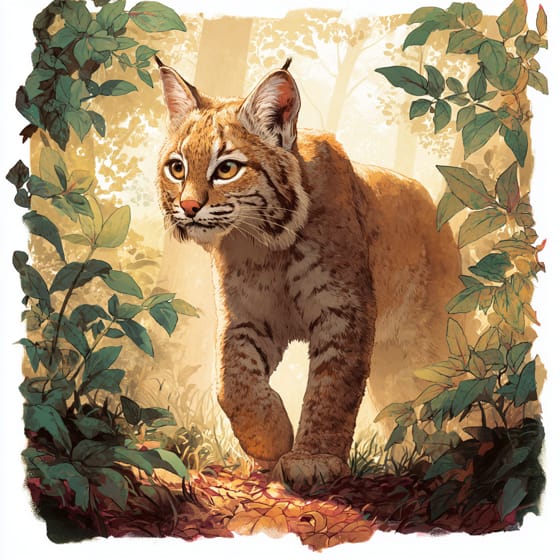
Illinois, US
You might spot Bobcat, Canada Lynx, and White-Tailed Deer.
View guide →
Minnesota, US
You might spot African Lion, Tiger, and Snow Leopard.
View guide →
Take the discovery with you
Snap it with Snappit to identify it, learn what makes it special, and add the discovery to your collection.









.jpg&width=800)



_001.jpg&width=800)


