





Olive Ridley Sea Turtle
Lepidochelys olivacea
The Olive Ridley Sea Turtle is a small turtle with a beautiful olive-colored shell. They are known for their amazing nesting events called 'arribadas'!
Habitat: Tropical and subtropical oceans
The Olive Ridley Sea Turtle is relatively small, with a heart-shaped or rounded carapace that is typically olive-green to grayish-green. Its underside is paler, and it uniquely possesses 5 to 9 pairs of lateral scutes on its shell, more than most other sea turtles.
Category
ReptilesRarity
Rare
Danger
2/5 · Low
Snaps
Be the first to snap!
Hatchlings rush to the ocean, guided by the moonlight on the water!
It's one of the smallest sea turtles, weighing less than a person!
Their shells can have 5 to 9 side scutes, unique among sea turtles!
They are named 'Ridley' because their shells are an olive-green color!
Olive Ridley Sea Turtle can perform "arribadas," where thousands nest together, making egg-laying safer and more efficient.
Olive Ridley Sea Turtle has powerful lungs that help them hold their breath for over an hour and dive deep for food.
Olive Ridley Sea Turtle can travel thousands of miles using Earth's magnetic field to find their way back to nesting beaches.
Olive Ridley Sea Turtle has special glands near its eyes that help them cry out excess salt from the ocean water they drink.
They are carnivores that feast on small sea creatures like crabs, shrimp, and jellyfish found on the ocean floor.
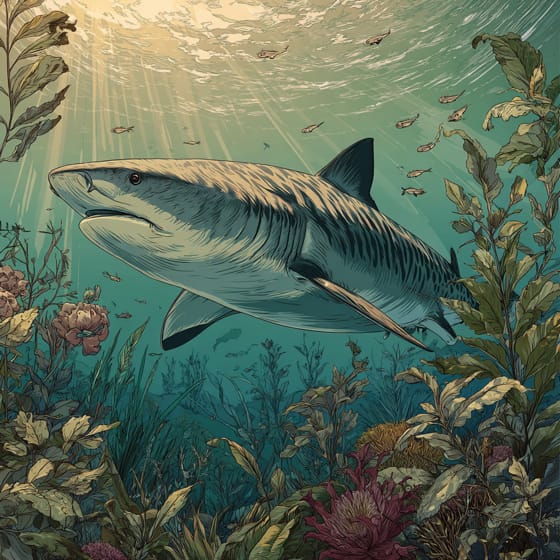
Galeocerdo cuvier
Adults are prey for large sharks.
Aurelia aurita
They feed on various jellyfish species.
Portunus pelagicus
Crabs are a significant part of their diet.
Wildlife encompasses all undomesticated animal and plant life existing in their natural habitats.
This trait characterizes organisms whose diet consists entirely or primarily of plant material.
Coastal habitats are dynamic environments located along the interface between land and sea, influenced by tides, waves, and saltwater.
Armored describes animals protected by a hard, external covering or shell for defense.

Aquatic habitats encompass environments where organisms live predominantly in water, including oceans, rivers, lakes, and wetlands.

Marine habitats encompass all saltwater environments of the Earth's oceans, supporting an immense diversity of aquatic life.

Migratory animals undertake seasonal movements from one region to another, typically in response to changes in climate or food availability.
Danger
2/5 · Low
Look but don’t touch. Keep a safe distance and wash hands after exploring.
The easiest way to identify Olive Ridley Sea Turtle is to use the Snappit nature identifier app.
60-75 cm
35-50 kg
30-50 years
35 km/h
They are carnivores that feast on small sea creatures like crabs, shrimp, and jellyfish found on the ocean floor.
10 km/h
Tropical and subtropical oceans
Zoom in to split clusters and explore where this object has been snapped.
Recent snaps will appear here as new observations are added.
Take the discovery with you
Snap it with Snappit to identify it, learn what makes it special, and add the discovery to your collection.
















