





Spectacled Caiman
Caiman crocodilus
The Spectacled Caiman is named for the cool markings around its eyes! They are friendly and love to swim.
Habitat: Lakes, rivers, and wetlands
The Spectacled Caiman is an olive-green to brownish reptile with a distinctive bony ridge between its eyes, resembling spectacles. Its skin often has dark bands or blotches. It is smaller than many other crocodilians, with a relatively slender snout.
Category
ReptilesRarity
Rare
Danger
2/5 · Low
Snaps
Be the first to snap!
Caimans sometimes hunt in groups, working together to catch food!
Mama caimans carry their babies in their mouths to safety!
They bark, hiss, and bellow to talk to each other, like secret codes!
They can change their skin color slightly to blend in better!
Spectacled Caiman has incredibly strong jaws that help them crush bones of their prey.
Spectacled Caiman can see clearly underwater because of special transparent eyelids.
Spectacled Caiman can replace worn or lost teeth throughout their entire life.
Spectacled Caiman has bumpy, drab skin that helps them perfectly blend with muddy water.
Hungry hunters, they eat fish and small animals from wetlands.
Age differences: Young caimans eat insects and small invertebrates, while adults hunt larger prey.
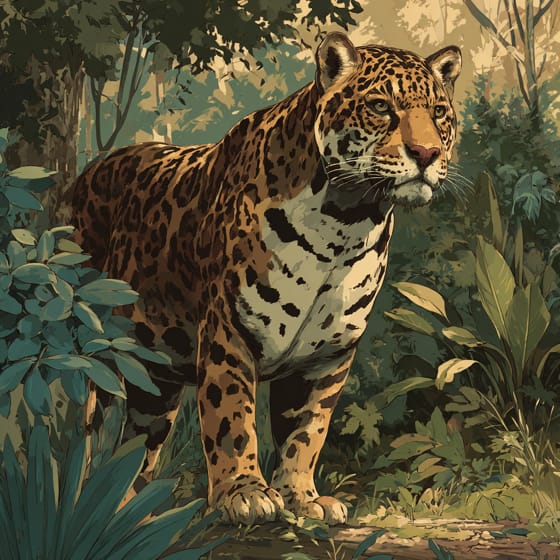
Panthera onca
Adult caimans are prey for jaguars.
Eunectes murinus
Young caimans can be prey for large anacondas.
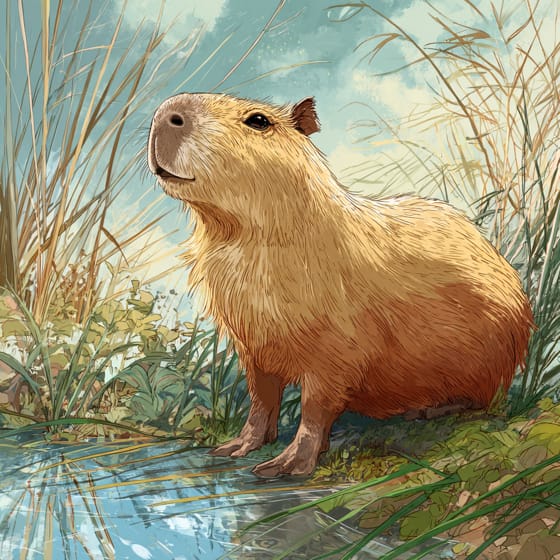
Hydrochoerus hydrochaeris
Adult caimans hunt and eat capybaras.
Piaractus brachypomus
Caimans primarily feed on this common fish.
Cichla ocellaris
Another common fish species in their diet.
Wildlife encompasses all undomesticated animal and plant life existing in their natural habitats.
This trait characterizes organisms with an exceptionally long lifespan compared to others of their kind.
This trait identifies organisms whose diet consists entirely or primarily of animal tissue.
Freshwater habitats include non-saline aquatic environments such as rivers, lakes, ponds, and wetlands, vital for numerous species.

Aquatic habitats encompass environments where organisms live predominantly in water, including oceans, rivers, lakes, and wetlands.

Nocturnal animals are primarily active during the nighttime hours, typically resting or sleeping during the day.
Danger
2/5 · Low
Look but don’t touch. Keep a safe distance and wash hands after exploring.
The easiest way to identify Spectacled Caiman is to use the Snappit nature identifier app.
120-250 cm
15-60 kg
30-40 years
20 km/h
Hungry hunters, they eat fish and small animals from wetlands.
15 km/h
Lakes, rivers, and wetlands
Zoom in to split clusters and explore where this object has been snapped.
Recent snaps will appear here as new observations are added.
Take the discovery with you
Snap it with Snappit to identify it, learn what makes it special, and add the discovery to your collection.

















