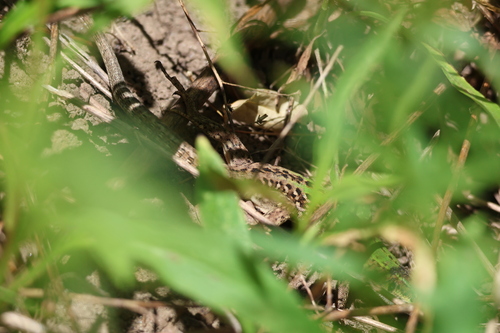
Italian Wall Lizard
Podarcis siculus
The Italian Wall Lizard is a small, colorful lizard that loves to sunbathe on walls. It has a long tail and a friendly appearance.
Habitat: Urban areas and rocky places.
The Italian Wall Lizard has a slender body, often bright green or brown with intricate dark spots and patterns. Males sometimes feature vivid blue patches on their throats and flanks, making them visually distinct. Its tail is long and whip-like, often twice the length of its body.
Category
ReptilesRarity
Common
Danger
2/5 · Low
Snaps
18
Despite their name, these lizards are often found far from walls, exploring gardens and rocky areas!
Italian Wall Lizards were accidentally introduced to the USA and now thrive in places like Cincinnati!
Some male lizards flash bright blue spots on their sides to warn off rivals and attract females!
They use their tongues to 'taste' the air, helping them find prey and sense their surroundings!
Italian Wall Lizard can detach its tail to distract predators, allowing it to escape harm and grow a new one later.
Italian Wall Lizard has dark skin pigments that help it quickly absorb sunlight to warm its body for bursts of speed.
Italian Wall Lizard has specialized scales and claws on its feet that help it grip and climb rough, vertical surfaces.
These quick lizards mostly eat small insects and other tiny creatures they can catch.
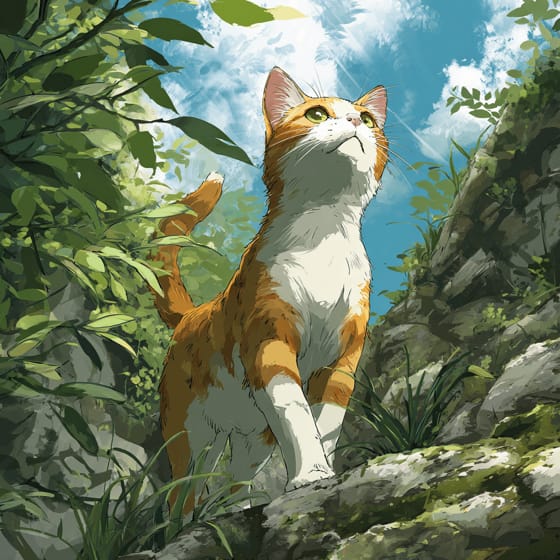
Felis catus
Common predator in urban and suburban environments.
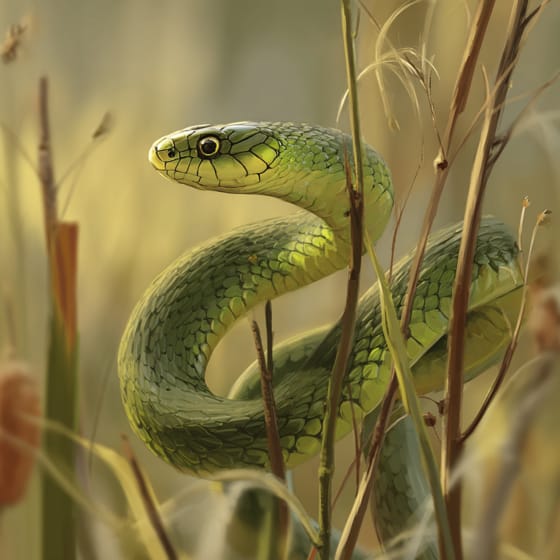
Natrix natrix
Native snake that preys on lizards in their habitat.
Formica rufa
Often preys on various ant species for food.
Falco tinnunculus
A bird of prey that hunts small reptiles.
Wildlife encompasses all undomesticated animal and plant life existing in their natural habitats.
Colorful describes organisms or objects displaying a wide range of bright and distinct colors.
This trait identifies organisms whose diet primarily consists of insects and other small invertebrates.
Diurnal animals are primarily active during daylight hours, typically resting or sleeping at night.

This trait identifies organisms that exhibit exceptional swiftness in movement for hunting, escape, or travel.

This habitat trait indicates species that can coexist with humans in urban and suburban environments, utilizing man-made structures and green spaces.
Danger
2/5 · Low
Look but don’t touch. Keep a safe distance and wash hands after exploring.
The easiest way to identify Italian Wall Lizard is to use the Snappit nature identifier app.
15-25 cm
0.005-0.02 kg
5-7 years
25 km/h
These quick lizards mostly eat small insects and other tiny creatures they can catch.
Urban areas and rocky places.
Ambush
Zoom in to split clusters and explore where this object has been snapped.
May 31, 2026
Albemarle-Kenmore Terraces Historic DistrictPhoto attribution
(c) foxsu, some rights reserved (CC BY)
License: CC BY 4.0 ↗
Image may be shown cropped inside the card frame.

New York, US
You might spot Rock Pigeon, American Robin, and Spotted Lanternfly.
View guide →

New York, US
You might spot Italian Wall Lizard, Black Swallowtail, and American Robin.
View guide →

New York, US
You might spot Common Mugwort, Lesser Celandine, and White Snakeroot.
View guide →

New York, US
You might spot Gorilla, Tiger, and Snow Leopard.
View guide →
.jpg&width=800)
Kansas, US
You might spot Reticulated Giraffe, African Lion, and Tiger.
View guide →

Normandy, FR
You might spot White Tiger, Giraffes, and White Rhinoceros.
View guide →
Take the discovery with you
Snap it with Snappit to identify it, learn what makes it special, and add the discovery to your collection.