


Scottish Fold Cat
Felis catus
The Scottish Fold Cat is a friendly and playful pet with adorable folded ears. They love to cuddle and are great companions for families.
The Scottish Fold Cat has a distinctive appearance, primarily defined by its ears that fold forward and downward, giving its head a rounded, owl-like look. They possess large, round eyes that often match their coat color, which can vary widely from solid colors to various patterns like tabby or bi-color.
Category
MammalsRarity
Common
Danger
1/5 · Very low
Snaps
Be the first to snap!
Scottish Folds aren't born with folded ears; they develop them around three weeks old!
Scottish Folds enjoy watching TV, sometimes even following the action intently!
They often communicate with soft trills and purrs instead of loud meows.
This breed loves to play 'fetch,' surprising many cat owners with their dog-like antics.
Scottish Fold Cat has uniquely folded ears because of a genetic mutation that gives them their signature adorable, rounded head shape.
Scottish Fold Cat can sit upright on its hind legs in a 'Buddha position' that helps them observe surroundings from a unique vantage point.
Scottish Fold Cat has an exceptionally calm and docile temperament that helps them be wonderful, affectionate companions.
These furry friends enjoy a diet of specially formulated cat food to keep them healthy.
Homo sapiens
Provides food, shelter, and companionship.
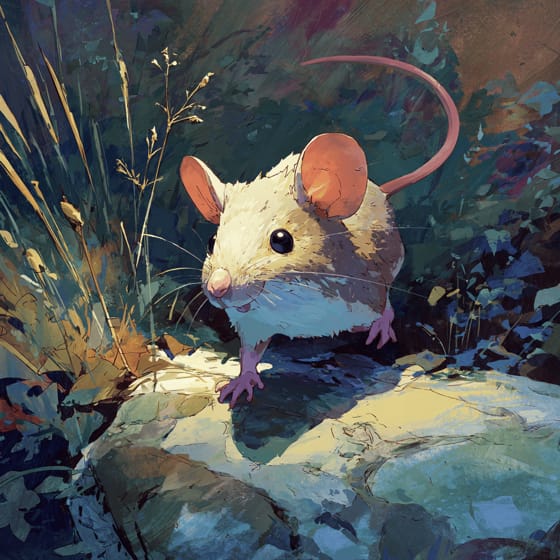
Mus musculus
May hunt small rodents if given outdoor access.
Ctenocephalides felis
Common parasite that feeds on cat's blood.
Wildlife encompasses all undomesticated animal and plant life existing in their natural habitats.
Furry describes animals possessing a dense covering of soft hair or fur.
Possessing prominent sensory hairs or vibrissae, often around the snout.
Social animals live in organized groups, cooperating for survival benefits such as foraging, defense, and raising offspring.

Domesticated refers to species that have been selectively bred and tamed by humans for specific purposes.

This trait identifies organisms whose diet consists entirely or primarily of animal tissue.

This habitat trait indicates species that can coexist with humans in urban and suburban environments, utilizing man-made structures and green spaces.

Nocturnal animals are primarily active during the nighttime hours, typically resting or sleeping during the day.
Danger
1/5 · Very low
Always be gentle and respectful when playing with pets. They love kindness!
30-40 cm
3-6 kg
11-15 years
40 km/h
These furry friends enjoy a diet of specially formulated cat food to keep them healthy.
Null
2-6
63-67 days
Zoom in to split clusters and explore where this object has been snapped.
Recent snaps will appear here as new observations are added.