





Capuchin Monkey
Cebus capucinus
Capuchin monkeys are clever primates known for their playful nature and dexterous hands. They live in the forests of Central and South America, swinging from tree to tree and using tools to find food.
Habitat: Forests
The Capuchin Monkey has mostly dark brown or black fur on its body, arms, and legs. It is strikingly contrasted by creamy-white or yellowish fur on its chest, throat, and around its face, resembling a monk's cowl.
Category
MammalsRarity
Common
Danger
2/5 · Low
Snaps
Be the first to snap!
Capuchin monkeys sometimes rub specific plants like citrus on their fur to repel insects. Wow!
Some Capuchins use large leaves as umbrellas to shield themselves from rain. Wow!
These clever monkeys have been observed 'washing' their food in water before eating it. Wow!
They are among the few non-human primates known to actually fish for food. Wow!
Capuchin Monkeys can use stones to crack nuts and sticks to dig for food, helping them access hidden nutrition.
The Capuchin Monkey has a strong prehensile tail that helps them swing through trees and grasp objects like an extra hand.
Capuchin Monkeys can emit various alarm calls, warning their troop of predators and ensuring group safety.
These clever monkeys eat almost anything, from tasty fruits and insects to small animals.
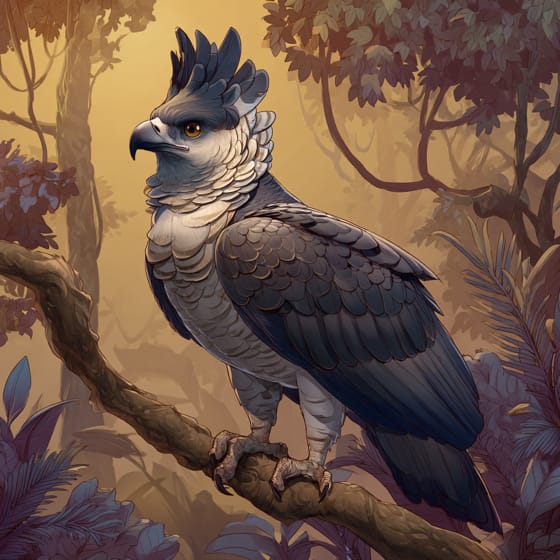
Harpia harpyja
Apex predator that preys on monkeys.
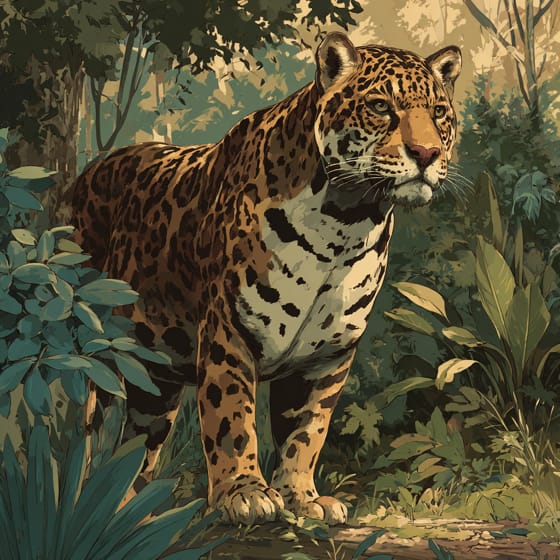
Panthera onca
Large cat that hunts monkeys in forests.
Ficus americana
Monkeys consume figs, dispersing seeds.
Wildlife encompasses all undomesticated animal and plant life existing in their natural habitats.
Furry describes animals possessing a dense covering of soft hair or fur.
Social animals live in organized groups, cooperating for survival benefits such as foraging, defense, and raising offspring.
This trait identifies organisms whose diet includes both plant and animal matter.

Arboreal animals live primarily in trees, utilizing them for shelter, food, and protection from predators.

This trait describes organisms that manipulate external objects to achieve a specific goal.

Forest habitats are terrestrial environments dominated by dense tree cover, supporting a high diversity of plant and animal life.

This habitat trait refers to species found in tropical rainforests, characterized by high annual rainfall, high biodiversity, and dense tree cover.
Danger
2/5 · Low
Capuchin monkeys are wild animals and should be observed from a safe distance in their natural habitat.
The easiest way to identify Capuchin Monkey is to use the Snappit nature identifier app.
30-56 cm
1.3-4 kg
15-25 years
25 km/h
These clever monkeys eat almost anything, from tasty fruits and insects to small animals.
Forests
Foraging
Zoom in to split clusters and explore where this object has been snapped.
Recent snaps will appear here as new observations are added.
Take the discovery with you
Snap it with Snappit to identify it, learn what makes it special, and add the discovery to your collection.






.jpg&width=800)


.JPG&width=800)



.jpg&width=800)
