





Viviparous Lizard
Zootoca vivipara
The Viviparous Lizard is a small lizard that gives birth to live young. It has a smooth body and can often be found in grassy areas.
Habitat: Grasslands and heathlands.
The Viviparous Lizard is a small, slender reptile, typically brown or grey with a prominent dark stripe down its back and often scattered dark spots. Males frequently display a vibrant orange or yellow belly, making them distinct from females and other small lizards.
Category
ReptilesRarity
Common
Danger
2/5 · Low
Snaps
2
Some Viviparous Lizards can surprisingly lay eggs instead of giving live birth!
Their babies are born ready to hunt, not needing any parent care!
This lizard holds the record for being the world's most northern reptile!
When it gets super cold, they produce a special "antifreeze" inside their bodies!
Viviparous Lizard can drop its wiggling tail to escape danger, confusing predators and aiding escape.
Viviparous Lizard can bask in the sun to warm up quickly, helping it stay active even in cooler climates.
These small hunters munch on all sorts of creepy crawlies like insects and spiders!
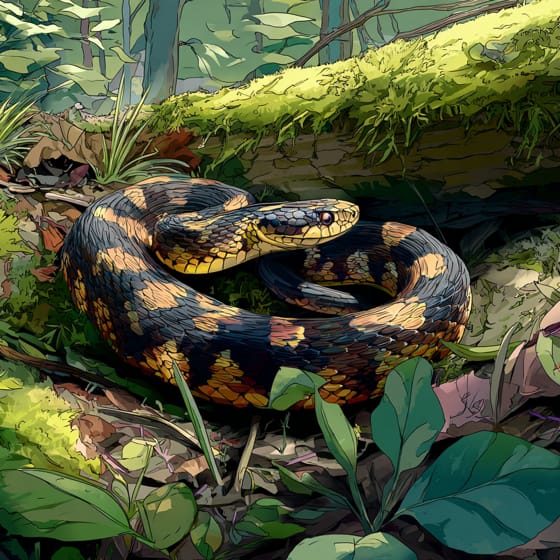
Vipera berus
A common snake predator in its habitat.
Falco tinnunculus
Often preyed upon by this common bird of prey.
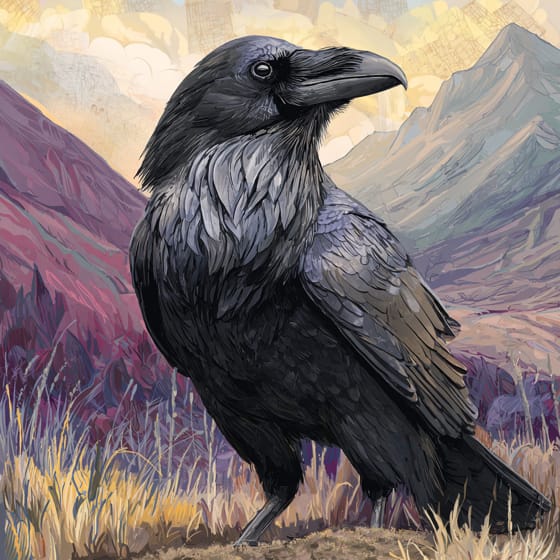
Corvus corax
Ravens are opportunistic hunters that eat lizards.
Wildlife encompasses all undomesticated animal and plant life existing in their natural habitats.
Camouflaged describes organisms that possess coloring or patterns that allow them to blend into their environment.
Colorful describes organisms or objects displaying a wide range of bright and distinct colors.
Grassland habitats are terrestrial biomes dominated by grasses and herbaceous plants, supporting a variety of grazing animals.

This trait identifies organisms whose diet primarily consists of insects and other small invertebrates.

This trait identifies organisms that exhibit exceptional swiftness in movement for hunting, escape, or travel.
Danger
2/5 · Low
Look but don’t touch. Keep a safe distance and wash hands after exploring.
The easiest way to identify Viviparous Lizard is to use the Snappit nature identifier app.
10-18 cm
0.005-0.01 kg
5-10 years
8 km/h
These small hunters munch on all sorts of creepy crawlies like insects and spiders!
Grasslands and heathlands.
Foraging
Zoom in to split clusters and explore where this object has been snapped.
Take the discovery with you
Snap it with Snappit to identify it, learn what makes it special, and add the discovery to your collection.





.jpg)









