





Capybara
Hydrochoerus hydrochaeris
Capybaras are the largest rodents in the world! They are friendly and love to live near water, often seen relaxing by rivers and lakes.
Habitat: Wetlands, rivers, and grasslands
The Capybara is the world's largest rodent, sporting a shaggy, reddish-brown to grey coat. It has a distinctive barrel-shaped body, short legs, and a blunt snout. Its small eyes, nose, and ears are set high on its head.
Category
MammalsRarity
Common
Danger
1/5 · Very low
Snaps
Be the first to snap!
Capybaras often nap underwater, with only their nose peeking out!
It's the world's largest living rodent, bigger than a dog!
Some other animals, like monkeys, ride on their backs for transport!
They communicate using purrs, barks, whistles, and even clicks!
Capybara has partially webbed feet that help them swim gracefully and move easily through soft mud.
Capybara has continuously growing front teeth that help them chew tough grasses and water plants.
These gentle giants eat mostly plants found near water, helping keep habitats tidy.
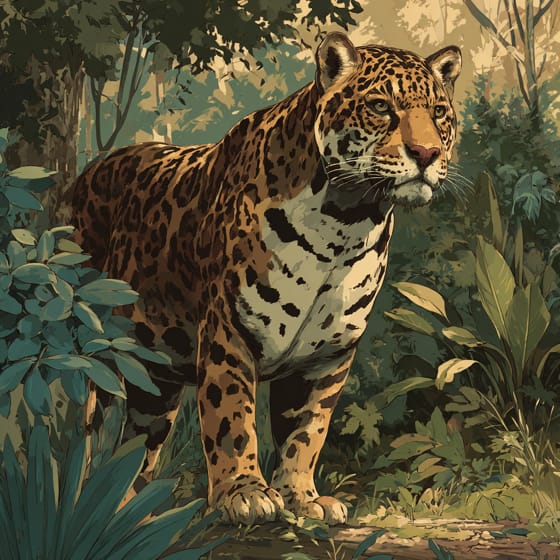
Panthera onca
Major predator, ambushes capybaras near rivers and ponds.
Eunectes murinus
Large snake, preys on capybaras in their aquatic habitat.
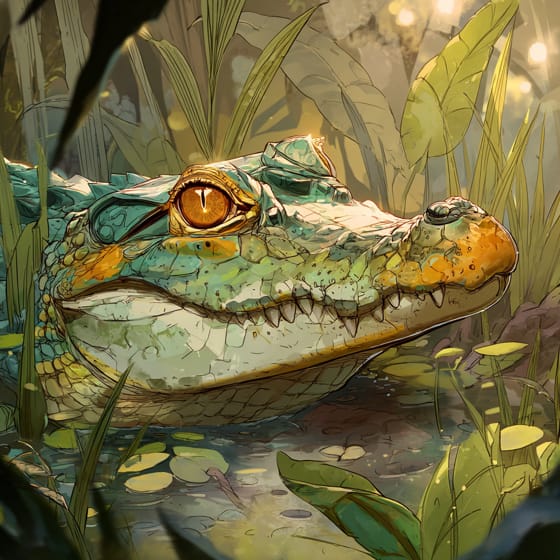
Caiman crocodilus
Aquatic reptile, hunts capybaras that enter the water.
Wildlife encompasses all undomesticated animal and plant life existing in their natural habitats.
Furry describes animals possessing a dense covering of soft hair or fur.
Social animals live in organized groups, cooperating for survival benefits such as foraging, defense, and raising offspring.
This trait characterizes organisms whose diet consists entirely or primarily of plant material.

This habitat trait identifies species found in wetlands, which are areas of land saturated with water, either permanently or seasonally, including marshes, swamps, and bogs.
Danger
1/5 · Very low
Capybaras are friendly animals, but it's best to watch them from a distance in the wild.
The easiest way to identify Capybara is to use the Snappit nature identifier app.
100-130 cm
35-66 kg
6-10 years
35 km/h
These gentle giants eat mostly plants found near water, helping keep habitats tidy.
Wetlands, rivers, and grasslands
Grazing
Zoom in to split clusters and explore where this object has been snapped.
Recent snaps will appear here as new observations are added.

Michigan, US
You might spot African Lion, Komodo Dragon, and Brown Bear.
View guide →
.jpg&width=800)
Ohio, US
You might spot Reticulated Giraffe, Zebra, and American Bison.
View guide →
Florida, US
You might spot Giraffes, Rhinoceroses, and Zebra.
View guide →
New York, US
You might spot Polar Bear, Snow Leopard, and African Lion.
View guide →

Texas, US
You might spot African Elephant, Reticulated Giraffe, and African Lion.
View guide →
New Jersey, US
You might spot African Lion, Snow Leopard, and Reticulated Giraffe.
View guide →
Take the discovery with you
Snap it with Snappit to identify it, learn what makes it special, and add the discovery to your collection.




.jpg&width=800)



.JPG&width=800)


.jpg&width=800)
